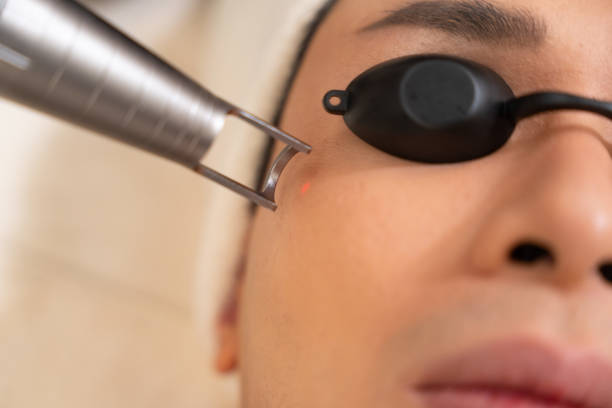
Choosing the right skin rejuvenation treatment begins with understanding your skin concerns, treatment goals, and overall suitability for the procedure. CO2 laser treatment is a resurfacing technique designed to improve the appearance of acne scars, fine lines, sun-damaged skin, and uneven texture by encouraging skin renewal and collagen production. For individuals exploring co2 laser abu dhabi, learning who may benefit most from this treatment can help clarify whether it aligns with their expectations. Although CO2 laser resurfacing can deliver noticeable improvements for suitable candidates, the best results depend on individual skin characteristics, existing concerns, and a professional assessment.
What Makes Someone an Ideal Candidate for CO2 Laser Treatment?
An ideal candidate for CO2 laser treatment is generally someone who wants to improve visible skin imperfections that respond well to resurfacing. These concerns may include acne scars, fine lines, rough texture, and certain signs of sun damage. The treatment works by removing controlled portions of the skin’s outer layers or creating targeted treatment zones, depending on the technique used, while stimulating collagen remodeling.
People who understand that skin improvement happens gradually may be particularly well suited to this procedure. Collagen production takes time, so results typically develop over several weeks and may continue improving for months. Having realistic expectations is essential because the treatment can soften imperfections without necessarily eliminating every scar, line, or irregularity.
Skin condition also matters when determining suitability. Individuals with stable skin and clearly defined textural concerns may be appropriate candidates, while those experiencing active skin problems may need to address those concerns before considering resurfacing. A personalized assessment helps establish whether CO2 laser treatment is suitable for the individual’s skin and desired outcome.
Is CO2 Laser Treatment Suitable for Acne Scars?
Acne scars are among the common concerns that lead people to consider CO2 laser resurfacing. When acne-related inflammation damages the skin’s deeper support structure, the healing process can leave depressions and irregular contours. These changes may remain visible even after active acne has resolved.
CO2 laser treatment can help improve selected types of depressed acne scars by resurfacing the skin and encouraging collagen production. Rolling scars, which create a wavy appearance, and some shallow boxcar scars may respond particularly well to an appropriately selected treatment approach. As collagen remodeling progresses, the skin’s surface may become more even, making scars less noticeable.
However, not every acne scar responds in the same way. Deep, narrow scars and extensive scarring may require additional or alternative procedures to achieve meaningful improvement. Individuals with ongoing inflammatory acne may also need to establish better acne control before resurfacing is considered.
An ideal candidate understands that the goal is usually to reduce scar visibility and improve overall skin texture rather than promise complete scar removal. Evaluating the type, depth, and distribution of scars helps determine the most appropriate approach.
Can People With Fine Lines and Sun Damage Benefit?
CO2 laser treatment may also suit individuals concerned about fine lines, uneven texture, and selected signs of sun-related skin aging. Over time, ultraviolet exposure and natural aging can affect collagen levels, contributing to a less uniform surface, reduced firmness, and visible lines.
Laser resurfacing encourages the renewal of damaged surface skin while stimulating collagen remodeling beneath it. These processes may help soften certain fine lines and create a smoother, more refined appearance. The treatment can be particularly relevant when surface damage and textural irregularities are the main concerns.
The degree of improvement depends on the depth of the lines, the extent of sun damage, and the selected resurfacing technique. Deeper wrinkles or substantial skin laxity may not respond sufficiently to CO2 laser treatment alone.
People considering the procedure should have a clear understanding of what they want to improve. Someone seeking better skin texture and softer fine lines may have different treatment needs from someone primarily concerned about sagging skin or deep facial folds. A professional evaluation can help match expectations with achievable results.
Does Skin Type Affect Eligibility for CO2 Laser Treatment?
Skin type is an important factor when assessing whether CO2 laser treatment is appropriate. Different skin tones can respond differently to resurfacing because the skin’s pigment-producing cells may react to the treatment process in varying ways.
Individuals with lighter skin tones may have a lower likelihood of certain pigment-related complications following some resurfacing procedures. People with medium, olive, or darker skin tones can sometimes undergo CO2 laser treatment as well, but careful assessment and treatment selection are especially important because the risk of unwanted pigmentation changes may be greater.
This does not mean that one skin tone automatically qualifies or disqualifies someone. Suitability depends on the specific skin condition, pigmentation history, treatment intensity, and the professional’s experience with different skin types.
A detailed assessment should consider how the skin has responded to previous treatments and whether pigmentation concerns are already present. Selecting appropriate settings and techniques helps support a treatment plan tailored to the individual’s skin characteristics.
Who Should Wait Before Considering CO2 Laser Resurfacing?
Although many people may benefit from skin resurfacing, timing can influence suitability. Individuals with active acne, an ongoing skin infection, or significant irritation in the intended treatment area may need to resolve these concerns before proceeding.
People with a history of abnormal scar formation, persistent pigmentation problems, or certain skin conditions may also require additional evaluation. These factors do not automatically rule out treatment, but they can influence the choice of procedure and the preparation needed beforehand.
Recent use of certain medications, previous cosmetic procedures, and a history of cold sores around the treatment area may also be relevant during the suitability assessment. Sharing accurate medical and skincare information allows the treating professional to evaluate these considerations before recommending a procedure.
Someone who cannot follow the required preparation and aftercare instructions may not be an ideal candidate at that particular time. Proper skin recovery is an important part of the resurfacing process, and readiness includes understanding the commitment involved.
How Do Fractional and Traditional CO2 Laser Treatments Differ?
The type of CO2 laser technique can influence which individuals are best suited to treatment. Traditional ablative resurfacing treats a broader, continuous area of the skin’s surface and may be considered for more pronounced textural concerns when an intensive approach is appropriate.
Fractional CO2 laser treatment delivers energy through small, targeted columns, leaving surrounding tissue untreated. This approach encourages skin renewal while allowing the untreated areas to support the healing process. It may be considered for selected acne scars, fine lines, and uneven texture.
Neither approach is ideal for everyone. The choice depends on the severity of the skin concern, the desired level of improvement, skin tone, recovery considerations, and overall suitability. Some individuals may benefit from a less intensive technique, while others may require a more comprehensive resurfacing approach.
A professional assessment helps determine which method best matches the skin’s condition and the individual’s expectations. The aim is to select an approach that provides meaningful improvement while accounting for personal skin characteristics.
Final Thoughts
The ideal candidate for CO2 laser treatment is someone with suitable skin concerns, realistic expectations, and an understanding of the gradual nature of skin renewal. Individuals seeking improvement in selected acne scars, fine lines, sun damage, and uneven texture may benefit from this resurfacing procedure.
However, suitability is not determined by one factor alone. Skin tone, current skin condition, scarring patterns, medical history, and the ability to follow treatment instructions all contribute to the decision. A personalized professional assessment is the most reliable way to establish whether CO2 laser resurfacing is appropriate.
When the treatment is carefully matched to the individual’s needs, it may help create a smoother, more refined complexion and reduce the visibility of certain imperfections. Understanding both its potential and its limitations makes it easier to approach skin rejuvenation with informed, realistic expectations.
FAQs
Who is the best candidate for CO2 laser treatment?
Someone with suitable acne scars, fine lines, sun damage, or uneven skin texture who has realistic expectations may be a good candidate.
Can darker skin tones receive CO2 laser treatment?
Some individuals with darker skin tones may be suitable, but careful assessment and treatment selection are important because pigmentation risks can be higher.
Is CO2 laser treatment suitable for active acne?
Active inflammatory acne generally needs to be controlled before resurfacing is considered.
Can CO2 laser treatment remove all acne scars?
It can improve selected scars, but complete removal is not guaranteed, particularly for deeper scars.
How is suitability for CO2 laser treatment determined?
A professional assessment considers skin type, existing concerns, medical history, treatment goals, and individual healing factors.