Introduction
Hair loss can affect personal appearance, confidence, and the way people feel about themselves. It may develop gradually because of genetics, hormonal changes, ageing, or certain medical conditions. For individuals experiencing thinning hair or a receding hairline, a hair transplant can be an option worth considering. Before choosing this procedure, it is important to understand the treatment process, suitability, expected results, and long-term hair care requirements. Anyone considering Hair transplant in Abu Dhabi should learn about the different techniques, understand their individual hair loss pattern, and establish realistic expectations before making a decision. Being well informed helps individuals approach the procedure with greater confidence and make choices that align with their personal needs.
Understanding What a Hair Transplant Involves
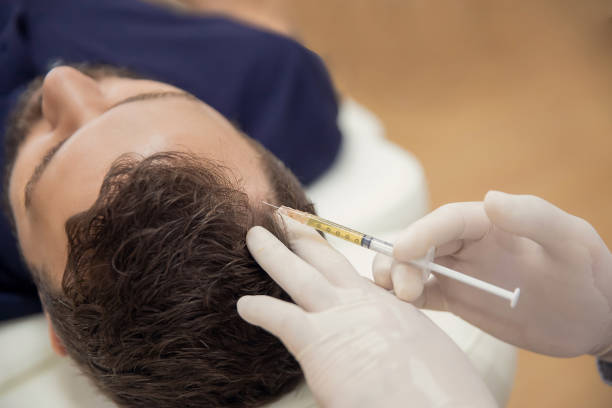
A hair transplant is a surgical procedure that involves moving hair follicles from a donor area to areas affected by thinning or hair loss. The donor area is commonly located at the back or sides of the scalp, where hair follicles may be more resistant to certain forms of hereditary hair loss. The transplanted follicles are placed in carefully selected areas to improve hair coverage and create a natural-looking appearance.
The procedure is designed to redistribute existing hair rather than create new follicles. Therefore, the availability and quality of donor hair play an important role in determining what can be achieved. Understanding this basic principle helps individuals develop realistic expectations regarding hair density, coverage, and the overall appearance of the results.
Different Hair Transplant Techniques
Two commonly used hair transplant techniques are Follicular Unit Extraction, known as FUE, and Follicular Unit Transplantation, known as FUT. Each method involves a different approach to collecting hair follicles, and the appropriate option depends on individual circumstances.
FUE involves extracting individual follicular units from the donor area before placing them into the areas experiencing hair loss. This method generally leaves small extraction marks rather than a single linear scar. It may be considered by individuals who prefer shorter hairstyles, although the suitability of the technique depends on several factors.
FUT involves removing a strip of scalp from the donor area and separating it into individual follicular units for transplantation. This approach usually leaves a linear scar in the donor region. It may be suitable for certain individuals depending on their donor hair characteristics and treatment goals.
Neither technique is automatically the best choice for everyone. A professional assessment can help determine which approach is appropriate based on hair density, scalp condition, the extent of hair loss, and personal preferences.
Assessing Your Suitability for the Procedure
Not every person experiencing hair loss is an ideal candidate for a hair transplant. Suitability depends on several factors, including age, the cause of hair loss, the stability of the hair loss pattern, and the availability of healthy donor follicles.
Individuals with hereditary hair loss may be considered suitable when sufficient donor hair is available. However, people experiencing sudden or unexplained hair loss may need further evaluation before considering a surgical procedure. Conditions that affect the scalp or cause widespread hair thinning may also influence treatment decisions.
Age is another important consideration. Hair loss can continue to progress over time, particularly in younger individuals. Planning a transplant too early without considering future hair loss may affect the balance between transplanted hair and surrounding natural hair. A qualified professional can evaluate these factors and discuss whether the procedure is appropriate.
The Importance of a Detailed Consultation
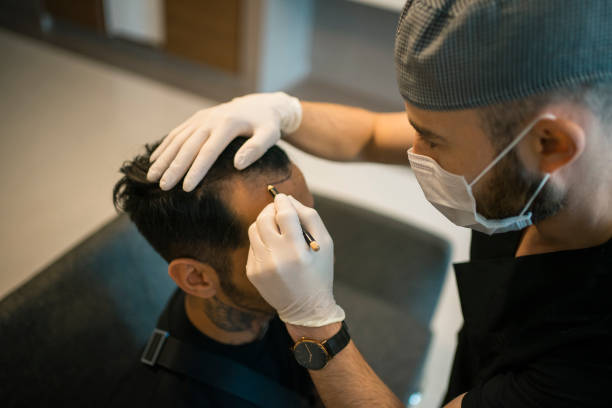
A consultation is an essential step before undergoing a hair transplant. During this appointment, the scalp, hairline, donor area, and pattern of hair loss are evaluated. The assessment may also include a review of medical history, family history of hair loss, and previous treatments.
This discussion provides an opportunity to explain personal concerns and desired outcomes. Some individuals may want to restore a receding hairline, while others may be more concerned about thinning at the crown or reduced density across the scalp.
The professional assessment should establish realistic treatment goals and explain the limitations of the available donor hair. It should also clarify which areas can be treated and whether additional sessions might be considered in the future. Asking questions during the consultation helps individuals understand the procedure and make an informed decision.
Setting Realistic Expectations About Results
One of the most important things to understand before a hair transplant is that results develop gradually. Transplanted hair does not usually produce immediate visible coverage. The healing process and the natural hair growth cycle determine how the results appear over time.
Some transplanted hairs may shed during the early stages after the procedure. This can be a normal part of the process, as the follicles may remain in place while new hair growth develops later. Visible growth often begins after several months, with improvement continuing as the hair becomes longer and thicker.
The final appearance varies between individuals. Factors such as donor hair quality, follicle characteristics, the extent of hair loss, and the number of grafts used can influence the outcome. A transplant can improve coverage, but it may not recreate the exact density or hairline a person had earlier in life.
Preparing for the Hair Transplant Procedure
Preparation begins with following the instructions provided during the consultation. Individuals should disclose their medical history and inform the treating professional about any medicines, supplements, allergies, or existing health conditions. This information helps the professional plan the procedure appropriately.
Specific instructions may be provided regarding scalp care, hair washing, smoking, alcohol consumption, and the use of certain medications. These recommendations should be followed carefully rather than replaced with general advice from unrelated sources.
It is also helpful to plan the recovery period in advance. Individuals may need time away from work or regular activities, depending on the procedure and the nature of their daily responsibilities. Arranging suitable transportation and understanding the aftercare schedule can make the overall experience more manageable.
Understanding Recovery and Aftercare
Aftercare is an important part of the hair transplant process. The scalp needs time to heal, and the newly transplanted follicles require careful handling during the initial recovery period. Instructions may cover washing the scalp, sleeping positions, physical activity, and avoiding pressure or friction around the treated areas.
Temporary redness, swelling, tenderness, or small scabs may occur during recovery. The duration and intensity of these changes vary between individuals. Following the recommended care instructions helps support healing and protects the transplanted area.
Strenuous exercise and activities that cause excessive sweating may need to be restricted for a period determined by the treating professional. Individuals should also attend any recommended follow-up appointments so that healing and hair growth can be assessed.
Considering Future Hair Loss
A hair transplant does not prevent untreated natural hair from thinning in the future. Although transplanted follicles may retain characteristics associated with their donor area, the surrounding hair can continue to be affected by hereditary hair loss.
This is particularly important when planning a hairline restoration or treating early hair thinning. A design that looks balanced initially may appear different if the natural hair behind the transplanted area continues to recede. For this reason, long-term planning should be part of the consultation.
A professional may discuss suitable approaches to managing ongoing hair loss and preserving a natural-looking appearance over time. Understanding these possibilities before treatment helps individuals make decisions that account for both present concerns and future changes.
Choosing an Appropriate Treatment Provider
Selecting a qualified and experienced professional is an important part of the decision-making process. Individuals should confirm the provider’s relevant qualifications, experience with hair restoration procedures, and the standards followed for patient assessment and care.
It is also important to understand who will perform the different stages of the procedure, how donor hair will be evaluated, and what follow-up support will be available. Clear communication about the proposed technique, expected coverage, limitations, and aftercare can help individuals feel more prepared.
Rather than making a decision based only on photographs or promotional claims, individuals should seek a thorough assessment that addresses their specific hair loss pattern and treatment goals.
Conclusion
Understanding the procedure, evaluating personal suitability, and establishing realistic expectations are essential before getting a hair transplant. The choice of technique, quality of donor hair, recovery requirements, and possibility of future hair loss can all influence the overall experience. A detailed consultation with a qualified professional helps clarify these considerations and supports informed decision-making. With appropriate planning and consistent aftercare, individuals can better understand what the procedure may achieve and whether it aligns with their long-term hair restoration goals.
Frequently Asked Questions
Is a hair transplant suitable for everyone?
No, suitability depends on the cause and extent of hair loss, donor hair availability, scalp health, and individual medical circumstances. A professional assessment is necessary to determine whether the procedure is appropriate.
How long does it take to see hair transplant results?
Visible growth often begins after several months, while fuller results may take around nine to twelve months or longer, depending on the individual and the treated area.
Does a hair transplant provide permanent results?
Transplanted follicles can provide long-lasting hair growth, but natural hair surrounding the transplanted area may continue to thin. Future hair loss should be considered during treatment planning.
What is the difference between FUE and FUT?
FUE involves extracting individual follicular units, whereas FUT involves removing a strip of scalp and separating it into follicular units. The appropriate method depends on donor hair characteristics and individual treatment goals.
Is recovery important after a hair transplant?
Yes, following aftercare instructions is important for proper healing and protecting the transplanted follicles. Individuals should follow the guidance provided by their treating professional throughout recovery.
Can a hair transplant restore the original hair density?
A hair transplant can improve coverage and create a fuller appearance, but it may not reproduce the original hair density. The final outcome depends on donor hair availability, the extent of hair loss, and individual hair characteristics.
What should I ask during a hair transplant consultation?
Individuals should ask about their suitability, the recommended technique, expected coverage, donor hair limitations, recovery requirements, future hair loss, and the professional’s experience with the procedure.