
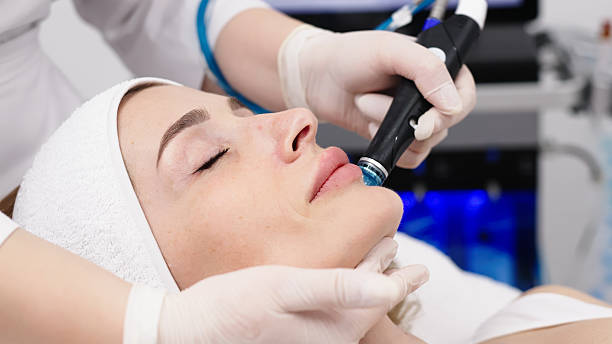
Rough skin texture can make the complexion feel uneven, look dull, or appear less smooth under makeup. For people exploring professional facial treatments, HydraFacial in Abu Dhabi may be an option to discuss with a qualified skincare professional. Its cleansing and exfoliation steps are designed to remove surface buildup and leave skin feeling refreshed, though results vary with skin type, concerns, and treatment settings.
What Rough Skin Texture Can Look Like
Roughness may feel like small bumps, dry patches, or an uneven surface. It can be associated with dead skin-cell buildup, dryness, excess oil, clogged pores, or changes in the skin’s natural renewal process. Sometimes, what feels like texture is actually irritation or a skin condition that needs a different approach.
A facial may help improve the appearance of mild surface roughness, but it cannot address every cause. A professional assessment can help distinguish between temporary buildup and concerns that may need tailored care.
How HydraFacial Works
HydraFacial is a professional facial treatment that typically combines cleansing, exfoliation, pore-focused extraction, and hydration. A handheld device moves across the skin, while different treatment steps are selected according to the person’s needs and the provider’s approach.
Cleansing and Exfoliation
The treatment begins by cleansing the skin and loosening surface debris. Gentle exfoliation then helps lift dead skin cells that may contribute to a dull or uneven feel. This step is intended to refresh the skin’s surface rather than replace a broader skincare plan.
Pore-Focused Extraction
A device-assisted process may help clear visible pore congestion. Removing some surface buildup can make skin feel smoother, especially when roughness is linked to clogged pores. The degree of improvement depends on the skin and the treatment plan.
Hydration
The final stages focus on leaving the skin hydrated and comfortable. Hydration can make the surface feel softer and appear more supple. It may also help reduce the dry, tight feeling that can make texture seem more noticeable.
Can It Help With Rough Skin?
HydraFacial may help with mild roughness caused by surface buildup or dehydration. After a session, some people notice that their skin feels cleaner, smoother, and more refreshed. The visible effect may be temporary, and one treatment may not create a lasting change in texture.
The treatment is not a universal solution for persistent bumps, deep scarring, pronounced discoloration, or an ongoing skin condition. Those concerns may require a different evaluation and a plan suited to their cause. A skincare professional can explain whether a facial is appropriate and set realistic expectations.
What Can Affect the Results?
Several factors influence how skin responds. These include the person’s skin type, current sensitivity, the reason for the roughness, and the treatment settings used. Recent exfoliation or other active skincare treatments may also affect how the skin should be approached.
Consistency in everyday skin care can matter as much as a single facial. Gentle cleansing, suitable moisturization, and sun protection can support the skin’s surface over time. A professional can help shape a routine without recommending steps that do not suit the individual.
Is HydraFacial Suitable for Every Skin Type?
Many people seek HydraFacial because its steps can be adjusted, but that does not mean it is right for everyone in every situation. Skin that is actively irritated, unusually sensitive, or affected by an unresolved condition may need a different plan or a pause before treatment.
Before booking, a person can share relevant skin concerns, sensitivities, and recent procedures with the provider. The provider can then discuss the treatment approach, possible limitations, and whether another option would be more suitable. Honest communication helps keep expectations clear.
What to Expect During a Session
A session usually starts with a conversation about the person’s skin and goals. The provider examines the skin, explains the planned steps, and adjusts the approach as needed. The treatment itself is generally designed to feel like a series of cleansing and exfoliating passes.
Afterward, the skin may look fresher and feel more hydrated. The outcome is not identical for everyone, and it should not be treated as a guarantee of permanently smooth skin. Any questions about the process or suitability can be raised before the session begins.
How to Support Smoother-Looking Skin
A facial can be one part of a broader approach to skin texture. A simple, consistent routine may help maintain comfort and support a smoother appearance between professional treatments. It is usually helpful to avoid adding several unfamiliar skincare steps at once, especially when the skin is sensitive.
A qualified skincare professional can recommend a routine based on the person’s skin rather than a general trend. If roughness persists, worsens, or comes with discomfort, professional guidance can help identify whether a facial is appropriate or whether another assessment is needed.
Frequently Asked Questions
How soon might the skin feel smoother?
Some people notice a softer or fresher feel after a session, particularly when surface buildup or dryness contributes to roughness. The timing and degree of change vary, and the result may not last equally for everyone.
Can one session address long-standing texture concerns?
One session may improve the feel or appearance of mild surface roughness, but long-standing concerns may have more than one cause. A provider can discuss whether a series of treatments or a different approach is more appropriate without promising a particular outcome.
Is HydraFacial a substitute for a skincare routine?
No. A facial can complement everyday care, but it does not replace a routine suited to the person’s skin. Gentle cleansing, appropriate hydration, and sun protection can help support the complexion between treatments.
How can someone decide whether to try it?
The person can consider what is causing the roughness, how sensitive the skin is, and what outcome they expect. A consultation with a qualified provider can clarify suitability and help determine whether HydraFacial is a reasonable option.
Final Thoughts
HydraFacial may help improve mild rough skin texture by combining cleansing, exfoliation, pore-focused extraction, and hydration. It can leave the skin feeling smoother and looking refreshed, but results are individual and may be temporary. For persistent or unexplained texture concerns, professional guidance can help identify the right next step and set realistic expectations.
