Introduction
Skin can gradually develop concerns such as uneven texture, dullness, visible pores, pigmentation, and a lack of radiance. Chemical peels are a popular approach for refreshing the surface of the skin and supporting a smoother, more balanced appearance. When considering Chemical Peels in Abu Dhabi, the appropriate frequency depends on the skin’s condition, the type of peel selected, and the overall goals of treatment. A personalized approach can help determine how often a peel may fit into an ongoing skincare routine while allowing the skin enough time to renew between sessions.
Understanding Chemical Peels
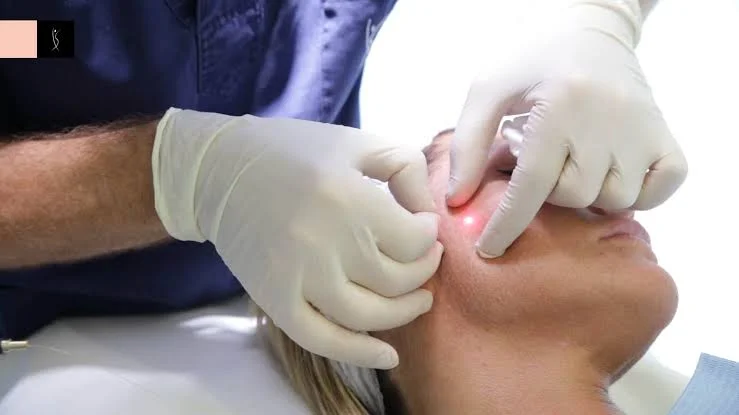
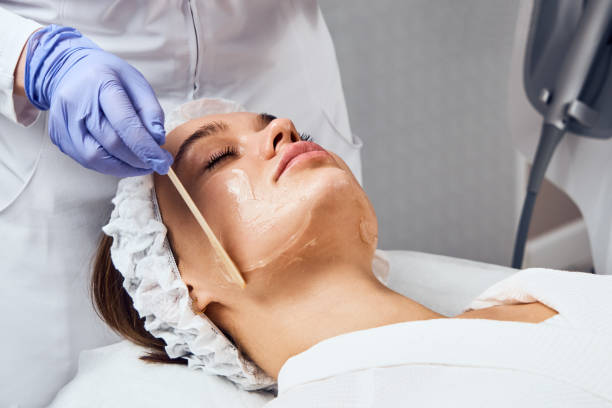
Chemical peels involve applying a carefully selected solution to the skin to encourage the removal of accumulated surface cells. This process can support skin renewal and reveal a fresher-looking layer beneath the treated surface. Different formulations can be selected according to individual skin characteristics and the desired level of rejuvenation.
Some peels are designed to work primarily on the outermost layer of the skin, while others reach deeper layers. The strength and formulation influence the recommended interval between treatments. Because skin responds differently depending on its condition, treatment frequency should be determined according to individual needs rather than following a fixed schedule.
Why Treatment Frequency Matters
The skin needs sufficient time to complete its natural renewal process after a chemical peel. Scheduling treatments too close together may not provide the skin with adequate time to settle and recover. Allowing an appropriate interval can support a more consistent approach to skin rejuvenation.
Treatment frequency may also change as the skin’s condition improves. Someone initially seeking help for uneven texture or pigmentation may have a different treatment schedule from someone focusing mainly on maintaining an already refreshed appearance. Regular assessment can help determine when another session may be appropriate.
How Often Are Chemical Peels Usually Considered?
The frequency of chemical peels varies according to the formulation and treatment intensity. Superficial peels are generally considered more suitable for repeated skin-refreshing treatments because they primarily target the outer layers. Depending on the individual’s skin and treatment plan, sessions may be spaced several weeks apart.
Medium-depth treatments generally require a longer interval because they affect deeper layers of the skin. The exact timing should be determined after evaluating the skin’s response and the desired outcome. Deeper treatments are typically considered less frequently because the skin requires more time between sessions.
There is no universal schedule that works for every person. Factors such as skin sensitivity, pigmentation concerns, texture, previous treatments, and the selected peel all contribute to the recommended interval.
Factors That Influence Peel Frequency
Skin type is one of the most important considerations when determining how often chemical peels may be appropriate. Skin that is more sensitive may require longer intervals, while skin that tolerates superficial treatments well may be suitable for a more regular schedule.
The specific concern being addressed also matters. Individuals focusing on dullness and general skin renewal may follow a different schedule from those seeking improvement in pigmentation or uneven texture. The concentration and type of peeling solution also influence how frequently sessions can be considered.
Previous skincare treatments can also affect timing. Allowing adequate space between different procedures helps create a more organized skincare plan and avoids placing unnecessary demands on the skin.
Chemical Peels for Dull Skin
Dull-looking skin can develop when dead surface cells accumulate and the natural renewal process becomes less noticeable. Chemical peels can help refresh the skin’s surface and promote a brighter-looking complexion.
For this purpose, lighter treatments may be incorporated into a broader skincare routine at intervals recommended according to individual skin characteristics. Maintaining appropriate spacing between sessions can support gradual improvements rather than relying on overly frequent treatments.
Chemical Peels for Uneven Skin Texture
Uneven texture can make the skin appear rough or less refined. Chemical peels can encourage surface renewal, helping create a smoother and more even-looking appearance.
The frequency for texture-focused treatments depends on how pronounced the concern is and how the skin responds after each session. A consistent schedule with sufficient intervals can help support progressive skin refinement.
Chemical Peels for Pigmentation Concerns
Uneven pigmentation can appear as areas of darker coloration across different parts of the face or body. Chemical peels may be included in a professional skincare plan designed to improve the appearance of uneven pigmentation and promote a more uniform complexion.
Treatment intervals should be selected carefully because pigmentation concerns can vary significantly between individuals. The type of peel, skin characteristics, and overall treatment objectives all influence how frequently sessions may be considered.
Maintaining Results With Chemical Peels
Once the desired level of improvement has been achieved, chemical peels may sometimes be used as part of a maintenance approach. Maintenance sessions are generally less frequent than an initial treatment series because the focus shifts from active improvement to supporting the appearance that has already been achieved.
The timing of maintenance treatments can be adjusted according to changes in skin texture, radiance, pigmentation, and overall appearance. Regular professional evaluation can help establish whether another session is appropriate or whether the skin would benefit from additional time between treatments.
Recognizing When Your Skin May Need More Time
Changes in the skin following a peel can provide useful information when determining the timing of another treatment. If the skin has not fully returned to its usual condition, additional time may be appropriate before another session is considered.
A personalized assessment is especially useful for people who have recently undergone other aesthetic skin treatments. Coordinating treatments according to the skin’s current condition can help create a more balanced rejuvenation plan.
Building a Consistent Skin Rejuvenation Routine
Chemical peels can be incorporated into a broader approach to maintaining healthy-looking skin. The goal is not necessarily to receive treatments as frequently as possible but to establish an interval that matches the skin’s needs.
A consistent routine can focus on gradual improvement in texture, brightness, smoothness, and overall appearance. Periodic reassessment allows the treatment plan to evolve as the skin changes over time.
Why Personalized Timing Is Important
Every person’s skin has different characteristics and responds differently to professional treatments. Factors such as age, skin condition, sensitivity, pigmentation patterns, treatment history, and aesthetic goals can all influence the ideal timing.
For this reason, a professional skin assessment is valuable before establishing a recurring chemical peel schedule. Rather than following a general calendar, the treatment interval can be adjusted according to the individual’s response and objectives.
What to Expect From a Long-Term Chemical Peel Plan
A long-term approach generally focuses on gradual skin renewal rather than immediate transformation. With appropriately spaced treatments, chemical peels may contribute to a smoother texture, refreshed appearance, and more even-looking complexion.
The number of sessions and timing between them can change over time. Some people may require occasional treatments for maintenance, while others may benefit from a more structured series during periods when specific skin concerns are more noticeable.
Conclusion
The ideal frequency for chemical peels depends on the type of peel, skin condition, treatment goals, and individual response. Superficial treatments may be considered at shorter intervals, while stronger treatments generally require more time between sessions. Instead of following a fixed schedule, professional assessment can help determine when the skin is ready for another treatment. With appropriate spacing and a personalized approach, chemical peels can become part of a structured skin-rejuvenation routine focused on smoother texture, improved radiance, and a more balanced appearance.
Frequently Asked Questions
How often can chemical peels be considered?
The frequency depends on the type of peel and individual skin characteristics. Lighter treatments may be scheduled more regularly, while deeper treatments generally require longer intervals.
Can chemical peels be used regularly for skin maintenance?
Yes, chemical peels may be incorporated into a maintenance routine when appropriate. The schedule should be adjusted according to the skin’s condition and previous treatment response.
Does the type of chemical peel affect treatment frequency?
Yes. Different peels vary in strength and depth, so the recommended interval can differ considerably between superficial, medium-depth, and deeper treatments.
Are chemical peels suitable for improving skin texture?
Chemical peels can support surface renewal and may help create a smoother-looking skin texture. The appropriate treatment type and frequency depend on the individual concern.
Can chemical peels help improve dull-looking skin?
They can help refresh the skin’s surface and promote a brighter-looking complexion by encouraging the removal of accumulated surface cells.
How is the timing between chemical peels determined?
Timing is based on factors such as skin type, treatment strength, skin response, previous procedures, and the intended skincare goal.
Should the same chemical peel schedule be followed throughout the year?
Not necessarily. Skin needs and conditions can change, so the treatment schedule may be adjusted over time according to professional assessment and treatment response.