Good sexual health is often associated with physical and emotional wellness. Many medical issues may also affect the blood flow, nerves, hormones or mood, and could impact the functioning of sexual organs. Such knowledge may be useful to be able to detect possible underlying worries and also to reach the proper medical advice.
Overall health and sexual functioning are related.
Normal sexual responses require healthy blood vessels, nerves, hormone balance and an emotional balance. A health issue that impacts one or more of these systems can make it more challenging to obtain and/or keep an erection.
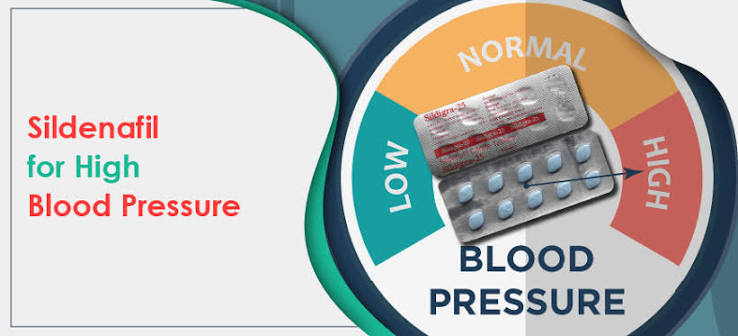
The cardiovascular system and conditions that affect it require special focus. If blood pressure is high, or blood cholesterol is too high, and the arteries become narrowed and clogged, this can cause low blood flow to other parts of the body. An erection relies on good blood flow, so decreased blood flow can get involved with normal sexual functioning.
Diabetes and Sexual Health
Diabetes may cause Erectile Dysfunction in various ways. High blood sugar can cause blood vessels and nerves to become damaged over time. These changes can cause a loss of sensitivity, and contribute to problems with signals needed for an erection.
Some people with poor control of diabetes may also get circulation problems. Restricting blood-sugar levels, eating a balanced diet, exercising regularly and making routine health visits can help to maintain good ship and steering health.
Heart and Blood Vessel Conditions
Cardiovascular system is an important part of sexual performance. Blood vessels may not be as flexible and circulation may also be restricted by other health issues like high blood pressure, coronary artery disease, and more.
Sometimes, sex dysfunction happens before other apparent heart issues. Therefore it is important that any ongoing problems should not be regarded as merely “a sexual issue. A health care provider can assess blood pressure, cholesterol, heart health, and lifestyle factors and other factors that may contribute.
Hormonal Changes
Hormones affect sexuality too. Testosterone plays a role in male love-making desire and a few other reproductive area of the body. Low testosterone can lead to decreased libido, fatigue, moodiness and poor sexual performance.
Other effects of thyroid disorders include on reproductive function, metabolism and mood and energy. If hormonal symptoms are present with sexual symptoms, a medical test can be helpful to determine if hormonal imbalance is responsible.
Neurological Conditions
Communication between the brain and various parts of the body is regulated by the nervous system. Neurogenic conditions can thus impact sexual sensitivity.As a result, nerves can impact sexual response.
Other disorders, such as multiple sclerosis, Parkinson’s disease, spinal injuries, and some types of nerve damage can disrupt the signals needed for sexual arousal and erection. Diabetes neuropathy can have similar symptoms.
Treatment is dependent on underlying neurological disorder. Medications, rehabilitation, lifestyle adjustments or other methods may be used depending on individual needs.
Mental Health & Emotional Factors
Physical conditions are not all contributing. Stress, anxiety, depression, problems with relationships and poor sleep can impact on sexual performance.
Anxiety can lead to a vicious cycle: thinking about wanting to perform well enough compromises performance, which causes further anxiety. Feeling depressed may decrease a person’s motivation and sex drive, and ongoing stress can disrupt sleep, hormones, and energy levels.
Identifying and treating emotionally charged well-being may thus comprise an integral component to better sexual health. Health advice including counseling, stress management, regular exercise, and a proper professional support can assist.
Medications and lifestyle factors are the two the most important issues to consider.
Certain prescription drugs may have a side effect on sexual function. Some drugs prescribed for high blood pressure, depression or other long-term conditions can also have a negative impact on libido or sexual function for some people.
Lifestyle factors play a part as well. Certain activities, like smoking, excessive drinking, a lack of activity, poor diet and obesity can have a detrimental impact on circulation and overall health. Strengthening them can help the heart stay healthy, and can help the heart’s performance in the bedroom.
Individuals are expected to not discontinue their prescription without consulting their physician. Your doctor will be able to tell if medicine makes your symptoms worse, and will flesh out other, safer options if they are available.
When to seek advice from a doctor?
Stress or fatigue, alcohol and temporary emotional factors can cause occasional problems. Recurring issues, though, should be seen as an indicator that medical attention is needed, especially if any of the following is present, whether diabetes, high blood pressure, heart disease, hormonal changes or neurologic symptoms.
A health care professional can review medical history, medications, lifestyle habits and symptoms. They may suggest blood tests or other tests, depending on the patient’s condition, that will help pinpoint the cause.
Promoting Better Sexual and General Health
A healthy lifestyle can help promote sexual health. Circulatory and metabolic benefits can be gained from regular exercise, good dietary habits, adequate bedtime routines, stress management, not smoking, and limiting alcohol intake.
Taking care of current illness is important, too. Treatment plans and regular checkups help avoid complications which could interfere with sexual function.
Conclusion
Often Erectile Dysfunction symptoms are symptoms of a larger health concern that is not necessarily an isolated problem. Sexual function may be affected by cardiovascular disease, diabetes, hormonal disorders, neurological disorders, medications and emotional disorders. Accessing and addressing the root cause will help improve sexual health and health in general.
People should talk to a trained health care provider about any symptoms that don’t go away. If evaluated early, factors contributing to the development can be identified, and an appropriate treatment course can be started.