Facial shape can gradually change as skin loses firmness, soft tissues shift, and excess fat becomes more noticeable in certain areas. These changes may affect the definition of the cheeks, jawline, chin, and lower face. For people looking for a treatment-focused approach to improving facial contours, Endolift in Abu Dhabi is designed to work beneath the skin using a minimally invasive laser-based technique.
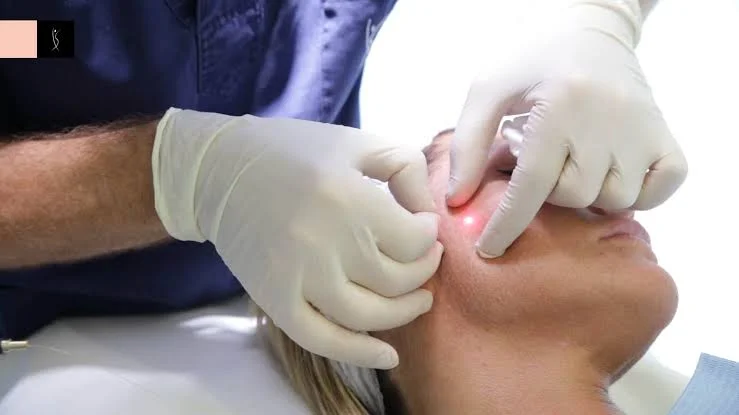
Endolift uses a very fine optical fiber placed beneath the skin to deliver controlled laser energy to targeted areas. The energy is intended to encourage tissue contraction, support collagen activity, and help address localized areas where excess fat may affect facial definition. By working on specific regions rather than changing the entire face, the treatment can contribute to a more refined and balanced appearance.
How Does Endolift Work on Face Shape?
Endolift works by delivering laser energy through a small fiber positioned beneath the skin. The energy interacts with the targeted tissue and can support skin tightening while helping address localized fat deposits. This combination is important when facial fullness and reduced skin firmness are contributing to a less defined appearance.
The treatment can be customized according to the areas being addressed. Depending on individual facial structure, attention may be given to the jawline, chin, cheeks, or lower face. The objective is not to create an entirely different facial appearance but to improve the relationship between these features.
As the treated tissue responds, the skin may gradually appear firmer and the contours may become more noticeable. Collagen-related changes can also develop progressively, meaning facial definition may continue to evolve after treatment.
Can Endolift Improve Jawline Definition?
A less defined jawline can occur when the lower face has excess fullness or when the skin becomes less firm. Endolift may help improve this area by combining targeted laser energy with tissue-tightening effects.
When localized fat beneath the jawline contributes to a softer contour, the treatment can be directed toward that region. At the same time, the laser energy may encourage contraction of surrounding tissue. This can help create a more structured transition between the jaw, chin, and neck.
The degree of definition depends on factors such as existing facial anatomy, skin condition, and the amount of tissue being addressed. A properly targeted treatment aims for an appearance that remains consistent with the person’s natural facial proportions.
How Can Endolift Help Define the Chin?
The chin plays an important role in overall facial balance. When the area beneath or around the chin appears fuller, the distinction between the chin and jawline can become less visible.
Endolift can be used to target selected areas around the lower face where localized fullness or reduced firmness affects facial shape. By addressing these concerns beneath the skin, the treatment may help create a cleaner transition around the chin and jaw.
Improving this relationship can make the lower face appear more structured. Rather than focusing on the chin alone, treatment planning considers how the chin connects visually with the cheeks, jawline, and neck.
Does Endolift Address Facial Fullness?
Facial fullness can influence how broad, rounded, or soft the face appears. Endolift’s laser energy can be directed toward localized areas where excess fat contributes to this appearance.
The treatment is not intended as a general weight-loss procedure. Instead, it focuses on selected areas where localized tissue may affect facial contours. This makes treatment planning particularly important because excessive reduction in one region could alter natural facial balance.
By focusing on specific areas, Endolift may help create greater distinction between facial features while maintaining the overall proportions of the face.
How Does Endolift Support Skin Tightening?
Skin firmness is closely connected with facial shape. Even when there is not significant excess fat, reduced elasticity can make the cheeks, jawline, and lower face appear less defined.
Endolift delivers laser energy beneath the skin, where it can stimulate tissue contraction and support collagen remodeling. Over time, these processes may contribute to a firmer-looking surface.
Improved firmness can complement changes in facial contour. When the skin follows the underlying facial structure more closely, areas such as the jawline and lower cheeks may appear more defined.
Can Endolift Improve Cheek Contours?
The cheeks contribute significantly to the overall shape of the face. Changes in soft tissue volume and skin firmness can make the cheek area appear heavier or less structured.
Endolift can be considered when localized fullness or skin laxity in the cheek region affects facial definition. Targeted treatment may help improve the appearance of the area while supporting a smoother relationship between the cheeks and lower face.
Because facial proportions differ from person to person, treatment should be planned according to the existing structure. The goal is generally to enhance contour rather than dramatically reduce facial volume.
What Happens to Face Shape After Endolift?
Changes in facial shape may develop gradually rather than appearing all at once. The immediate response can include some visible tightening, while longer-term tissue remodeling may continue to influence the appearance of treated areas.
As collagen-related changes develop, the skin may look firmer and facial contours may become more apparent. If localized fullness was contributing to a rounded or less defined appearance, addressing that tissue can further enhance the visible shape.
The final appearance depends on the individual’s anatomy, skin characteristics, treatment area, and response to the procedure. Maintaining realistic expectations is an important part of achieving a natural-looking result.
Is Endolift Suitable for Every Face Shape?
Endolift is not automatically appropriate for every facial structure. People have different levels of skin elasticity, facial fat, bone structure, and soft-tissue distribution. These characteristics influence whether tightening, contour refinement, or targeted tissue reduction is the primary treatment objective.
A professional assessment can determine which facial areas may benefit from treatment. This evaluation helps establish whether Endolift aligns with the desired improvement and whether the expected changes are realistic for the person’s existing anatomy.
The treatment may be considered for concerns involving facial laxity, localized fullness, softer jawline definition, or changes in lower-face contours.
How Long Do Endolift Results Develop?
Endolift results can develop progressively because the treatment involves both an immediate tissue response and longer-term collagen remodeling. Some changes may become noticeable relatively soon, while further refinement can occur over subsequent weeks and months.
This gradual development can contribute to a more natural-looking transformation. Instead of producing a sudden change in facial appearance, the treatment allows the contours to evolve as the tissues respond.
The timeline varies according to the treatment area and individual biological response. Patience is therefore important when evaluating the overall improvement in facial shape.
Conclusion
Endolift can improve face shape by combining targeted laser energy, tissue contraction, and support for collagen remodeling. When localized fullness or reduced skin firmness affects facial contours, treatment may help create a more defined appearance around the cheeks, chin, jawline, and lower face.
Because every face has different proportions and tissue characteristics, the most appropriate treatment approach depends on individual needs. A carefully planned procedure focuses on enhancing facial definition while maintaining a balanced and natural-looking appearance.
FAQs
What is Endolift used for on the face?
Endolift is used to address selected concerns involving skin laxity, localized facial fullness, and reduced contour definition. It can be directed toward areas such as the jawline, chin, cheeks, and lower face.
Can Endolift make the face look slimmer?
Endolift may make selected facial areas appear more refined when localized fullness contributes to a broader or rounder appearance. It is intended for targeted contour improvement rather than overall weight reduction.
Does Endolift improve the jawline?
Endolift can support jawline definition by addressing localized tissue and encouraging skin contraction. The resulting improvement depends on the individual’s facial anatomy and the condition of the skin.
Can Endolift help with a double chin?
Endolift may be used to address localized fullness beneath the chin. By targeting the area and supporting tissue tightening, it can contribute to a more defined relationship between the chin and jawline.
Does Endolift tighten facial skin?
The laser energy used during Endolift can encourage tissue contraction and stimulate collagen-related remodeling. These effects may help the skin appear firmer over time.
When do Endolift results become visible?
Some changes may be noticeable after treatment, while additional improvement can develop gradually as tissue remodeling occurs. The timing varies from one individual to another.
Can Endolift improve facial symmetry?
Endolift may help refine selected areas that contribute to an uneven visual contour. However, facial symmetry depends on many structural factors, so treatment outcomes vary according to individual anatomy.
Is Endolift a treatment for facial aging?
Endolift can be used as part of facial rejuvenation when reduced skin firmness, localized fullness, and less-defined contours are concerns. Its focus is on improving selected aspects of facial structure rather than stopping the natural aging process.
Does Endolift change the natural face shape?
The purpose of Endolift is generally to refine existing contours rather than completely change a person’s natural facial structure. Treatment can be customized to preserve facial proportions while addressing specific concerns.
What areas of the face can Endolift target?
Depending on individual needs, Endolift may be used around the chin, jawline, cheeks, and lower face. The specific treatment area is determined according to facial structure and the desired contour improvement.