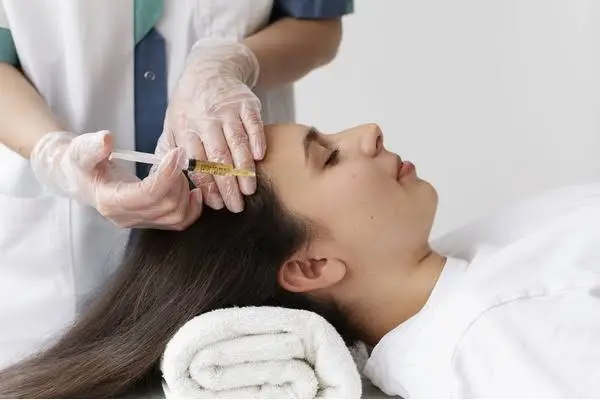
Hair loss is a common concern that can affect both appearance and confidence. People experiencing thinning hair often look for advanced approaches that support healthier-looking hair and improve the condition of the scalp. Exosomes Therapy in Abu Dhabi has gained attention as an innovative option in the field of hair restoration, offering a regenerative approach designed to support the natural environment around hair follicles. Understanding how this treatment works and what it may offer can help individuals make informed decisions about their hair restoration journey.
Understanding Exosomes Therapy for Hair Loss
Exosomes are tiny particles involved in communication between cells. They carry biological signals that can support communication and activity within different tissues. In hair restoration applications, exosome-based approaches are intended to support the scalp environment and encourage processes associated with follicular health.
Hair follicles depend on a healthy environment to complete their natural growth cycle. When this environment becomes less supportive, hair may appear thinner or weaker over time. Exosome therapy focuses on delivering biological signals that may help support the natural processes involved in scalp and hair follicle activity.
The treatment is often discussed as part of the growing interest in regenerative aesthetics. Its goal is not simply to cover thinning areas but to support the conditions that contribute to healthier-looking hair.
How Hair Loss Can Affect the Hair Growth Cycle
Hair naturally moves through different stages of growth, rest, and renewal. Changes in this cycle can influence hair density and the overall appearance of the scalp. When more hairs remain in a resting phase or when follicles produce increasingly finer strands, noticeable thinning can occur.
Hair loss can develop gradually, making it difficult for some individuals to recognize changes at first. Reduced volume, widening of the hair part, or increased visibility of the scalp are common concerns that encourage people to explore hair restoration options.
A treatment approach that focuses on the scalp and follicles may be appealing because healthy hair growth is closely connected to the condition of these structures. Exosome therapy is designed around this regenerative concept.
Why Is Exosomes Therapy in Abu Dhabi Considered for Hair Loss?
One reason Exosomes Therapy in Abu Dhabi attracts interest is its focus on supporting cellular communication. Exosomes contain signaling molecules that may interact with cells involved in tissue maintenance and renewal. Within hair restoration, these signals are being explored for their potential role in creating a more supportive environment for hair follicles.
The treatment may be considered by individuals who want an advanced approach to addressing visible thinning. It can be part of a broader hair restoration strategy based on the individual’s hair concerns, scalp condition, and treatment goals.
The appeal of this approach lies in its regenerative focus. Rather than concentrating only on the visible hair strands, it aims to support the underlying environment where hair growth takes place.
Can Exosome-Based Treatments Support Hair Follicle Health?
Hair follicles are complex structures that require ongoing biological activity to function effectively. Research into regenerative technologies has increased interest in the ways cellular signals may influence these structures.
Exosomes are being studied for their ability to participate in cell-to-cell communication and support tissue-related processes. In the context of hair restoration, this creates interest in whether these biological signals can help promote conditions associated with healthier follicular activity.
Results can vary because hair loss is not the same for everyone. The pattern, duration, and underlying cause of thinning can all influence the overall approach to hair restoration. For this reason, understanding the nature of the hair concern is an important part of determining whether an advanced regenerative option is appropriate.
What Makes This Treatment Different From Traditional Hair Care?
Traditional hair care often focuses on the appearance and condition of existing hair. Shampoos, conditioners, and styling products may improve how the hair looks and feels, but regenerative treatments explore processes occurring beneath the surface.
Exosome-based approaches are different because they are associated with biological signaling and cellular communication. This makes them part of a developing area of regenerative treatment rather than a conventional cosmetic hair care routine.
For people interested in supporting the scalp environment alongside improving the appearance of thinning hair, this difference can make exosome therapy an interesting option to explore.
Who May Consider Exosomes Therapy for Hair Thinning?
Individuals experiencing changes in hair density may be interested in learning more about regenerative approaches. Some people notice early thinning and want to explore options that focus on maintaining a healthier-looking scalp and hair appearance. Others may have concerns about gradual changes in hair volume and texture.
Suitability depends on individual factors and the specific nature of the hair loss. Different types of hair loss may require different approaches, which is why a personalized assessment is valuable before pursuing any hair restoration treatment.
Having realistic expectations is also important. Hair restoration is often a gradual process, and visible changes in hair appearance can take time as natural growth cycles continue.
What Can People Expect From the Hair Restoration Process?
The experience of hair restoration varies according to the treatment plan and the individual’s needs. A personalized approach generally begins with understanding the pattern of hair thinning and the desired outcome.
Because hair grows through natural cycles, improvements in overall hair appearance are not always immediate. The focus is often on supporting long-term hair and scalp health rather than expecting an instant transformation.
Maintaining consistent follow-up and paying attention to changes in hair density can help individuals understand how their hair restoration journey is progressing. Each person’s response and timeline can be different.
How Does a Healthy Scalp Support Better-Looking Hair?
The scalp provides the environment in which hair follicles function. When the scalp is well supported, it can contribute to the overall appearance and quality of the hair. This is why many modern hair restoration approaches place attention on both the hair itself and the scalp beneath it.
Regenerative technologies such as exosome-based treatments are designed around the idea of supporting natural biological processes. By focusing on the environment surrounding the follicles, these approaches may complement broader efforts to maintain fuller and healthier-looking hair.
A comprehensive approach recognizes that hair appearance is connected to many individual factors, making personalized care an important consideration.
Is Exosomes Therapy in Abu Dhabi a Promising Option for Hair Restoration?
Exosome therapy represents an emerging area of interest in regenerative hair restoration. Its focus on cellular communication and the scalp environment makes it different from many traditional approaches to managing visible hair thinning.
For individuals exploring advanced options, it can be a topic worth discussing as part of a personalized hair restoration plan. Scientific research into exosome-based applications continues to develop, and the potential role of these technologies in hair restoration remains an area of ongoing study.
The most suitable approach depends on the individual’s specific hair concerns and goals. A careful evaluation can help determine whether this type of regenerative treatment aligns with their expectations.
Conclusion
So, is Exosomes Therapy in Abu Dhabi good for hair loss? It may be a promising option for individuals interested in regenerative approaches that focus on supporting the scalp and the natural environment of hair follicles. Its unique role in cellular communication has created growing interest in its potential applications for hair restoration.
Since hair loss can have different patterns and causes, a personalized approach remains essential. Understanding the treatment, setting realistic expectations, and considering individual hair goals can help people make confident decisions. As regenerative technologies continue to evolve, exosome-based approaches may play an increasingly important role in supporting healthier-looking, fuller hair.
FAQs
What is exosomes therapy for hair loss?
Exosomes therapy is a regenerative approach that uses biological signaling components being studied for their potential role in supporting scalp and hair follicle processes. It is considered an emerging area in hair restoration.
Can exosomes therapy help with thinning hair?
Exosome-based approaches are being explored for their potential to support the environment around hair follicles. Results may vary depending on individual factors and the nature of the hair concern.
How long does it take to notice changes in hair appearance?
Hair follows a natural growth cycle, so changes in hair appearance may develop gradually. The timeline can differ from one person to another.
Is exosomes therapy suitable for everyone with hair loss?
Suitability depends on the individual’s pattern of hair loss, scalp condition, and overall treatment goals. A personalized assessment is important when considering any hair restoration approach.
What makes exosomes therapy different from regular hair care?
Unlike conventional hair care products that mainly focus on the existing hair, exosome-based treatments are associated with biological signaling and regenerative processes related to the scalp and hair follicles.
Can exosomes therapy be part of a hair restoration plan?
Depending on individual needs and professional guidance, regenerative approaches may be considered as part of a personalized strategy for addressing concerns about hair density and overall hair appearance.