
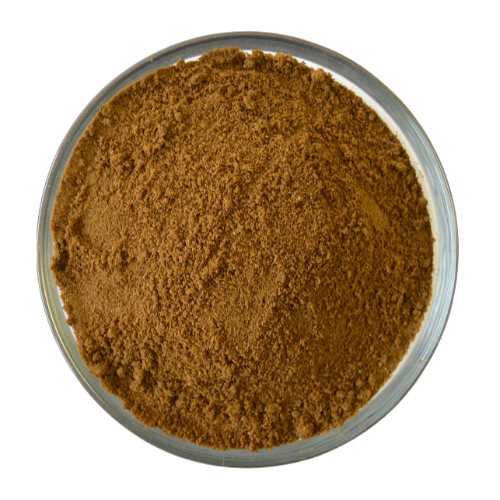
Few commodity markets have been as dramatic this year as fish meal. A warm-water event off the coast of Peru has cut the world’s biggest marine protein supply, and the effects are reaching aquaculture feed mills, salmon farms, and eventually seafood counters. Anyone budgeting for feed, trading marine ingredients, or simply following the aquaculture sector needs to understand why the fish meal price has behaved this way and where it may go next.
Where the Fish Meal Price Stands Now
Prices have moved far above last year’s levels. The IMF’s Peruvian benchmark (65% protein, CIF) was about $2,630 per ton in July 2026, compared with a 2025 annual average of roughly $1,511. Spot trading has been even sharper at times. In April, traders described Peruvian fish meal prices as at a historic high, and Chinese asking prices for super prime grades reached new records.
Some market commentators expect further increases. One industry post citing Rabobank suggested standard fish meal prices could head toward $4,000 per ton unless Peru’s second season recovers. That is a forecast, not a confirmed price, and it should be treated with caution.
Why Prices Surged: The Peru Problem
A Smaller Quota and a Failed Season
Peru normally supplies around 20 percent of global fish meal and fish oil production. This year, the first-season north-central quota was capped at 1.9 million tons, about 36% below 2025 and the smallest in a decade. Warm coastal waters then caused nets to fill with juvenile anchovy, and authorities suspended fishing. The fleet landed only a fraction of its quota.
The Second Season Was Cancelled
The situation worsened when the second anchovy season in the north-central zone was reportedly cancelled as El Niño persisted. IFFO also noted that Peruvian raw material intake stayed very low in August, and it forecast global fish meal output below 4.6 million tons in 2026, the lowest supply since 2016.
Freight and Weak Salmon Prices Add Pressure
Analysts have also pointed to higher container freight costs and subdued salmon prices squeezing producers at the same time, making feed inflation harder to absorb.
What Affects the Price You Actually Pay
Headline benchmarks are only a starting point. Your actual quote depends on several details:
- Protein grade, with super prime and 65 to 68 percent protein priced above standard quality
- Origin, since Peruvian, Chilean, Scandinavian, and Chinese product trade at different levels
- Delivery terms such as FOB, CIF, or ex-warehouse, which change landed cost
- Freshness and drying method, including steam-dried versus flame-dried product
- Contract type, whether spot purchase or forward agreement
Comparing quotes on a cost-per-unit-of-protein basis is the fairest way to judge value.
Trends Shaping the Market
Several patterns are worth watching:
- Buyers shifting toward alternative proteins such as poultry meal, soy, insect meal, and algae. One European price assessment shows poultry meal up €275 per tonne since November 2025.
- Greater use of fish trimmings and byproducts instead of whole fish
- Heavier reliance on multi-month contracts to manage risk
- Closer attention to El Niño forecasts, with warming expected to hold through early 2027
- Growing scrutiny of climate dependence in feed supply chains
Strategies for Buyers and Feed Producers
Rising markets reward preparation. Feed formulators are reviewing recipes to use fish meal where it delivers the most value, such as starter feeds and broodstock diets, and substituting alternative proteins elsewhere. Diversifying suppliers across Chile, Europe, the US, and Asia reduces exposure to a single fishery. Watching quota announcements from Peru, along with stock assessments, helps anticipate price moves before they reach quotes. Small buyers can ask suppliers for specification sheets covering protein, fat, moisture, and ash, since a lower price per ton can hide a lower protein content.
What Could Happen Next
The next few months depend on ocean conditions and Peruvian fisheries decisions. Imarpe began a new anchovy stock assessment on 15 September, and its findings will influence whether any further fishing opens. If conditions improve, prices could ease. If El Niño continues into early 2027, tight supply may persist. Nobody can forecast the exact path, so buyers should rely on live quotes from suppliers and recognized price reporters rather than any single number.
The Bottom Line
The fish meal price in 2026 is a story about climate, quotas, and concentrated supply. A struggling Peruvian anchovy fishery has pushed benchmarks to record territory and forced feed makers to rethink formulations and sourcing. Understanding grades, origins, and contract options helps buyers make sharper decisions, while diversifying proteins and suppliers offers some protection. Check current quotes before any purchase, because in a market this volatile, prices can shift within weeks.
