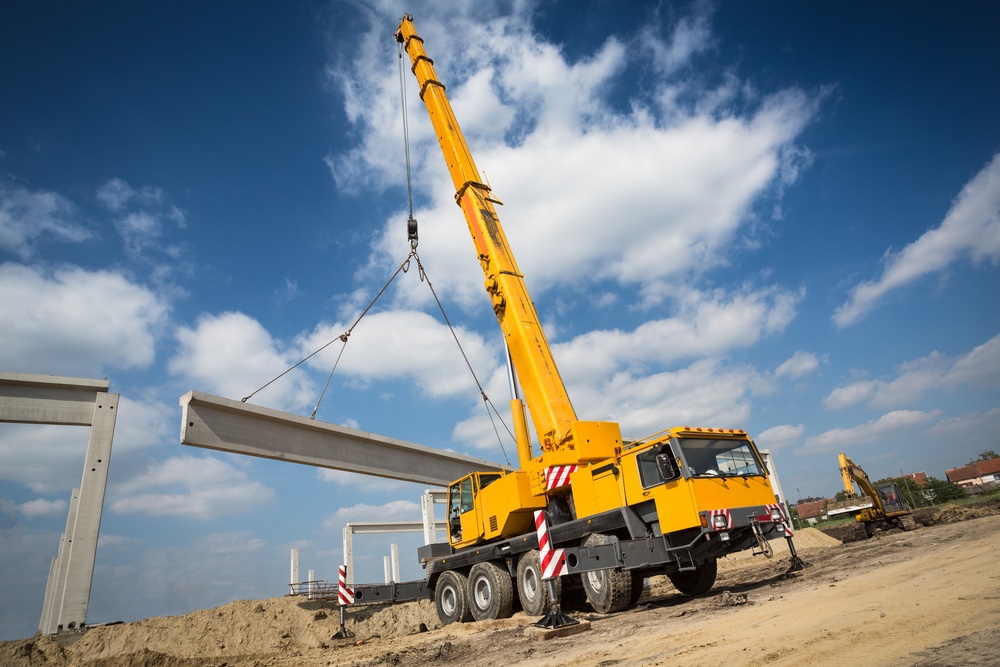
In the construction, infrastructure, and industrial sectors, cranes play a vital role in lifting, moving, and positioning heavy materials with precision and safety. However, owning a crane isn’t always practical due to high purchase costs, maintenance requirements, and operational complexities. That’s why many businesses turn to crane hire services.
But with so many providers in the market, how do you choose the best crane hire service for your project? Selecting the right partner can significantly impact your project’s efficiency, safety, and overall success. This comprehensive guide will walk you through the key factors to consider when choosing the best crane hire services.
Understand Your Project Requirements
Before you even begin searching for a crane hire company, it’s essential to clearly define your project needs. Not all cranes are the same, and each project demands specific equipment.
Ask yourself:
- What type of materials need to be lifted?
- What is the maximum weight capacity required?
- What is the height and reach needed?
- What is the site condition (urban, rough terrain, confined space)?
For example, a mobile crane may be ideal for flexible operations, while a tower crane is better suited for high-rise construction. Understanding your requirements ensures you choose a service provider that can meet your exact needs.
Check the Range of Equipment
A reliable crane hire company should offer a wide variety of cranes and lifting equipment. This ensures they can provide the right solution for different project types.
Look for companies that offer:
- Mobile cranes
- Tower cranes
- Crawler cranes
- All-terrain cranes
- Mini cranes for tight spaces
A diverse fleet indicates that the company is well-equipped and experienced in handling various lifting challenges. It also gives you flexibility if your project requirements change.
Evaluate Experience and Expertise
Experience matters significantly in crane operations. Handling heavy machinery requires technical knowledge, precision, and a deep understanding of safety protocols.
When evaluating a crane hire company, consider:
- How long they have been in the industry
- Types of projects they have handled
- Their specialization (construction, mining, industrial, etc.)
An experienced provider is more likely to anticipate challenges and offer practical solutions, ensuring smooth project execution.
Verify Licenses and Certifications
Crane operations involve significant risks, making it crucial to work with a company that adheres to legal and safety standards.
Ensure the company:
- Holds valid licenses and permits
- Complies with local regulations
- Employs certified crane operators
- Follows industry safety guidelines
Certified operators are trained to handle complex lifting tasks safely, reducing the risk of accidents and delays.
Prioritize Safety Standards
Safety should be a top priority when choosing crane hire services. Poor safety practices can lead to serious accidents, injuries, and costly project delays.
Ask the company about:
- Their safety policies and procedures
- Regular maintenance and inspection schedules
- Risk assessment practices
- Emergency response plans
A reputable company will have strict safety protocols in place and will be transparent about their safety record.
Assess Maintenance and Equipment Condition
Well-maintained equipment is essential for efficient and safe crane operations. Poorly maintained cranes can break down, causing delays and increasing risks.
When selecting a provider:
- Inspect the condition of their cranes
- Ask about maintenance schedules
- Check if equipment undergoes regular servicing and testing
Modern, well-maintained cranes not only perform better but also ensure higher safety standards on-site.
Consider Operator Availability
Many crane hire services include trained operators as part of their package. This can be highly beneficial, especially if your team lacks the expertise to operate cranes.
Benefits of hiring with operators:
- Skilled handling of equipment
- Improved safety
- Faster project completion
- Reduced liability
Make sure the operators are licensed, experienced, and familiar with the specific type of crane required for your project.
Look at Reputation and Reviews
A company’s reputation can tell you a lot about the quality of its services. Before making a decision, research customer feedback and testimonials.
Check:
- Online reviews and ratings
- Client testimonials
- Case studies or past projects
- Word-of-mouth recommendations
Consistent positive feedback is a strong indicator of reliability and professionalism.
Compare Pricing and Transparency
While cost shouldn’t be the only deciding factor, it’s still an important consideration. Different companies may offer varying pricing structures depending on the type of crane, duration of hire, and additional services.
Look for:
- Clear and transparent pricing
- Detailed quotes with no hidden charges
- Flexible rental options (hourly, daily, weekly)
Be cautious of extremely low prices, as they may indicate poor equipment quality or lack of proper safety measures.
Evaluate Customer Support
Good customer service is essential when dealing with equipment hire. You want a provider that is responsive, communicative, and supportive throughout your project.
A reliable company should:
- Provide prompt responses to inquiries
- Offer expert guidance in choosing the right crane
- Be available for support during the project
- Handle issues quickly and efficiently
Strong customer support ensures a smoother and more stress-free experience.
Check Availability and Flexibility
Timing is critical in construction projects. Delays in equipment availability can disrupt your entire schedule.
Choose a company that:
- Can deliver equipment on time
- Offers flexible scheduling options
- Can accommodate urgent or last-minute requests
Flexibility is especially important for projects with changing timelines or unexpected requirements.
Insurance Coverage Matters
Crane operations involve significant risks, making insurance coverage essential. A reputable crane hire company should have comprehensive insurance policies in place.
Ensure they provide:
- Public liability insurance
- Equipment insurance
- Worker’s compensation coverage
This protects you from potential financial losses in case of accidents or damages.
Look for Value-Added Services
Some crane hire companies go beyond just providing equipment. They offer additional services that can enhance your project’s efficiency.
These may include:
- Site inspections and planning
- Lift planning and risk assessments
- Transport and setup of cranes
- Technical support and consultation
Value-added services can save time, reduce risks, and improve overall project outcomes.
Environmental Considerations
Sustainability is becoming increasingly important in the construction industry. Choosing a crane hire company that prioritizes eco-friendly practices can be a plus.
Look for companies that:
- Use fuel-efficient or electric cranes
- Follow environmentally responsible practices
- Minimize emissions and noise pollution
This not only benefits the environment but also helps your project comply with regulations.
Build a Long-Term Partnership
If you frequently require crane services, it’s beneficial to build a long-term relationship with a reliable provider. A trusted partner will understand your needs and deliver consistent service quality.
Benefits of long-term partnerships:
- Better pricing and discounts
- Priority service
- Improved communication
- Greater reliability
Choosing the right crane hire company isn’t just about one project—it’s about finding a partner you can depend on for future work.
Final Thoughts
Choosing the best crane hire service requires careful consideration of multiple factors, from equipment quality and safety standards to experience and customer support. By taking the time to evaluate your options thoroughly, you can ensure your project runs smoothly, safely, and efficiently.
Remember, the right crane hire company is not just a supplier—they are a crucial partner in your project’s success. Prioritize quality, reliability, and safety over cost alone, and you’ll make a decision that benefits your project in the long run.