
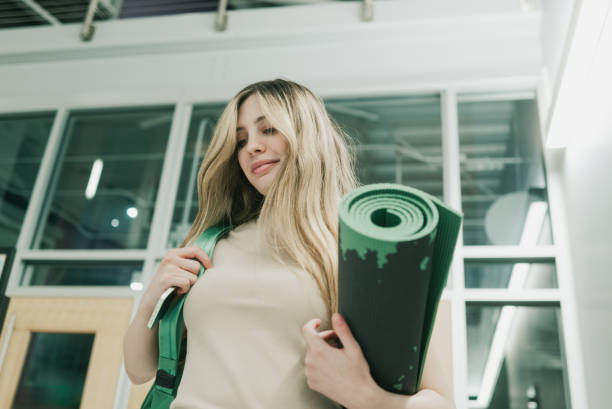
Yoga has become a staple in modern wellness culture — offering balance, strength, grounding, and a moment of calm in an increasingly busy world. As more people practise at home, in studios, and outdoors, the tools that support the practice matter more than ever. A good mat provides stability and comfort, while a carrier makes movement between sessions effortless. Together, a well-thought-through yoga mat and carrier set makes your routine feel smoother, cleaner, and much more enjoyable. Below is a practical listicle guide breaking down what to look for, why materials matter, and how design can influence comfort and commitment. Whether you are new to yoga or upgrading your gear, these points will help you choose wisely. 1. Material Matters: Comfort, Grip, and Joint Support The material of your mat determines how it feels under hands, feet, and knees. Traditional PVC mats are cushioned and long-lasting, but many yogis now prefer natural alternatives such as cork and rubber due to sustainability and grip. Eco mats are kinder on skin, biodegradable, and offer impressive traction even in hot yoga or dynamic flows. Joint support is especially important for kneeling postures, plank transitions, and seated practice. Thicker mats help cushion pressure points, making longer sessions more comfortable and safer for beginners or those with sensitive knees. 2. Thickness & Density: Finding Your Sweet Spot Not all mats are created equal when it comes to thickness. Standard mats measure around 4mm, which is ideal for most yogis. Thicker mats (6–8mm) are beneficial for gentle or restorative practices where comfort is key, while thinner mats suit travel and standing balance sequences. Density affects stability. A thick mat without density can feel spongy and unstable, making balancing postures like Warrior III or Tree Pose more challenging. Choose a mat that offers both cushioning and firmness to support your alignment. 3. Texture & Grip: No More Slipping Grip can make or break a session. Textured mats improve traction, particularly during sweaty practice. Cork mats are popular for this reason — they get grippier as moisture increases. Natural rubber and TPE options also offer strong traction with a smoother feel. The goal is a surface that prevents slips during downward dog and sudden transitions, allowing you to hold postures longer and flow confidently. 4. Size & Shape: Because Not All Bodies Are the Same Most mats follow a standard size, but taller practitioners may prefer extended-length options. Larger mats also suit those who enjoy wide stances or seated flows. There are even square or circular mats that allow more multi-directional movement, particularly useful for Pilates, contemporary yoga, and stretching routines. 5. Sustainability & Eco Materials As wellness and sustainability overlap more each year, natural materials like jute, cork, and organic cotton have become popular. These materials are renewable, biodegradable, and free from harsh chemicals typically used in synthetic mats. Buying eco-conscious gear also aligns with yoga’s foundational principles of non-harm (ahimsa) — a thoughtful consideration for conscious practitioners. 6. Why the Carrier Matters More Than You Think Many yogis overlook carriers, assuming they are simply a strap system for transport. A well-designed carrier adds practicality, hygiene, and portability. Whether commuting, travelling, or attending outdoor sessions, a good carrier keeps your mat rolled, protected, and easy to grab. A smart yoga mat and carrier set eliminates the awkward experience of trying to carry a rolled mat under your arm, especially on busy days or long walks….