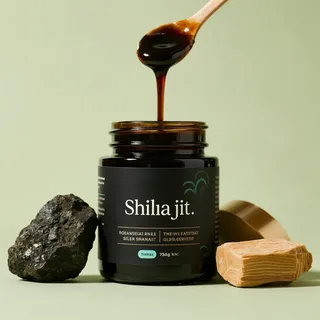
Buying shilajit resin online can be convenient, but choosing a reliable product requires careful research. Shilajit is a naturally occurring substance traditionally used in wellness practices and commonly sold as a dark, sticky resin. It contains a mixture of organic compounds, including fulvic acid, along with various minerals. However, its composition and quality can differ depending on its source, processing methods, and manufacturing standards.
Online shoppers cannot directly inspect a product before purchasing it. This makes ingredient transparency, independent laboratory testing, seller credibility, and clear product information particularly important. Attractive packaging and positive reviews may influence a buying decision, but they cannot independently confirm purity or safety.
Whether you are exploring traditional shilajit resin or researching related products such as Honey shilajit, understanding these factors can help you compare available options and make a more informed purchase.
What Is Shilajit Resin?
Shilajit is a naturally occurring, mineral-rich organic substance associated with mountainous environments, including the Himalayan region. It develops through complex natural processes involving organic material over long periods.
Shilajit resin is a concentrated, sticky form of the substance that is typically softened or dissolved according to the manufacturer’s instructions. Unlike capsules or gummies, resin generally requires the user to measure an appropriate serving.
Its composition can vary, so products should not be assumed to have identical amounts of fulvic acid, minerals, or other compounds. The quality of the raw material and the processing it receives are important considerations.
Although shilajit has a long history of traditional use, scientific evidence supporting many advertised health benefits remains limited. Buyers should therefore focus on product quality and realistic expectations rather than relying on exaggerated wellness claims.
1. Check the Source and Origin
The first thing to investigate when buying shilajit resin online is where the raw material comes from.
Some sellers identify a specific mountainous region, while others use broad descriptions such as Himalayan shilajit without providing additional sourcing information. Knowing the stated origin can be useful, but geographical claims alone do not prove purity or quality.
Environmental conditions, collection practices, and raw-material handling can influence the composition of shilajit. Proper processing and testing remain essential regardless of where it originates.
Before purchasing, look for information about the source of the raw material, the manufacturer’s processing procedures, and the steps used to verify ingredient identity.
Be cautious if a seller relies entirely on phrases such as “100% natural” or “premium mountain resin” without offering meaningful details. These descriptions are marketing claims, not substitutes for quality documentation.
2. Look for Independent Laboratory Testing
Independent laboratory testing is one of the most important factors to consider when choosing shilajit resin.
Naturally sourced materials can contain unwanted contaminants. For this reason, appropriate testing should assess relevant safety concerns, including heavy metals such as lead, arsenic, cadmium, and mercury.
A certificate of analysis, commonly called a COA, can provide information about the results obtained for a particular product or batch.
When reviewing a COA, check whether it includes:
- The product name and relevant batch or lot number.
- The testing laboratory’s name and identifying information.
- The date of testing.
- The substances tested and their reported results.
- Relevant safety limits or specifications.
A statement that a product is “lab tested” is less informative than a report showing what was tested and what the results were.
Whenever possible, look for documentation from a qualified independent laboratory. A relevant report provides stronger evidence than an unsupported claim, although testing cannot guarantee that every possible risk has been eliminated.
3. Read the Ingredient List and Product Label
A clear product label helps you understand what you are buying and how to use it.
For a shilajit resin product, check whether the label identifies shilajit as the main ingredient, provides serving instructions, and includes appropriate warnings and storage recommendations.
Some products contain additional ingredients, while others are marketed as pure resin. Do not assume that a product is free from additives simply because its name includes the word “resin.”
Pay attention to the following details:
- The complete ingredient list.
- The suggested serving size.
- The amount of shilajit provided per serving, where disclosed.
- Manufacturing and expiration dates.
- Storage instructions and safety warnings.
If you are considering Honey shilajit, check whether the product contains honey alongside shilajit, how the ingredients are described, and whether the amount of shilajit is disclosed. The name alone does not establish the product’s composition or quality.
Reading the label carefully can also help you identify ingredients that may not suit your dietary preferences or individual health needs.
4. Understand Purification and Processing
Shilajit intended for consumption should undergo appropriate processing and quality controls. Raw or unverified shilajit should not automatically be considered safe simply because it comes from a natural source.
Processing can help remove unwanted material and prepare the substance for use in supplements. However, manufacturers may use different procedures, and a seller’s claim that a product is purified should ideally be supported by credible quality information.
Look for brands that explain their processing standards or provide relevant documentation. If a company refuses to explain how its resin is prepared or cannot provide reasonable safety information, consider other options.
Be careful with claims that a product is “raw,” “untouched,” or “straight from the mountains” if those claims are presented as proof of superior quality. Natural origin does not eliminate the need for appropriate purification and contaminant testing.
5. Evaluate the Seller’s Reputation
When purchasing shilajit resin online, the seller matters almost as much as the product itself.
A reliable seller should provide clear contact information, accurate product descriptions, transparent policies, and accessible customer support. These details make it easier to ask questions about ingredients, testing, shipping, and product handling.
Customer reviews can offer useful information about packaging, delivery, and the buying experience. However, reviews cannot reliably verify a supplement’s chemical composition or prove that it delivers specific health benefits.
When assessing a seller, consider whether the website provides consistent product information, whether claims are realistic, and whether questions about testing receive clear answers.
Avoid relying exclusively on social media endorsements, influencer promotions, or dramatic testimonials. These may reflect personal opinions or marketing arrangements rather than independently verified evidence.
A seller that welcomes reasonable questions about quality is generally easier to evaluate than one that relies on broad promises without supporting details.
6. Compare Price and Value Carefully
Price is an important consideration, but the cheapest shilajit resin is not necessarily the best option. Likewise, an expensive product is not automatically purer or more effective.
Prices may differ because of product size, ingredient sourcing, packaging, manufacturing costs, and testing procedures. To compare options fairly, examine the amount of resin supplied, the stated serving size, the available quality documentation, and the total number of servings.
Be cautious of unusually low prices paired with claims of exceptional purity or extraordinary potency. Such combinations deserve closer scrutiny, particularly when the seller provides little information about sourcing or testing.
Also be wary of vague terms such as “extra strength” when the manufacturer does not explain what the claim means.
A better purchasing decision comes from comparing verifiable product details rather than choosing solely on price, packaging, or promotional language.
7. Check Packaging, Expiration Dates, and Storage
Packaging helps protect shilajit resin during shipping and storage. Before placing an order, review the product photographs and description for information about the container, seal, and storage requirements.
After delivery, check that the packaging is intact and that the product information is legible. Review the expiration or best-before date, if provided, and follow the manufacturer’s storage instructions.
Shilajit resin may become softer or firmer as temperatures change. A change in consistency does not automatically prove that a product is contaminated, but unusual odors, visible contamination, damaged packaging, or unexpected changes should not be ignored.
Store the resin as directed, away from unsuitable temperatures, excessive moisture, and direct sunlight where appropriate. Keep the container tightly closed and avoid introducing water or contaminants during handling.
If the product arrives with a broken seal or appears compromised, contact the seller before using it.
Relevant Case Study: Comparing Two Online Shilajit Resin Products
Consider a hypothetical buyer comparing two products on different online stores.
Product A has premium-looking packaging, several positive reviews, and claims to contain authentic Himalayan shilajit. However, the product page does not clearly list its ingredients or provide a laboratory report.
Product B costs slightly more and has simpler packaging. Its label identifies the ingredients and serving instructions, while the manufacturer provides a batch-specific certificate of analysis covering relevant heavy-metal testing.
The buyer reviews the available information and chooses Product B because its documentation provides a clearer basis for evaluating quality and potential safety concerns.
This example does not establish that Product B is more effective or that Product A is necessarily unsafe. It demonstrates that transparent information and relevant testing are more useful decision-making tools than packaging or popularity alone.
The same method can be applied when comparing shilajit resin with other formulations, including products marketed as Honey shilajit.
Common Mistakes to Avoid When Buying Shilajit Resin Online
Several common mistakes can make it harder to identify a suitable product.
First, do not assume that a dark color, thick texture, or strong smell proves authenticity. Physical characteristics can vary and cannot reliably establish purity.
Second, avoid treating customer testimonials as scientific evidence. Personal experiences do not demonstrate that a supplement is safe or effective for everyone.
Third, do not overlook the ingredient list or serving instructions. Understanding what a product contains is essential when comparing different formulations.
Finally, avoid purchasing products that promise guaranteed medical outcomes or claim to treat serious conditions. Shilajit is a supplement, not a replacement for appropriate medical care.
Frequently Asked Questions
1. How can I choose good-quality shilajit resin online?
Look for transparent sourcing information, appropriate purification and processing, independent laboratory testing, clear ingredient labels, and a credible seller. Compare these details rather than relying only on price or reviews.
2. Is dark-colored shilajit resin always authentic?
No. Color and texture vary, and appearance alone cannot confirm authenticity or purity. Appropriate laboratory testing and reliable product documentation provide stronger evidence.
3. Why is a certificate of analysis important?
A certificate of analysis provides laboratory results for specified quality or safety parameters. Check that the report is relevant to the product or batch and identifies the substances tested.
4. Is Himalayan shilajit automatically better?
Not necessarily. The stated geographical origin does not independently establish purity, safety, or effectiveness. Processing, contaminant testing, and ingredient quality remain important.
5. What should I check before buying Honey shilajit?
Review the complete ingredient list, the disclosed amount of shilajit, serving instructions, processing information, and available laboratory testing. Do not assume that the product name guarantees a particular formulation.
6. Can shilajit resin contain heavy metals?
Naturally sourced materials may contain heavy metals or other contaminants. Appropriate testing can help assess these risks, which is why credible laboratory documentation is an important consideration.
7. How should shilajit resin be stored?
Follow the manufacturer’s storage instructions. Keep the container properly closed and protect the product from unsuitable temperatures, moisture, and direct sunlight where recommended.
8. Is shilajit safe for everyone?
No supplement is suitable for everyone. Evidence about many proposed benefits and long-term effects remains limited. Consult a qualified healthcare professional before using shilajit, especially if you take medication, have an existing health condition, or are pregnant or breastfeeding.
Conclusion
Buying shilajit resin online requires careful attention to product quality, ingredient transparency, and safety information. Since you cannot inspect the product before ordering, independent laboratory testing, clear labeling, credible sourcing details, and a trustworthy seller are particularly valuable.
Before making a purchase, review the ingredient list, understand the processing claims, compare prices fairly, and check the packaging and expiration information. Avoid relying on appearance, customer reviews, or promises of extraordinary results as proof of purity or effectiveness.
Whether you are considering traditional shilajit resin or exploring Honey shilajit, focus on verifiable information and realistic expectations. A well-informed decision starts with understanding what the product contains, how its quality is assessed, and whether it is appropriate for your individual needs.