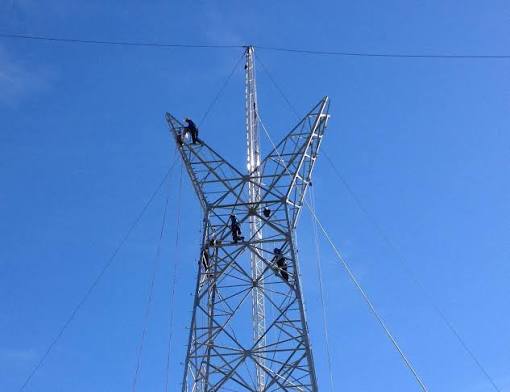
Reliable electricity transmission is essential for homes, businesses, industries, infrastructure, and public services. As power demand grows and electricity needs to travel longer distances, transmission networks must be designed, installed, operated, and maintained with careful attention to safety and performance. This is where an Extra High Voltage (EHV) Transmission Specialist Assam plays an important role.
EHV transmission systems are used to move large amounts of electrical power over long distances with controlled losses. Their design involves much more than installing towers and conductors. It requires careful planning of transmission routes, suitable tower structures, conductor selection, insulation coordination, earthing, protection systems, and compliance with applicable technical and safety requirements.
For Assam and the wider Northeast region, dependable transmission infrastructure can support the movement of electricity between generating stations, substations, distribution networks, and major load centres. Understanding how EHV transmission works can help project owners, contractors, and other stakeholders make better decisions when planning transmission projects.
What Is Extra High Voltage Transmission?
Extra High Voltage transmission refers to the transmission of electrical power at very high voltage levels, generally used for bulk power transfer over significant distances. In India, transmission systems commonly include voltage levels such as 132 kV, 220 kV, 400 kV, and higher levels depending on the network and project requirements.
Higher transmission voltages allow large quantities of electricity to be transported efficiently. For a given amount of power, increasing the voltage reduces the current required, which can help reduce resistive losses in the transmission conductors.
An EHV transmission system typically involves several interconnected components, including:
- Transmission towers and structures
- Conductors and earth wires
- Insulators and hardware fittings
- Foundations and tower earthing
- Substations and associated equipment
- Protection and control systems
- Communication and monitoring systems
- Right-of-way and route planning
Each component needs to work correctly as part of the overall network.
Why EHV Transmission Is Important for Assam
Assam has a geographically diverse landscape, with urban centres, rural areas, industrial locations, forests, rivers, and other challenging terrain. Developing transmission infrastructure in such conditions requires detailed engineering and careful project planning.
An EHV transmission network can help facilitate the bulk transfer of electricity from generation points to substations and major demand centres. Strong transmission infrastructure can also form an important part of wider regional power networks connecting different areas of the Northeast.
Transmission projects in Assam may have to consider factors such as:
- Terrain and ground conditions
- River and road crossings
- Monsoon conditions
- Vegetation and environmental considerations
- Accessibility for construction teams
- Land and right-of-way requirements
- Existing electrical infrastructure
- Safety clearances
These factors make site assessment and engineering particularly important before construction begins.
Key Responsibilities of an EHV Transmission Specialist
An Extra High Voltage (EHV) Transmission Specialist Assam may contribute to different stages of a transmission project, from initial planning to construction and commissioning.
Transmission Planning and Route Assessment
A transmission line route needs to balance technical requirements, safety, accessibility, land considerations, and construction feasibility.
Route assessment may involve studying:
- Terrain and topography
- Existing roads and infrastructure
- Rivers and other natural obstacles
- Settlement patterns
- Existing transmission corridors
- Environmental constraints
- Required clearances
The objective is to develop a technically practical route while addressing project-specific constraints.
Tower and Structural Considerations
Transmission towers support conductors and maintain the required clearances from the ground, buildings, roads, railways, and other infrastructure.
Different tower configurations may be selected according to the voltage level, terrain, span length, conductor arrangement, and line design.
Tower-related work can include consideration of:
- Tower type and configuration
- Structural loading
- Wind conditions
- Conductor arrangement
- Foundation requirements
- Tower spotting
- Earthing arrangements
Proper structural engineering is important because transmission towers must withstand mechanical and environmental loads throughout their service life.
Understanding Conductors in EHV Lines
Conductors carry electrical power between transmission structures. Their electrical and mechanical characteristics directly influence the performance of a transmission line.
Commonly considered conductor-related factors include:
- Current-carrying capacity
- Electrical resistance
- Mechanical strength
- Sag and tension
- Thermal performance
- Corona considerations
- Environmental conditions
For particular projects, conventional conductors or advanced conductor technologies may be considered depending on technical requirements.
For example, High Temperature Low Sag (HTLS) conductors can be relevant where higher power transfer capability is required within existing or constrained transmission corridors. The appropriate conductor should always be selected based on detailed engineering requirements rather than simply choosing a higher-capacity option.
Importance of Insulation and Electrical Clearances
At EHV levels, insulation coordination and clearances become critical design considerations.
Insulators electrically isolate conductors from supporting structures while providing the necessary mechanical support. Their selection depends on factors such as voltage level, environmental conditions, contamination, mechanical loading, and system requirements.
Clearances must also be maintained around transmission lines. These include clearances from:
- Ground
- Buildings
- Roads
- Railways
- Trees and vegetation
- Other electrical infrastructure
Maintaining appropriate clearances helps reduce electrical hazards and supports reliable operation.
EHV Transmission Construction Process
A transmission project normally progresses through several stages. The exact process varies according to project scope and technical requirements.
1. Survey and Investigation
The proposed route is surveyed to understand terrain, obstacles, land conditions, and other constraints.
2. Engineering and Design
Engineers develop the transmission line design, including tower configuration, conductor selection, foundation requirements, insulation, earthing, and other technical elements.
3. Foundation Construction
Tower foundations are constructed according to the approved design and site conditions. Foundation quality is particularly important because the towers depend on these structures for stability.
4. Tower Erection
Once foundations are ready, tower components are assembled and erected using appropriate construction methods and safety procedures.
5. Conductor Stringing
Conductors and associated wires are installed along the transmission route. Proper stringing practices help control mechanical stress, sag, and clearances.
6. Inspection and Testing
The completed line is inspected to identify construction or installation issues. Relevant testing and checks are performed before commissioning.
7. Commissioning
After necessary approvals, inspections, and testing, the transmission line can be integrated into the electrical network according to the project plan.
Safety in EHV Transmission Projects
Safety is a fundamental consideration throughout an EHV transmission project. The combination of high electrical voltage, heavy structural components, elevated work, construction machinery, and challenging terrain creates multiple potential hazards.
Important safety practices include:
- Following approved construction procedures
- Using appropriate personal protective equipment
- Maintaining electrical safety clearances
- Controlling access to construction areas
- Using suitable lifting and erection equipment
- Following safe conductor-stringing procedures
- Conducting proper inspections
- Ensuring workers receive relevant safety training
Transmission projects should be carried out by qualified teams following applicable standards, regulations, project specifications, and safety procedures.
Challenges in EHV Transmission Work in Assam
Transmission projects in Assam can involve practical challenges that require careful planning.
Difficult Terrain
Hilly, uneven, forested, or inaccessible areas can make transportation, foundation work, and tower erection more complicated.
Monsoon Conditions
Heavy rainfall can affect site access, excavation, transportation, and construction schedules. Project planning therefore needs to account for seasonal conditions.
River and Road Crossings
Crossing rivers, highways, railway lines, and other infrastructure requires detailed engineering to maintain appropriate clearances and construction safety.
Right-of-Way Considerations
Land access and corridor requirements can influence route selection and project implementation. Early planning can help identify potential constraints.
Existing Infrastructure
New transmission lines may need to pass near existing electrical lines, buildings, roads, and other infrastructure. Coordination and clearance requirements must be considered carefully.
What to Consider When Selecting an EHV Transmission Specialist
Choosing a specialist for a transmission project involves more than looking at a single technical capability. Project owners and stakeholders should consider whether the service provider understands the complete transmission project environment.
Useful considerations include:
- Technical understanding: Look for knowledge of EHV transmission design and associated systems.
- Project experience: Consider experience relevant to the voltage level, terrain, and project type.
- Engineering approach: Review how route planning, structural design, conductors, insulation, and earthing are addressed.
- Safety practices: Confirm that safety procedures are integrated into project execution.
- Quality control: Understand how materials, construction activities, inspections, and testing are managed.
- Regional understanding: Knowledge of local terrain, weather, accessibility, and project conditions can be useful for Assam-based work.
- Coordination: Large transmission projects require coordination between engineering, construction, utilities, authorities, contractors, and other stakeholders.
Frequently Asked Questions
What does an Extra High Voltage transmission specialist do?
An EHV transmission specialist works on technical and project-related aspects of high-voltage transmission systems. Depending on the project scope, this may include route assessment, transmission line engineering, tower and conductor considerations, construction support, inspection, testing, and commissioning.
Why are higher voltages used for long-distance power transmission?
Higher voltages allow electricity to be transmitted at lower current for a given power level. Lower current can reduce resistive losses in transmission conductors, making high-voltage transmission suitable for bulk power transfer over long distances.
What are the main components of an EHV transmission line?
Major components include transmission towers, conductors, insulators, earth wires, fittings, foundations, and earthing systems. The complete transmission network may also include substations, protection systems, control equipment, and communication infrastructure.
What challenges can affect EHV transmission projects in Assam?
Terrain, heavy rainfall, river crossings, road and railway crossings, vegetation, right-of-way requirements, and accessibility can all affect project planning and construction. Detailed surveys and engineering assessments help address these conditions.
Why is route planning important for an EHV transmission line?
Route planning influences construction feasibility, safety clearances, land requirements, environmental considerations, accessibility, and overall project complexity. A suitable route should satisfy technical requirements while accounting for physical and regulatory constraints.
Conclusion
An EHV transmission system is a complex piece of electrical infrastructure that requires coordinated planning, engineering, construction, testing, and safety management. For transmission projects in Assam, regional conditions make careful route assessment, structural design, conductor selection, foundation work, and construction planning especially important.
As an experienced participant in the power infrastructure sector, Krishna Urja can be considered in the context of EHV transmission requirements where suitable technical and project capabilities align with the needs of the work. Ultimately, every transmission project should be evaluated according to its specific voltage level, route, engineering requirements, safety considerations, and applicable standards.