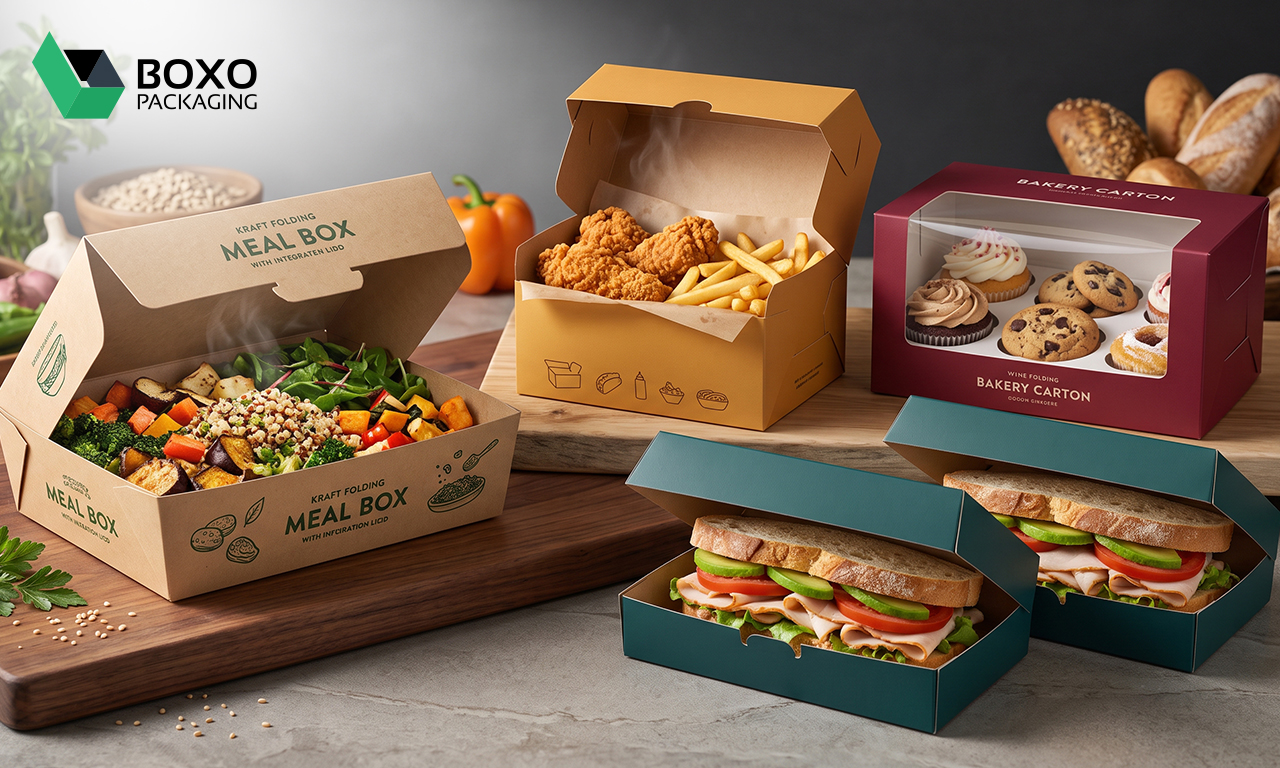
Packaging determines if a dish gets to you fresh or spoiled. Food Boxes have been used for anything from delivery burgers or pizzas to baked goods they ship you to a meal kits, and even gourmet gift sets. They protect against heat transfer, moisture, grease, and physical damage while also offering up a great branding opportunity each time a customer opens a lid. To restaurants, bakeries, and delivery services, the right box is not a cost. It serves as a tool that builds trust, reduces complaints, and inspires repeat orders.
This post outlines how high-quality packaging helps to maximize freshness, aligns with branding, and assists businesses in the food sector to thrive in a market defined by delivery.
Important Characteristics That Define Good Quality Food Boxes
Good packaging has to withstand heat, oil, steam, and rough handling without falling apart. Materials also have to be safe for contact with food. If these basics are not up to par, soggy containers, leaking seams, and unhappy customers result.
Essential features include:
• Grease-resistant barriers: The coatings stop the oils from absorbing and breaking down the board.
• Ventilation Options: Small holes for steam release ensure your fried and baked goods stay crisp on the way home.
• Insulated construction: Provides for longer delivery windows via corrugated or double-wall designs with insulating properties.
• Sturdy locking lids: Interlocking tabs make these lids airtight + watertight to avoid spills or accidental openings in transit.
Combine these four elements and food shows up looking and tasting as the kitchen intended.
Box Type Matching to Menu Category
Different foods demand different structures. For fry items that are hot, use vented boxes to release steam but keep the heat in. Pizza needs stiff-walled corrugated cartons that do not sag. Clamshell shapes are appropriate for burgers and other sandwiches because they retain their shape when stacked on top of each other. Windowed cartons are preferable for salads, desserts, and pastries, which need to show off their presentation.
On top of this, meal kits and catering orders introduce another level of complication. It requires partitioned trays, standalone sauce cups, and stackable arrangements specifically designed to endure long travels. This avoids leaking and too much fuss, making sure ingredients stay on their own until serving.
Materials and Sustainability in Food Packaging
Across the food industry, purchasing decisions are driven by environmental responsibility. Consumers are aware of excessive plastic and non-recyclable materials; they reward brands that reduce waste.
Fortunately, sustainable options perform well. Recycled paperboard provides strength and printability. Works for trays and clamshells. Compostable molded pulp Bagasse from sugarcane fiber is considered to be heat- and grease-resistant. They use plant-based coatings in place of petroleum-based barriers that can protect the coating. Customers with clear labeling are helped to recycle or dispose of the packaging in an appropriate way. This helps build trust, especially when you print either recycling or composting instructions right onto the box to reduce contamination in waste streams.
Branding and New Monetization Opportunities on Every Surface
Every box then goes on a journey beyond the kitchen. It shows up on doorsteps, office desks, and picnic tables. That journey creates valuable exposure.
The logo and tagline can be placed on the top panel. Side panels can include allergen information, reheating instructions, or social media handles. The messages for interior printing are written to surprise your clients upon opening the package, such as a discount code or loyalty prompt. Consistent hues and typefaces throughout a range ensure instant recognition while seasonal editions keep the brand freshly relevant.
This is where color psychology comes into play. Warm reds and oranges stimulate the appetite. Greens suggest freshness and health. Dark browns and gold’s communicate luxury and craftsmanship.
Practical Tips for Food Service Operators
Start with realistic testing. You load the prototypes with real food, and then you expose them to the stressors of delivery, such as heat, catching vibrations, or stacking on top of one another. This exposes weaknesses ahead of large orders. Storage efficiency matters too. Designs that are flat in a box take up minimal space in storage but need to be assembled at peak service times. Otherwise, service is quick, but it takes up space in a warehouse to assemble those pre-printed and shipped options. The right balance is a function of volunteer availability and daily numbers.
Cost control comes from standardization. By limiting models to some off-the-shelf sizes, an organization can simplify the inventory challenge and drive down unit economics. As volume increases, bulk orders and custom dies also lower costs further. Having a trustworthy manufacturer alleviates these choices. The Boxo Packaging team helps food businesses assess grease-proof coatings, ventilation design, and compostable materials prior to full production. As developed structures for delivery volumes grow, different specialists can also help to refine these.
Common Mistakes to Avoid
It traps steam, impacting the texture of hot food sealed in non-vented containers. Narrow board leads to crushed or ruptured boxes. Not Having the Right Food-Safe Certification: This could lead to legal issues and also health risks. Third, disregarding the unboxing experience sacrifices a potential loyalty-building engagement, where a message printed on the box or liner could impact long after purchase.
Food boxes deliver more than just meals. They not only safeguard quality and convey brand values but also dictate how patrons evaluate an overall dining experience. Investing in good quality, sustainable, and effectively designed packaging will allow food businesses to minimize complaints, build recognition, and get the reorders that translate into long-term growth.
Packaging of Cookies with specific inclination to attract people
Packaging has always been an integral part of the food business to protect products and build a bond with customers. Baked goods presentation is as important as freshness. Well-designed packaging draws in customers, conveys a sense of quality, and establishes brand trust.
They are affordable and help produce brand-neutral products. Cookie Boxes is designed with creativity, polymers, and customized components to bring cookies in appealing forms so that they can look more beautiful on retail shelves and online stores.
Importance of Good Packaging for Your Cookie Brand
Consumers frequently pick which products to buy based on how they are presented visually. The attraction of the packaging raises the buyer’s curiosity and provides them with confidence about the product inside. A professional design can help to bring out essential information, flavors, ingredients used, and brand values.
Packaging is also important to keep cookies safe, moisture-free, and safe to handle. Robust structures that support product quality result in a more seamless customer experience from the moment of purchase through consumption.
Built-in Unit of Measure of Stellar Cookie Boxes
Today, functional style convenience modern food brands with striking packaging appeal. A product designed according to your tailoring business helps you have customized solutions for your design as well.
Important features include:
• Rugged home goods that can minimize the possibility of spoilage and contamination in a variety of conditions.
• Versatile printing for brand logos, colors, and messages
• Makes storage and handling easier, as they have convenient designs
• Sustainable packaging for environmentally responsible use.
Custom and Creativity Catch Consumers
Packaging design is a marketing tool in the food and beverages business. The input of unique art, pleasing colors, and premium finishing techniques can help our product stand out from competitors.
Depending on their market positioning, brands can design packaging accordingly. For a luxury cookie brand, the packaging might be elegant, complex, and even monochromatic; for a family-focused brand, it might explode into bright colors and playful designs that draw consumers in.
Packaging as a Part of Brand Recognition
A package conveys the character of a brand. Identical colors, logos, and design elements make it easier for customers to identify products, and they become more loyal to the product. With custom packaging, you not only tell your story, but also provide an experience. Receiving a good package with your product is desirable for consumers and, at times, can make them more satisfied to buy again. Boxo Packaging assists food firms in producing creative, conventional visual products that deliver protection with aesthetically attractive strength. They help brands create designs with a focus on their products vision.
When to use the packaging solution in the box
Quality & Consistency: Partner selection is made easy. The type of material, printing capability, customization options, and production reliability must be considered by businesses before choosing options. A wise provider realizes that you should never sacrifice usability even for the most attractive designs. This keeps goods safe while also ensuring that a premium look is retained.
Food Packaging Trends that Support Sustainability
Packaging decisions across industries are being impacted by environmental awareness. Most brands are heading towards recyclable, eco-friendly materials to cut down on waste and meet rising consumer expectations. If your business produces sustainable packaging, it can make a good impression and give environmentally-friendly buyers the connection you need. You can have an attractive design for the business while being a symbol of responsible practice.
Enhancing the Customer Experience
Modern marketing the unboxing experience. An attractive design evokes a feeling of joy and ties customers to the brand. Boxo Packaging provides tailored solutions that assist businesses in enhancing the presentation of products and establishing memorable impressions. Brands can achieve packaging experiences with growth potential by incorporating thoughtful designs and quality materials.