Medically reviewed by Dr. Mahmoud Akrama .
Introduction
Uneven skin tone and stubborn brown patches can be frustrating, particularly when they appear across noticeable areas of the face. Melasma is a common pigmentation concern that can affect the cheeks, forehead, nose and upper lip. Although it is not usually harmful to physical health, its appearance can influence confidence and make people more conscious of their complexion.
Professional Melasma Treatment offers an opportunity to understand the underlying pigmentation and explore suitable ways to improve its appearance. Rather than following a one-size-fits-all approach, a qualified skin professional assesses the individual’s skin type, pigmentation patterns and possible triggers before recommending treatment.
For many people, the process involves more than a single procedure. It may include topical products, professional skin treatments, sun protection and ongoing monitoring. Understanding what happens during an appointment can make the experience more comfortable and help establish realistic expectations.
What Is Melasma Treatment and How Did It Start?
Melasma Treatment in Abu Dhabi refers to a range of dermatological approaches designed to reduce the appearance of excess pigmentation and improve uneven skin tone. Melasma itself is an acquired pigmentation condition characterised by brown or greyish-brown patches, most commonly appearing on sun-exposed areas of the face.
The condition is associated with several contributing factors, including ultraviolet exposure, visible light, hormonal changes and genetic predisposition. Pregnancy and hormonal medication can also influence its development.
Historically, approaches to pigmentation management focused heavily on topical skin-lightening ingredients. As dermatological understanding developed, treatment strategies expanded to include combination creams, chemical peels and selected laser-based procedures.
Modern treatment planning places greater emphasis on understanding the individual’s pigmentation and skin characteristics. The aim is not simply to lighten visible patches but to manage the condition while supporting overall skin health.
How Does Professional Melasma Treatment Work?
Professional Melasma Treatment begins with identifying the nature and depth of pigmentation before selecting an appropriate management strategy.
Skin assessment and consultation
The first appointment generally involves a detailed discussion about the patient’s skin concerns, medical history, previous treatments and lifestyle factors. A dermatologist or appropriately qualified medical professional examines the pigmentation and determines whether the appearance is consistent with melasma.
Skin type, sensitivity, hormonal influences and sun exposure are considered because these factors can influence treatment suitability.
Selecting the treatment approach
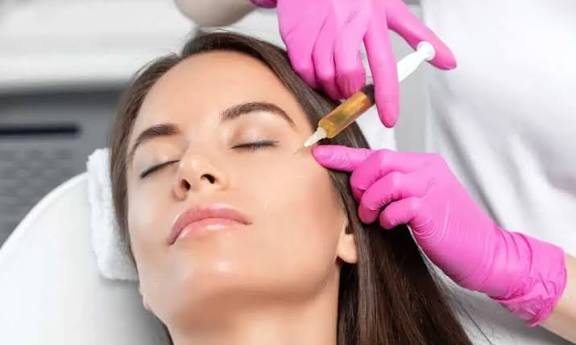
Depending on the assessment, treatment may involve prescription topical products, ingredients that regulate pigment production, chemical peels or selected laser procedures.
Topical treatments may contain ingredients such as azelaic acid, hydroquinone or other dermatologist-recommended compounds. These are selected according to individual needs and should be used under appropriate professional guidance.
Chemical peels involve applying a carefully selected solution to the skin to encourage controlled exfoliation. They may help improve pigmentation in suitable individuals, although the depth and type of peel matter.
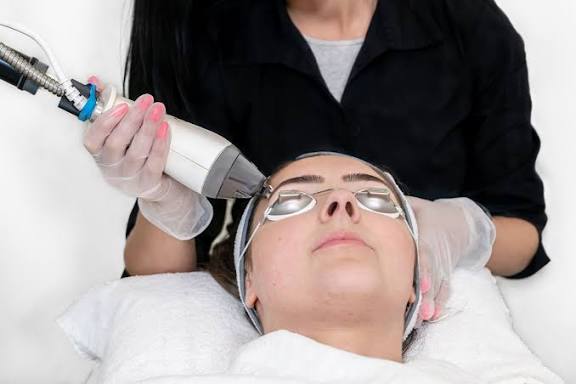
Laser-based approaches use specific wavelengths of light to target pigment. However, lasers are not suitable for everyone, and treatment requires careful assessment, particularly for people with darker skin tones or a history of pigmentation after inflammation.
For readers interested in understanding the available professional options, it provides a relevant starting point for exploring pigmentation care.
Preparing the skin
Before a procedure, the practitioner may recommend adjustments to the skincare routine. This can involve avoiding irritating products and following specific instructions about sun exposure.
Some patients may need a period of preparation before receiving a peel or laser treatment.
During the appointment
The exact experience depends on the selected method. A topical treatment may simply involve receiving instructions about product application. A chemical peel usually involves cleansing the skin, applying the selected solution and monitoring the skin’s response.
For laser procedures, protective eyewear is generally provided, and the practitioner follows a treatment protocol appropriate to the patient’s skin characteristics.
The appointment may involve mild warmth, tingling or temporary discomfort, depending on the procedure.
Aftercare and monitoring
After treatment, patients receive instructions about skincare, sun protection and product use. Follow-up appointments may be recommended to assess progress and decide whether adjustments are needed.
Melasma management is usually gradual rather than immediate, making consistency an important part of the process.
Main Reasons People Choose Melasma Treatment
People consider professional treatment for different reasons, but improving uneven pigmentation is usually the primary goal.
Improving uneven skin tone
Dark patches can create noticeable differences in complexion. Appropriate treatment may help reduce their appearance and create a more balanced-looking skin tone.
Addressing persistent pigmentation
Melasma can remain visible for extended periods and may become more noticeable following sun exposure. Professional assessment helps identify suitable management options rather than relying on unsuitable products.
Supporting overall skin appearance
A carefully selected skincare programme may support skin health alongside pigmentation management. Some complementary procedures can also address texture, although they should not be confused with treatments specifically designed for melasma.
Receiving personalised advice
Different skin types respond differently to pigmentation treatments. Professional guidance helps individuals understand which options may be appropriate for their particular concerns.
Developing a maintenance routine
Since melasma can return, people often appreciate having a structured plan that includes sun protection, suitable skincare and regular professional reviews.
Real Expectations Versus Common Misconceptions
Professional Melasma Treatment can improve the appearance of pigmentation, but it does not guarantee permanent clearance.
One common misconception is that a single appointment will remove every dark patch. In reality, improvement often requires several months of consistent management. Some individuals respond more quickly than others, depending on pigmentation depth, triggers and the selected treatment.
Another misconception is that stronger treatments always produce better outcomes. More aggressive procedures are not necessarily more effective and may increase irritation or trigger additional pigmentation.
It is also important to understand that melasma is a recurring condition. Even after visible improvement, sunlight and other triggers can contribute to its return.
Potential side effects depend on the treatment method. Topical products may cause dryness, redness, irritation or peeling. Chemical peels can produce temporary redness, sensitivity and flaking. Laser procedures may cause temporary swelling, discomfort or changes in pigmentation.
In some cases, inflammation can lead to post-inflammatory hyperpigmentation, particularly in people with darker skin tones.
A professional should explain these possibilities before treatment and discuss how to manage them appropriately.
Melasma Treatment Versus Topical Skincare: A Short Comparison
Both professional treatment and topical skincare can play useful roles in managing pigmentation. The most appropriate option depends on the individual’s skin condition and treatment goals.
| Comparison | Professional Treatment | Topical Skincare |
|---|---|---|
| Assessment | Professional skin evaluation | Product selection based on skin needs |
| Approach | May involve prescription products or procedures | Uses creams, serums and prescribed formulations |
| Supervision | Professional monitoring | Professional advice may be required |
| Treatment intensity | Depends on the selected procedure | Generally gradual |
| Recovery | Varies according to the procedure | Usually minimal, although irritation is possible |
| Maintenance | Requires ongoing skin protection | Requires consistent application and sun protection |
These approaches are not necessarily alternatives to one another. Dermatologists frequently combine topical products with selected procedures when clinically appropriate.
Choosing the Right Clinic and Practitioner
Choosing a qualified practitioner is an important part of managing melasma safely and effectively.
Look for a clinic with appropriately trained dermatology professionals who understand pigmentation disorders and the different ways they can affect various skin types.
A good consultation should involve more than a quick examination. The practitioner should ask about previous skincare products, medical history, hormonal factors, sun exposure and earlier pigmentation treatments.
It is equally important that the proposed treatment is explained clearly. Patients should understand why a particular approach has been recommended, how many sessions may be required and what recovery could involve.
Ask about the practitioner’s experience with pigmentation concerns in your skin type. This is particularly relevant if laser treatment or chemical peels are being considered.
A trustworthy professional will discuss both the potential benefits and limitations without promising flawless or permanent results.
Patients should also receive practical aftercare instructions, including advice on sunscreen, gentle skincare and follow-up assessments.
Frequently Asked Questions
What happens during the first melasma treatment consultation?
The first consultation generally includes a review of medical history, an examination of pigmentation and an assessment of skin type. The practitioner then discusses possible treatment approaches and creates a plan based on individual needs.
How long does professional melasma treatment take to show results?
Results vary according to pigmentation depth, treatment method and individual response. The American Academy of Dermatology notes that improvement commonly takes around three to twelve months. Consistent treatment and sun protection are important throughout this period.
Is laser treatment suitable for every person with melasma?
No. Laser treatment is not appropriate for everyone. Skin tone, pigmentation depth and the possibility of post-inflammatory hyperpigmentation must be considered before selecting a laser-based approach.
Can melasma return after professional treatment?
Yes. Melasma is a recurring pigmentation condition. Even when treatment produces noticeable improvement, sunlight, hormonal influences and other triggers can contribute to recurrence. Long-term maintenance is therefore important.
What should I do after a melasma treatment session?
Follow the practitioner’s instructions carefully. These may include using gentle skincare, avoiding irritating products temporarily and applying broad-spectrum sunscreen. The exact aftercare routine depends on the treatment performed.
Conclusion
Professional Melasma Treatment is a personalised process that begins with understanding the skin and identifying the factors contributing to pigmentation. From the initial consultation to treatment selection and follow-up care, every stage plays a role in achieving realistic improvements.
Although melasma can be persistent, suitable professional guidance, consistent skincare and effective sun protection can help manage its appearance over time. Choosing an experienced practitioner also helps individuals understand the available options and make informed decisions about their skin.
If persistent pigmentation is affecting your confidence or making your complexion difficult to manage, consider arranging a professional consultation. A personalised assessment can help you understand your skin concerns and identify an appropriate treatment plan.