Medically reviewed by Dr. Mohammad Sameer Alsalih
Introduction
Healthy-looking skin is often the result of consistent care, appropriate treatments, and realistic expectations. While daily skincare products help maintain the skin’s surface, some concerns, such as uneven texture, fine lines, reduced elasticity, and visible signs of ageing, may require additional professional attention.
PRP Treatment in Abu Dhabi is an option that can complement a personalised skincare plan by using platelet-rich plasma obtained from the individual’s own blood. This approach is designed to support natural tissue repair processes and may help improve certain aspects of skin quality.
For people concerned about dullness, early ageing, or changes in skin texture, PRP may offer an additional approach to skin rejuvenation. However, it is important to understand what the treatment can achieve, how it works, and how it differs from procedures designed to address deeper structural concerns.
A well-planned skincare routine should consider individual skin needs rather than relying on a single procedure. PRP can form one part of that plan when a qualified practitioner considers it appropriate.
A Quick Overview of PRP Treatment in Abu Dhabi
PRP stands for platelet-rich plasma, a concentrated component of blood containing platelets and growth factors. These biological components participate in the body’s natural healing and tissue repair processes.
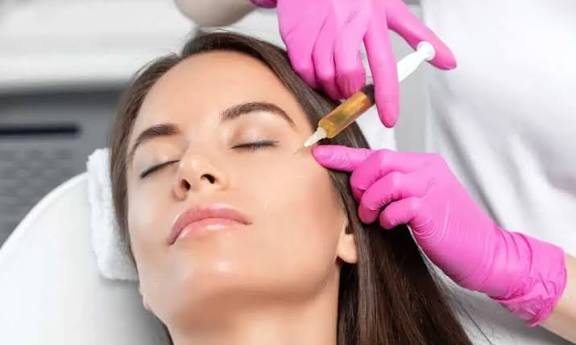
The treatment generally involves collecting a small blood sample, processing it in a specialised centrifuge, and separating the platelet-rich portion from other blood components. The prepared plasma is then applied or introduced into selected areas of the skin using an appropriate clinical technique.
PRP is commonly considered for concerns such as:
- Fine lines and early signs of facial ageing.
- Uneven skin texture.
- Dull or tired-looking skin.
- Reduced skin elasticity.
- Certain concerns involving the delicate under-eye area.
- Skin quality changes associated with ageing.
The procedure is minimally invasive, although the exact technique depends on the treatment area and the practitioner’s assessment.
PRP is not a replacement for every cosmetic procedure. It does not function like a dermal filler, which adds volume, or a skin-tightening procedure specifically designed to produce significant skin retraction.
How PRP Treatment in Abu Dhabi Works at the Skin Level
PRP works by delivering a concentrated preparation of platelets to selected skin tissues, where released growth factors participate in cellular signalling and natural repair processes.
To understand its role, it helps to consider the skin’s structure. The dermis is the deeper layer responsible for much of the skin’s strength, elasticity, and structural support. It contains collagen, elastin, blood vessels, and specialised cells known as fibroblasts.
As skin ages, collagen production and structural organisation gradually change. These processes can contribute to fine lines, reduced firmness, and changes in overall texture.
PRP contains growth factors that may influence fibroblast activity and support processes involved in collagen formation and tissue repair. The aim is to encourage improvements in skin quality rather than mechanically lifting or reshaping facial structures.
For individuals exploring PRP Treatment In Abu Dhabi, understanding the relationship between platelet-rich plasma, the dermis, collagen stimulation, and natural tissue repair helps establish realistic expectations about the procedure.
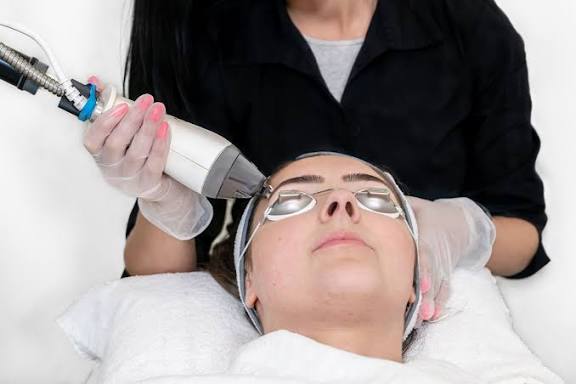
PRP may also be discussed alongside other cosmetic approaches, including microneedling and certain laser procedures. However, a minimally invasive laser works through a different mechanism, using controlled energy to target selected tissues. Neither treatment should automatically be considered a substitute for the other.
It is also important to distinguish the dermis from subcutaneous fat, which lies beneath the skin and contributes to facial volume and contour.
PRP does not directly remove subcutaneous fat, correct pronounced jowls, or guarantee skin retraction around the neck and jawline. People experiencing substantial skin laxity may require a different treatment approach.
Research published in the Journal of Cosmetic Dermatology and other dermatological publications suggests that PRP may improve selected aspects of skin appearance. Nevertheless, differences in preparation methods, treatment techniques, and study designs mean that results are not completely predictable.
Top Benefits of Including PRP in a Skincare Plan
PRP may provide several potential benefits when used for suitable skin concerns. Its main role is to support skin quality rather than produce dramatic structural changes.
Supports Collagen Stimulation
Collagen is an essential structural protein that helps maintain skin firmness and resilience. PRP contains growth factors involved in tissue repair signalling, which may support processes associated with collagen production.
This makes it an option for individuals concerned about early changes in skin texture and firmness.
May Improve Overall Skin Texture
Uneven texture can develop through ageing, environmental exposure, and changes in the skin’s natural renewal processes.
Some clinical studies have reported improvements in facial texture following PRP treatment. However, the extent of improvement varies, and further research is needed to establish the most effective treatment protocols.
Promotes a Refreshed Appearance
People who experience dull-looking skin may consider PRP as part of a broader rejuvenation plan.
By supporting biological repair processes, the treatment may contribute to a healthier-looking complexion over time. It should not be viewed as an instant solution for every cause of dullness.
Uses the Individual’s Own Blood Components
One distinguishing feature of PRP is that it uses platelet-rich plasma prepared from the patient’s own blood.
This makes it different from treatments that introduce manufactured cosmetic substances. Nevertheless, using autologous material does not eliminate procedural risks or make professional assessment unnecessary.
Can Complement Other Skin Treatments
PRP may be incorporated into a broader treatment plan alongside selected procedures, depending on the individual’s skin condition.
For example, a practitioner may discuss combining PRP with microneedling or laser-based skin rejuvenation. The timing and suitability of combined treatments should be determined individually.
Who Is an Ideal Candidate for PRP Treatment?
PRP may be suitable for adults interested in improving selected aspects of skin quality, provided they have realistic expectations and no relevant medical contraindications.
Potential candidates may include people who:
- Have early signs of facial ageing.
- Notice mild changes in skin texture.
- Want to explore collagen-supporting treatments.
- Prefer an approach using their own blood components.
- Are interested in minimally invasive cosmetic procedures.
- Understand that gradual and modest improvements are more realistic than dramatic changes.
However, PRP is not appropriate for everyone.
People with certain blood disorders, platelet abnormalities, active infections, significant anaemia, or conditions affecting normal healing may require additional assessment or may not be suitable candidates.
Those taking anticoagulant or antiplatelet medication should discuss this with their treating clinician. Medication should never be stopped without appropriate medical advice.
Pregnant or breastfeeding individuals may also be advised to postpone elective cosmetic procedures.
A detailed medical history and examination help determine whether PRP is appropriate or whether another approach would better address the person’s concerns.
Preparing for Your PRP Treatment
Preparation helps ensure that the procedure is planned safely and that the patient understands what to expect.
Before treatment, a qualified practitioner should assess the skin, discuss medical history, review current medication, and identify the areas requiring attention.
Patients should also explain any previous cosmetic procedures, known allergies, or history of abnormal bleeding.
The practitioner may provide specific preparation instructions depending on the treatment technique. These may include guidance about skincare products, alcohol consumption, hydration, and medications.
On the day of treatment, the skin is generally cleansed, and a blood sample is collected. The sample is processed using a centrifuge to separate the platelet-rich plasma.
The prepared material is then introduced into the selected treatment area using an appropriate technique.
A single session may be performed as an initial treatment, but it should not automatically be considered sufficient for every patient. The recommended number of sessions depends on the skin concern, treatment method, and individual response.
Patients should discuss the expected treatment plan before proceeding rather than assuming that one appointment will deliver a particular result.
Recovery and Aftercare Tips
The recovery period following PRP is generally manageable, although temporary redness, tenderness, swelling, or small bruises may occur.
The precise recovery experience depends on the application technique, treatment area, and individual skin response.
Following treatment, patients should:
Follow the Practitioner’s Instructions
Aftercare recommendations may differ between injections, microneedling-assisted PRP, and other application techniques.
Follow the instructions provided by the treating practitioner rather than relying on general advice.
Protect the Skin From Sun Exposure
Sun protection remains important after cosmetic procedures. Use an appropriate broad-spectrum sunscreen when advised and avoid unnecessary direct sun exposure during the initial recovery period.
Avoid Irritating Skincare Products
Strong exfoliants, retinoids, and other potentially irritating products may need to be paused temporarily, depending on the treatment technique.
Ask when these products can safely be reintroduced.
Keep the Skin Clean
Gentle cleansing and appropriate skincare help support the skin during recovery. Avoid excessive rubbing, scratching, or manipulating treated areas.
Allow Time for Skin Changes
PRP is not designed to produce immediate structural changes. Any improvements associated with tissue repair and collagen activity may develop gradually.
Patients should attend recommended follow-up appointments so the practitioner can evaluate progress and discuss whether further sessions are appropriate.
Cost Factors to Consider
The cost of PRP Treatment in Abu Dhabi can vary according to several treatment-related factors. Understanding these considerations helps patients evaluate the proposed treatment plan without focusing solely on the price of an individual session.
Important factors include:
- Treatment area: Treating the full face may involve a different approach from focusing on a smaller area, such as the under-eye region.
- Number of sessions: The overall treatment plan may include more than one appointment.
- Preparation technique: Processing equipment, preparation methods, and clinical protocols can influence the treatment setup.
- Practitioner expertise: Relevant training, qualifications, and experience are important considerations when choosing a provider.
- Additional procedures: Combining PRP with microneedling or selected laser treatments may affect the overall treatment plan.
- Follow-up care: Review appointments and individual aftercare requirements may also be considered.
Patients should request a clear explanation of what is included in the proposed treatment plan. A transparent discussion helps them understand the procedure, expected sessions, and follow-up arrangements.
Conclusion: Making PRP Part of a Personalised Skincare Plan
PRP can be a useful consideration for people looking to address selected skin-quality concerns as part of a broader skincare plan. By using platelet-rich plasma and its naturally occurring growth factors, the procedure aims to support biological repair processes and may contribute to improvements in texture, collagen-related skin quality, and overall appearance.
However, it is important to recognise its limitations. PRP does not directly remove subcutaneous fat, provide significant facial lifting, or guarantee skin tightening around the neck and jowls. Results vary according to individual skin characteristics, preparation methods, and treatment protocols.
A successful skincare plan should combine appropriate professional treatments with consistent daily skincare and realistic expectations.
Before choosing PRP, patients should seek an individual consultation and select an experienced, appropriately licensed practitioner who understands cosmetic dermatology and follows suitable clinical protocols. A personalised assessment is the best starting point for deciding whether PRP fits their skin goals.
FAQs
Is PRP Treatment in Abu Dhabi suitable for all skin types?
PRP may be considered for people with different skin types, but suitability depends on individual skin conditions, medical history, and treatment goals. A professional assessment is necessary before proceeding.
Can PRP improve loose skin around the neck and jowls?
PRP may support selected aspects of skin quality, but it is not a reliable substitute for treatments designed to address significant skin laxity. Pronounced jowls and loose neck skin may require other approaches.
Is one PRP session enough to improve skin quality?
A single session may be part of an initial treatment plan, but it does not guarantee visible improvement. Some individuals may require multiple sessions, while others may respond differently. The recommended schedule should be personalised.
How long does the recovery period usually take?
Recovery varies according to the technique and treatment area. Temporary redness, swelling, tenderness, or bruising may occur. The practitioner should provide an individual recovery estimate and aftercare instructions.
Can PRP be combined with laser skin rejuvenation?
In selected cases, PRP may be combined with laser-based treatments. However, these procedures work differently, and their timing, suitability, and potential benefits should be assessed by a qualified practitioner.