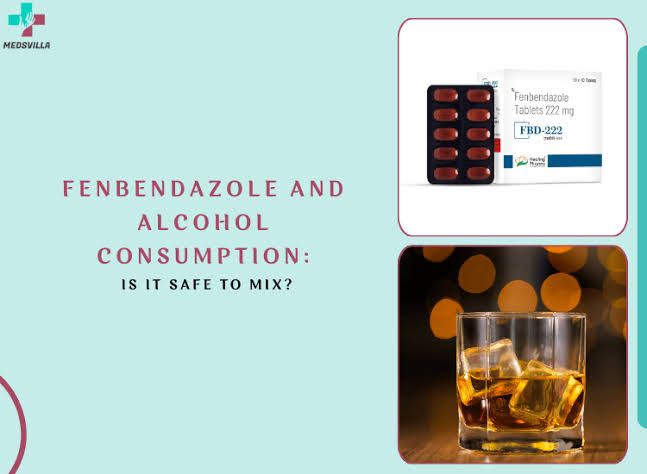
Fenbendazole and alcohol are two substances that may raise safety concerns when used around the same time. Fenbendazole is an antiparasitic medication primarily used in veterinary medicine to treat intestinal worm infections in animals. Alcohol, meanwhile, is processed by the liver and can affect several body functions.
People researching fenbendazole often wonder whether drinking alcohol during treatment can cause side effects, increase liver stress, or affect how the medication works. However, there is limited human research examining the direct interaction between fenbendazole and alcohol. Understanding the potential risks can help people make safer decisions and avoid unnecessary complications.
Is It Safe to Mix Fenbendazole and Alcohol?
There is currently insufficient scientific evidence to establish whether combining fenbendazole and alcohol causes a specific drug interaction in humans.
However, avoiding alcohol while using fenbendazole is a sensible precaution. Fenbendazole is metabolised in the liver, and alcohol consumption can also affect liver health. Combining substances with uncertain human safety profiles may create additional risks.
Another important consideration is that fenbendazole is approved for veterinary use rather than human treatment in the United States. Its appropriate human dosage, long-term safety, and potential interactions have not been adequately established.
Therefore, people should not assume that combining fenbendazole and alcohol is harmless simply because a specific interaction has not been demonstrated.
What Happens When You Mix Fenbendazole and Alcohol?
Although the exact effects are unknown, several potential concerns deserve attention.
1. Increased Concern About Liver Injury
The liver helps process medications, supplements, and alcohol. Excessive alcohol consumption can contribute to liver inflammation and damage.
Fenbendazole has also been associated with cases of drug-induced liver injury in people who have self-administered veterinary formulations.
Combining these exposures may create additional concerns for liver health, although a direct additive interaction between fenbendazole and alcohol has not been established.
Symptoms of possible liver injury include:
- Yellowing of the skin or eyes.
- Dark-coloured urine.
- Persistent nausea.
- Unusual tiredness.
- Abdominal discomfort.
- Loss of appetite.
These symptoms require medical evaluation.
2. Possible Digestive Discomfort
Alcohol can irritate the stomach and digestive tract. Depending on the amount consumed, it may cause nausea, vomiting, stomach irritation, or abdominal discomfort.
Fenbendazole’s effects in humans are not sufficiently understood to determine whether alcohol makes these symptoms worse.
If digestive symptoms develop after taking fenbendazole, avoid further alcohol consumption and seek medical advice.
3. Uncertain Effects on Medication Processing
Alcohol can influence liver metabolism and the processing of certain medications.
However, there is insufficient clinical evidence to determine whether alcohol changes fenbendazole absorption, metabolism, or effectiveness in humans.
It is therefore not appropriate to assume that alcohol either reduces fenbendazole’s effectiveness or increases its concentration in the body.
4. Difficulty Identifying the Cause of Side Effects
When multiple substances are used together, identifying the cause of unexpected symptoms can become more difficult.
For example, nausea, fatigue, or abdominal discomfort could have several possible causes. Healthcare professionals may need to evaluate medication exposure, alcohol consumption, and other health conditions to identify the underlying problem.
Does Alcohol Increase Fenbendazole Side Effects?
There is no reliable human research confirming that alcohol directly increases fenbendazole-related side effects.
Nevertheless, alcohol can independently cause several symptoms, including:
- Headaches and dizziness.
- Nausea and vomiting.
- Dehydration.
- Stomach irritation.
- Poor sleep quality.
People experiencing these symptoms after using fenbendazole should avoid additional alcohol and discuss their exposure with a healthcare professional.
The concern is particularly important for individuals with existing liver conditions or those taking multiple medications.
What About Combining Fenbendazole and Ivermectin With Alcohol?
Some people also search for combination antiparasitic products, including fenbendazole ivermectin pills and fenbendazole ivermectin capsules.
These products are promoted through various online platforms, but their availability does not establish that they are safe or effective for human use.
Ivermectin has approved human medical uses for specific parasitic infections, while fenbendazole remains a veterinary medication without established human therapeutic approval in the United States.
There is also a published 2026 case report describing severe liver injury following the self-administration of veterinary-grade fenbendazole and ivermectin. This highlights the potential dangers of using unapproved veterinary formulations.
People researching the fenbendazole and ivermectin tablets price or ivermectin and fenbendazole pills for humans should understand that online pricing, product descriptions, and customer reviews do not establish medical safety or effectiveness.
Combining these substances with alcohol introduces further uncertainty. Anyone considering antiparasitic treatment should consult a qualified healthcare professional rather than experimenting with veterinary combination products.
What Should You Do If You Accidentally Combine Fenbendazole and Alcohol?
Accidentally consuming alcohol after taking fenbendazole does not automatically mean that a serious complication will occur.
However, taking sensible precautions is important:
- Avoid consuming additional alcohol.
- Do not take extra fenbendazole or other antiparasitic medications.
- Inform your healthcare professional about the amount of alcohol consumed and any medications or supplements used.
- Watch for unusual symptoms, particularly those associated with liver injury.
- Seek medical evaluation if symptoms develop.
If you experience yellowing of the eyes, dark urine, persistent vomiting, significant abdominal pain, or unusual fatigue, seek prompt medical attention.
A healthcare professional may recommend liver function tests depending on your symptoms and exposure history.
Who Should Be Especially Careful?
Certain individuals should be particularly cautious about combining alcohol with substances that have uncertain effects on liver health.
These include:
- People with existing liver disease.
- Individuals who regularly consume excessive alcohol.
- People taking multiple prescription medications.
- Individuals using veterinary medications without medical supervision.
- People experiencing unexplained digestive or liver-related symptoms.
If you fall into one of these categories, discuss your medication and alcohol exposure with a healthcare professional.
Final Thoughts
Mixing fenbendazole and alcohol is not well studied in humans, so the exact effects and potential interaction remain uncertain. However, concerns about liver injury, digestive discomfort, and the unknown human safety profile of fenbendazole make avoiding alcohol during its use a sensible precaution.
Fenbendazole is primarily a veterinary medication, and self-administering it for human health purposes carries potential risks. Combination fenbendazole ivermectin pills products containing fenbendazole and ivermectin also lack established safety for human self-treatment.
If you have already combined these substances, avoid further alcohol consumption and seek medical advice. Prioritising liver health and using medically approved treatments are important steps towards protecting your overall health.