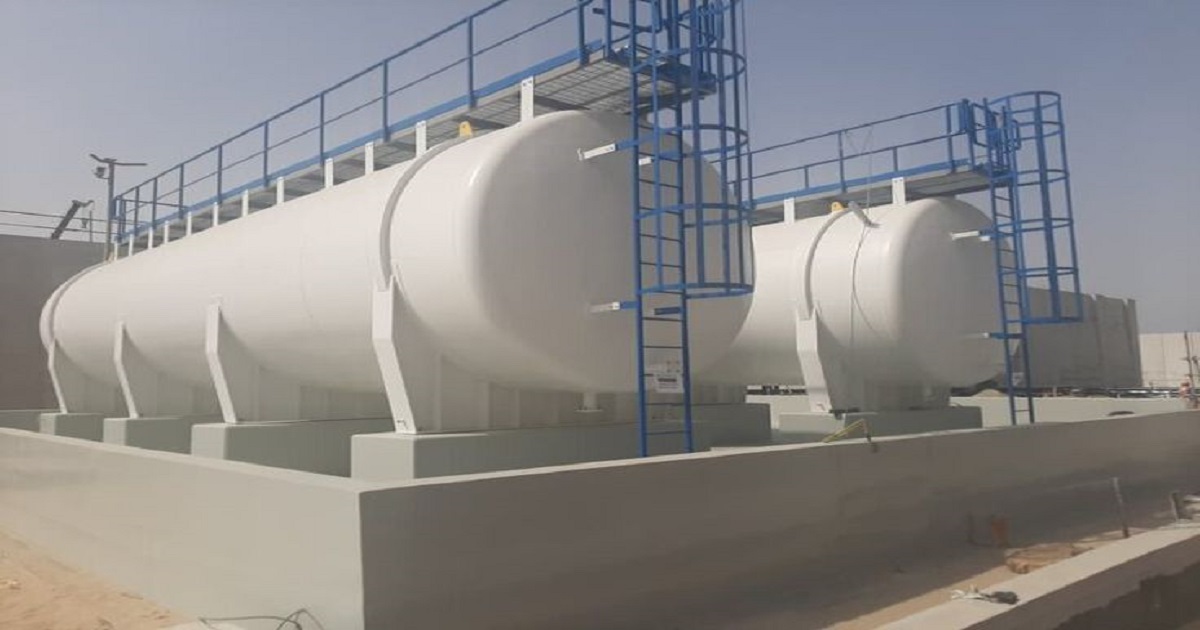
Anyone who has run out of water at 6 a.m. before work knows how fragile household supply can be. Municipal water arrives at odd hours in many cities. Electricity cuts stop motors from pumping, and summer demand rises sharply. A reliable Storage Tank in Pakistan is no longer a luxury for homeowners. It is a basic part of a functioning house.
Choosing the right tank is not as simple as picking the biggest one that fits on your roof. Material, shape, placement, and water quality all affect how well it serves your family over the years. This guide explains the main types of domestic water Storage Tank in Pakistan used across Pakistan, their strengths and weaknesses, and how to choose one that suits your home and budget.
Why Households Need a Water Reservoir
Water supply in most Pakistani cities follows a schedule, not demand. In Lahore, Karachi, Rawalpindi, Faisalabad, and smaller towns like Mian Channun, supply may run for just an hour or two each day. A household tank lets you collect water during that window and use it throughout the day.
Beyond convenience, a good tank gives you:
- Pressure consistency, especially in multi-storey homes
- Backup during outages, whether from load-shedding or pipeline repairs
- Better hygiene, since a sealed tank protects water from dust, insects, and sunlight
- Lower tanker costs, because you buy less often and in planned quantities
Main Types of Domestic Water Tanks
1. Plastic (Polyethylene) Tanks
Plastic tanks are the most common choice in Pakistani homes, and for good reason. They are made from food-grade polyethylene, usually by rotational moulding, which produces a seamless body with no weak joints.
Advantages
- Lightweight and easy to install on rooftops
- Resistant to rust and corrosion
- Available in many capacities, from 500 to 10,000 litres
- Multi-layer versions block sunlight, which limits algae growth
Limitations
- Cheap, thin-walled units can crack under prolonged sun exposure
- Quality varies widely between manufacturers
Practical tip: Look for UV-stabilised, multi-layer tanks. A black outer layer with a white inner layer keeps water cooler and prevents algae. The white inner surface also makes it easy to spot dirt during cleaning.
2. Stainless Steel Tanks
Stainless steel tanks suit homeowners who want longevity and hygiene above all else. They do not leach chemicals, resist bacterial growth, and last for decades if made from proper food-grade steel (usually grade 304).
Advantages
- Excellent durability
- Hygienic and easy to clean
- Strong resistance to heat and weather
Limitations
- Higher upfront cost
- Heavier than plastic, so roof strength matters
- Poor-quality steel can corrode, especially in coastal Karachi
Example: A family in a three-storey house in Gulberg might choose a 1,500-litre stainless steel tank for drinking water, keeping a separate plastic tank for general use. This splits the cost and protects the cleanest supply.
3. RCC (Reinforced Cement Concrete) Tanks
Concrete tanks have long been common in Pakistani construction, particularly for underground reservoirs. They are built on-site during house construction and can hold thousands of litres.
Advantages
- Very high capacity
- Cool water, especially underground
- Long service life when waterproofed correctly
Limitations
- Cannot be moved or modified once built
- Prone to seepage and cracks without proper lining
- Cleaning is more difficult and labour-heavy
Practical tip: Always apply a food-safe waterproofing coating inside. Without it, concrete tanks can develop leaks and harbour bacteria in rough surfaces.
4. Fibreglass (FRP) Tanks
Fibreglass reinforced plastic tanks are less common in homes but are gaining attention. They are strong, lightweight, and resistant to chemicals and corrosion.
Advantages
- High strength-to-weight ratio
- No rust and minimal maintenance
- Good for areas with salty or mineral-rich water
Limitations
- Higher price than standard plastic
- Fewer local suppliers
- Poor-quality resin can degrade under strong UV light
5. Galvanised Iron and Mild Steel Tanks
Older homes often have galvanised iron tanks. They are cheap and sturdy, but they have clear downsides today.
Advantages
- Low initial cost
- Strong and rigid
Limitations
- Corrode over time, which can affect taste and safety
- Heavy to transport and install
- Need regular repainting and inspection
For most modern homes, other materials offer better long-term value.
Choosing a Storage Tank in Pakistan by Placement
Where you place the tank matters as much as what it is made of.
Overhead (Rooftop) Tanks
These are the most popular choice because gravity supplies water to taps without a booster pump. They work well in homes with weak mains pressure.
Tips for overhead installation:
- Place the tank on a solid, level platform that can handle the full weight (1,000 litres of water weighs roughly 1,000 kg)
- Use a lid that fits tightly
- Shade the tank where possible to keep summer water cooler
- Install an overflow pipe to prevent roof damage
Underground Tanks
Underground tanks stay cooler and save roof space. They need a pump to move water upward, which means electricity or a generator backup.
Best for: Larger homes, villas, and houses with limited roof area.
Watch out for: Groundwater seepage, cracks, and contamination from nearby sewage lines. Keep a safe distance from septic tanks and drains.
Ground-Level (Above-Ground) Tanks
These sit in a yard or garage and are easy to inspect and clean. They also need a pump. They work well in homes where rooftop installation is difficult.
Why a Reliable Storage Tank in Pakistan Depends on Quality and Local Fit
Not every tank that looks good on a showroom floor suits Pakistan’s climate. Summer roof temperatures in Punjab and Sindh can exceed 50°C, which stresses cheap materials. Dust storms, hard water, and irregular maintenance all shorten a tank’s life.
Before you buy, check these points:
- Wall thickness and layering, since thicker, multi-layer walls resist heat better
- UV protection, which prevents brittleness and cracking
- Certified food-grade material, especially for drinking water
- Warranty and after-sales support
- Supplier reputation, as established firms like Alpine Industrial Con focus on durable, practical solutions designed for local conditions
Maintenance Tips That Save Money
A tank is not a “fit and forget” item. Poor upkeep leads to bad smell, slime, and health risks.
- Clean every 3 to 6 months. Drain the tank, scrub the walls, and rinse well.
- Keep the lid sealed. Open tanks attract mosquitoes and debris.
- Check the float valve. A faulty valve causes overflow and wastes water.
- Inspect for cracks and leaks. Small damage grows quickly under summer heat.
- Avoid harsh chemicals. Use mild, food-safe cleaners only.
Choosing the right Storage Tank in Pakistan comes down to balancing material, placement, capacity, and budget. Plastic tanks offer the best everyday value, stainless steel delivers premium hygiene, and concrete or underground reservoirs suit larger homes. Whatever you pick, prioritise UV protection, proper installation, and regular cleaning. A well-chosen tank pays you back every day through steady water access, lower tanker bills, and peace of mind. For dependable guidance and quality options, Alpine Industrial Con is a name worth considering.
FAQs
1. Which tank material is best for Pakistan’s hot climate?
Multi-layer, UV-stabilised polyethylene is the most practical choice for most households. Stainless steel is also excellent but costs more. Avoid thin, single-layer tanks that crack in strong summer heat.
2. How often should I clean my household water tank?
Clean it every three to six months. If your water is hard or your area is dusty, clean more often. Regular cleaning prevents algae, sediment, and bacterial growth.
3. What size tank is suitable for a family of five?
A capacity of 1,500 to 2,000 litres usually works well. This gives roughly two days of storage, which helps during supply interruptions and load-shedding.
4. Are underground tanks better than rooftop tanks?
Neither is universally better. Underground tanks keep water cooler and save roof space but need a pump. Rooftop tanks use gravity and are simpler to maintain. The right choice depends on your property and budget.
5. Can I use the same tank for drinking and general household use?
You can, but separate tanks are safer. A dedicated drinking-water tank, preferably stainless steel or food-grade plastic, reduces contamination risk and is easier to keep clean.