
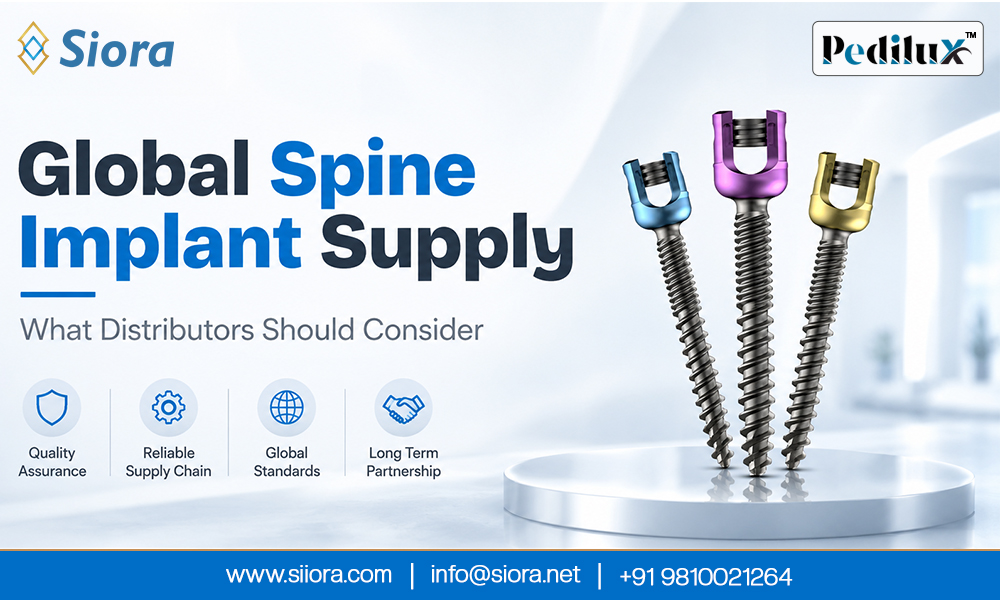
The global demand for spine implants continues to grow as hospitals and orthopedic specialists look for dependable solutions for spinal trauma, degeneration, and other complex conditions. For distributors, however, supplying spine implants is about more than finding products at a competitive price. Product quality, regulatory requirements, manufacturing consistency, documentation, and supplier support all influence whether a partnership can work successfully in the long term.
For distributors entering or expanding in the spine implant market, understanding these factors can make supplier selection much easier.
Product Quality Should Come First
Spinal implants are used in procedures where precision and reliability matter greatly. A distributor should therefore examine the quality standards followed by the manufacturer before discussing pricing or order volumes.
The product range may include pedicle screw systems, rods, cages, cervical implants, plates, and other spinal fixation components. Each product should be manufactured with appropriate materials and controlled processes. Consistent dimensions, surface finishing, thread quality, and compatibility between implants and instruments are practical details that deserve attention.
A manufacturer with established quality management systems can also provide distributors with greater confidence when introducing products to hospitals and surgical professionals.
Check Regulatory Documentation
Regulatory compliance is an important part of international spine implant supply. Requirements can vary considerably from one country to another, so distributors should understand what documentation is available for the products they intend to import.
Before finalizing a supplier, it is useful to review certificates, technical documentation, product specifications, material information, labeling requirements, and other relevant records. Proper documentation can simplify registration and market-entry procedures while reducing avoidable delays.
Distributors should also confirm whether the manufacturer has experience supplying products to international markets. Familiarity with export documentation and regulatory expectations can make communication and order processing more straightforward.
Manufacturing Capacity and Consistency
A supplier may offer attractive products, but distributors also need to consider whether the manufacturer can maintain consistent supply as demand increases.
Manufacturing capabilities, quality inspections, production planning, packaging, and inventory management can all affect delivery schedules. A distributor supplying hospitals or regional dealers cannot easily manage repeated delays caused by limited production capacity.
It is worth discussing expected order quantities, lead times, customization requirements, and repeat-order procedures before establishing a long-term relationship.
Instrument Compatibility Matters
Spine implants are generally used alongside dedicated surgical instruments. This makes compatibility an important consideration when evaluating a product range.
Distributors should check whether the manufacturer can supply complete systems rather than isolated implants where appropriate. Clear implant-instrument compatibility information can help hospitals understand the system and may also simplify procurement.
For international distributors, availability of instrument sets, replacement components, and technical information can become particularly important when supporting customers after the initial sale.
Evaluate OEM and Private-Label Options
Some distributors prefer to develop their own brand rather than sell products under a manufacturer’s name. In such cases, OEM and private-label manufacturing can provide additional flexibility.
Before choosing this route, distributors should discuss branding, packaging, labeling, minimum order quantities, product customization, documentation, and quality requirements with the manufacturer. A clear agreement at the beginning can prevent misunderstandings later.
Communication and Long-Term Support
Good communication often becomes one of the most important factors in an international supplier relationship. Distributors should look for manufacturers that respond clearly to technical questions, provide accurate documentation, and maintain predictable communication regarding production and shipments.
After-sales support also matters. Product training materials, technical information, replacement instruments, and assistance with new product requirements can help distributors serve their customers more effectively.
Choosing a Spine Implant Manufacturing Partner
Global spine implant supply requires careful consideration beyond product pricing. Quality, regulatory documentation, manufacturing capability, system compatibility, customization options, and ongoing support should all form part of the evaluation.
For distributors, a reliable manufacturing partner is one that can combine consistent product quality with dependable supply and practical international support. Taking time to assess these areas before entering a partnership can create a stronger foundation for sustainable growth in the global spine implant market.


