

Ever wondered how you’re supposed to charge your electric vehicle when you live in an apartment? Are you tired of driving to public charging stations every time your battery runs low? And have you been putting off buying an EV simply because you’re not sure how charging would work in your building?
You’re definitely not alone. As more Australians make the switch to electric vehicles, apartment dwellers face a unique challenge. Unlike homeowners who can easily install a charger in their garage, those living in multi-unit dwellings often navigate a maze of body corporate approvals, shared electrical infrastructure, and complex cost-sharing arrangements.
In this guide, we’ll break down everything you need to know about getting an EV charger installed in your apartment building. From understanding the different types of chargers available to tackling body corporate negotiations, we’ve got you covered. You’ll discover the real costs involved, explore efficient charging solutions that work for everyone, and learn how to future-proof you’re building for the electric revolution. Let’s get stuck into it.
Understanding EV Charging Options for Multi-Unit Dwellings
Types of EV Chargers Suitable for Apartments
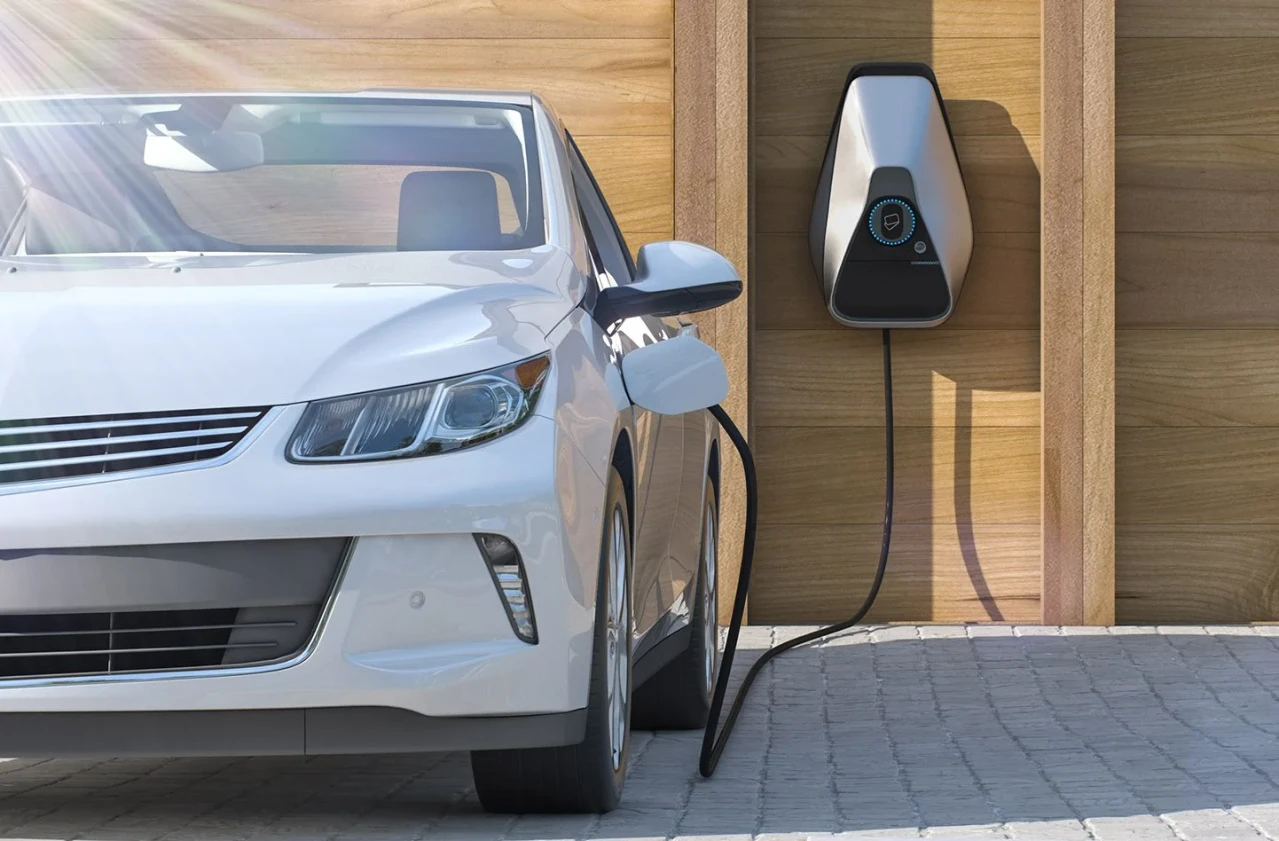
When it comes to apartment buildings, not all chargers are created equal. The most common options include wall-mounted units, pedestal chargers, and networked commercial stations. Wall-mounted chargers work brilliantly in car parks with individual spaces, while pedestal units suit shared parking areas.
Networked chargers offer smart features like user authentication, billing integration, and remote monitoring. These are particularly handy for buildings with multiple EV owners, as they track usage and split costs fairly.
Level 1 vs Level 2 vs DC Fast Charging: What Works Best?
Level 1 charging uses a standard household outlet and adds roughly 8-12 kilometres of range per hour. It’s slow but requires minimal infrastructure changes. Level 2 chargers are the sweet spot for apartments, delivering 30-50 kilometres per hour of charge—perfect for overnight charging.
DC fast chargers, while incredibly quick, typically aren’t practical for residential buildings due to their massive power requirements and high costs. For most apartment dwellers, Level 2 charging hits the ideal balance between speed, cost, and practicality.
Shared vs Dedicated Charging Stations
Should your building install chargers for individual spaces or create shared charging bays? Dedicated stations work well when residents have assigned parking spots. Shared stations, on the other hand, maximise usage across fewer chargers and reduce overall installation costs.
Many buildings opt for a hybrid approach—installing dedicated chargers for committed EV owners while providing shared stations for occasional users or visitors.
Can You Install an EV Charger in an Apartment Building?
Body Corporate Approval and Strata Regulations in Australia
The short answer is yes, but you’ll need to jump through some hoops. In Australia, installing an EV charger in common property typically requires body corporate approval. This usually means submitting a formal motion at a general meeting.
Recent legislative changes in several states have made this process easier. Queensland, New South Wales, and Victoria have all introduced reforms to streamline EV charger approvals in strata buildings.
Legal Rights for EV Owners in Rental Properties
Renters face additional challenges, as they generally need both landlord and body corporate approval. However, some states are introducing “right to charge” legislation that prevents unreasonable refusals.
If you’re renting, start by having a conversation with your landlord. Present the benefits clearly—EV charging infrastructure can increase property values and attract quality tenants.
Common Obstacles and How to Overcome Them
The biggest hurdles include electrical capacity limitations, concerns about fairness, and upfront costs. Address these by commissioning an electrical assessment, proposing user-pays models, and highlighting available government incentives.
How Much Does It Cost to Install an EV Charger in an Apartment?
Equipment and Installation Costs
A quality Level 2 charger typically costs between $1,500 and $3,000 for the unit itself. Installation costs vary wildly depending on your building’s existing infrastructure—anywhere from $500 for straightforward installations to $5,000 or more for complex setups.
The distance from the electrical supply to the charging point significantly impacts costs. Longer cable runs mean higher installation expenses.
Electrical Infrastructure Upgrades
Older buildings may require switchboard upgrades or increased supply capacity. These upgrades can add $5,000 to $20,000 to the overall project cost, depending on the scope of work needed.
Smart load management systems can help avoid expensive infrastructure upgrades by distributing available power efficiently across multiple chargers.
Government Rebates and Incentives Available in Australia
Several Australian states offer rebates for EV charger for apartment installations. The Victorian Government, for instance, provides incentives for both residential and commercial installations. Check your state’s current offerings, as these programs frequently update.
Federal tax incentives may also apply for body corporates installing charging infrastructure as a business expense.
Efficient Charging Solutions for Apartment Buildings
Smart Load Management Systems
Smart load management is a gamechanger for apartment buildings. These systems monitor available electrical capacity and distribute power across multiple chargers dynamically. When one car finishes charging, power redirects to the next vehicle automatically.
This technology allows buildings to install more chargers without costly electrical upgrades—a win for everyone involved.
Solar-Integrated EV Charging
Pairing EV chargers with rooftop solar makes brilliant sense for apartment buildings. Residents can charge their vehicles using clean, cheap solar power during the day, reducing both costs and environmental impact.
Some systems even allow EV batteries to feed power back into the building during peak demand periods, creating additional value.
Billing and Cost-Sharing Solutions for Residents
Modern EV chargers come with sophisticated billing platforms that track individual usage and automatically charge users. This eliminates disputes about who owes what and makes cost recovery straightforward.
Apps allow residents to monitor their charging sessions, view costs in real-time, and receive notifications when charging completes.
Who Pays for EV Charging in Apartment Buildings?
Individual Metering Options
Individual metering connects each charger to a specific apartment’s electricity meter. This approach is completely fair—you only pay for what you use. However, it requires additional wiring and may not be feasible in all buildings.
User-Pays Models and Apps
The most popular solution involves networked chargers with integrated payment systems. Users tap a card or use an app to start charging, and costs are automatically billed to their account.
This model works for both dedicated and shared charging stations, providing flexibility and transparency.
Body Corporate Cost-Sharing Arrangements
Some body corporates choose to absorb charging costs into general levies, particularly when charger usage benefits property values. Others establish separate EV charging levies for participating residents only.
The right approach depends on your building’s specific circumstances and resident preferences.
Best EV Chargers for Apartment Buildings in Australia
Top-Rated Commercial EV Charging Stations
Popular options in Australia include the Tesla Wall Connector, Fronius Wattpilot, and Schneider Electric’s Evlin range. For networked commercial solutions, brands like Tritium, EVSE Australia, and ChargePoint offer reliable options with excellent support.
Consider chargers with OCPP (Open Charge Point Protocol) compliance, as this allows flexibility in choosing network providers.
Features to Look for When Choosing a Charger
Prioritise chargers with built-in load management, user authentication, and billing capabilities. Weather resistance matters for outdoor installations, and cable length should suit your parking layout.
Look for units with good warranties and local support—you’ll want responsive service if something goes wrong.
How to Convince Your Body Corporate to Install EV Chargers
Building a Business Case
Present the financial benefits clearly. EV charging infrastructure increases property values, attracts environmentally conscious buyers and renters, and positions your building for the future.
Include data on EV adoption trends—by 2030, a significant portion of new car sales will be electric. Buildings without charging will become less desirable.
Addressing Common Concerns from Other Residents
Non-EV owners often worry about paying for infrastructure they won’t use. Address this by proposing user-pays models where EV owners cover all costs.
Reassure residents about safety—modern EV chargers are thoroughly tested and include multiple safety features.
Future-Proofing Your Apartment Building for Electric Vehicles
Even if your building isn’t ready for full charger installation today, consider installing EV-ready infrastructure. Running conduits and preparing electrical capacity now costs far less than retrofitting later.
Designate future charging zones in your parking layout and include EV infrastructure in any planned renovations. The buildings that act now will reap the rewards as EV adoption accelerates.
Taking the Next Step Towards EV-Ready Living
Getting an EV charger installed in your apartment building might seem daunting, but it’s absolutely achievable. With the right approach—understanding your options, building a compelling case, and choosing efficient charging solutions—you can make it happen.
The key is starting the conversation early. Talk to your body corporate, gather support from fellow residents, and explore the incentives available in your state. Remember, you’re not just solving a charging problem—you’re increasing your property’s value and preparing for an electric future.
Ready to take action? Begin by requesting an electrical assessment of your building and researching the specific rebates available in your area. Your future self—and your electric vehicle—will thank you for it.

