Introduction
The appearance of the eyes can influence overall facial expression, making them an important feature of facial aesthetics. Drooping eyelids, excess skin around the eyes, and puffiness beneath the lower eyelids can sometimes create a tired or older appearance. For individuals who want to improve the appearance of their eye area, understanding the available treatment options is an important first step. Eyelid Surgery in Abu Dhabi is a procedure that may be considered by people who want to address excess eyelid skin, prominent under-eye bags, or changes in the natural contours of their eyes. Before making a decision, it is essential to understand the purpose of the procedure, the concerns it can address, the consultation process, and the factors that influence the final results. Learning about these aspects can help individuals develop realistic expectations and determine whether eyelid surgery aligns with their personal aesthetic goals.
Understanding What Eyelid Surgery Involves
Eyelid surgery, also known as blepharoplasty, is a surgical procedure designed to improve the appearance of the upper eyelids, lower eyelids, or both. It may involve removing or repositioning excess skin and adjusting underlying tissue to create a smoother and more defined eyelid contour. The specific approach depends on the individual’s anatomy and the concerns being addressed.
Upper eyelid surgery generally focuses on excess skin that creates a heavy appearance above the eyes. Lower eyelid surgery may address prominent under-eye bags or changes in the distribution of tissue beneath the eyes. Some individuals may benefit from treatment involving both areas, while others may require attention to only one eyelid region.
Understanding the differences between these approaches is important before considering the procedure. A suitable treatment plan should reflect the person’s facial structure, skin characteristics, and desired outcome rather than following a standard approach for everyone.
Common Reasons for Considering Eyelid Surgery
People consider eyelid surgery for several aesthetic and functional reasons. One common concern is excess skin on the upper eyelids, which may become more noticeable as the skin loses elasticity with age. This can make the eyes appear smaller or heavier and may affect the balance of the upper face.
Another concern is puffiness beneath the eyes. Changes in the tissues surrounding the eyes can contribute to under-eye bags that remain noticeable even when a person feels rested. Some individuals also experience loose skin beneath the lower eyelids, creating a less smooth transition between the eyes and cheeks.
In certain cases, excess upper eyelid skin can interfere with the upper field of vision. When functional concerns are present, an appropriate medical assessment is particularly important to determine the cause and whether surgery may be suitable.
However, eyelid surgery does not address every concern around the eyes. Dark circles, fine lines caused by repeated facial expressions, skin pigmentation, and hollowness may require different approaches. Identifying the main concern helps establish realistic expectations.
Who May Be a Suitable Candidate?
Suitability for eyelid surgery depends on several individual factors. Adults who have excess eyelid skin, prominent under-eye bags, or changes in eyelid contours may wish to explore the procedure. However, the presence of these concerns alone does not automatically mean that surgery is the most appropriate option.
A comprehensive consultation helps assess skin quality, eyelid position, facial proportions, and general health. The assessment may also consider existing eye conditions, tear production, eyelid function, and previous eye-related procedures.
Individuals should be prepared to discuss their medical history and any concerns that could influence surgical planning. Certain health conditions or eye-related issues may require additional assessment before a procedure can be considered.
Personal expectations also matter. People seeking a refreshed appearance while preserving their natural facial identity may find it useful to discuss their goals in detail. A suitable candidate should understand what the procedure can realistically achieve and recognize that individual results vary.
What to Expect During the Consultation
The consultation is an essential stage of the decision-making process. It provides an opportunity to discuss concerns, review treatment options, and understand the likely approach based on individual anatomy.
During the assessment, the eyelids may be examined for excess skin, tissue distribution, asymmetry, and the position of the surrounding structures. The eye area may also be assessed for dryness, irritation, tear production concerns, or other conditions that could influence the treatment plan.
Individuals should explain whether their primary concern involves drooping upper eyelids, under-eye bags, loose skin, or a combination of these features. Sharing clear aesthetic goals can help establish an appropriate plan.
The consultation should also include a discussion of the expected recovery period, postoperative care requirements, and the limitations of the procedure. Asking questions and obtaining clear explanations can help individuals make an informed decision without feeling rushed.
Understanding the Different Surgical Approaches
Upper eyelid surgery and lower eyelid surgery address different anatomical concerns. Upper eyelid surgery generally focuses on excess skin and, when appropriate, adjustments to underlying tissue. The goal is to create a more defined eyelid contour while maintaining a natural appearance.
Lower eyelid surgery concentrates on the area beneath the eyes. Depending on the individual’s anatomy, the approach may involve removing or repositioning tissue associated with under-eye bags and addressing selected concerns involving loose skin.
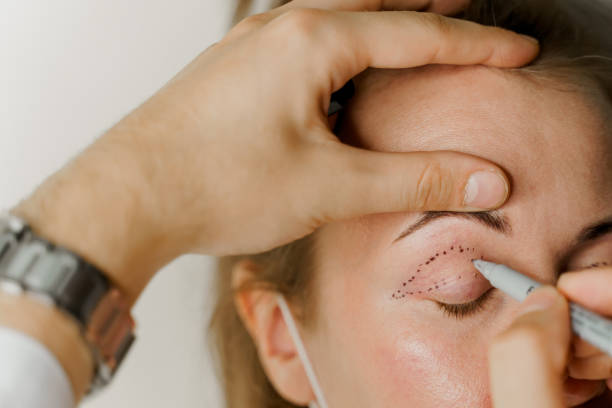
Some procedures use incisions placed within the natural crease of the upper eyelid, where the resulting scar may be less noticeable after healing. For selected lower eyelid procedures, an incision may be placed inside the eyelid or along the lower lash line. The appropriate technique depends on the condition being treated and the surgeon’s assessment.
Not every person requires the same approach. The decision should consider the amount of excess skin, the position of the eyelid, the condition of the surrounding tissues, and the desired outcome.
Preparing for the Procedure
Preparation begins with following the instructions provided during the preoperative assessment. Individuals should share complete information about their health, existing eye concerns, previous procedures, and all medications or supplements they use.
A healthcare professional may recommend specific evaluations before surgery, particularly when there are concerns about vision, tear production, or eyelid function. Any medication adjustments should be made only under appropriate medical guidance.
Planning for recovery is equally important. Individuals may need time away from work and regular activities while swelling and bruising improve. Arranging transportation and assistance during the initial recovery period can also make the process more manageable.
Understanding the preparation requirements in advance helps people approach the procedure with greater confidence and fewer uncertainties. Following individualized instructions is essential because preparation needs can differ from one person to another.
Recovery and Healing Expectations
Recovery after eyelid surgery varies according to the surgical approach, the extent of treatment, and individual healing characteristics. Swelling, bruising, and temporary changes in the appearance of the eye area are common parts of the early healing process.
During the initial recovery period, individuals are generally advised to follow the postoperative instructions provided by their healthcare team. These instructions may cover eyelid care, activity restrictions, follow-up appointments, and the appropriate timing for returning to everyday routines.
The appearance of the eyelids changes as healing progresses. Early swelling may temporarily affect the symmetry and definition of the treated area, so the initial appearance should not be considered the final result.
It is important to attend recommended follow-up appointments and communicate any unexpected changes to the treating healthcare professional. Patience during recovery helps individuals understand the gradual nature of the healing process.
Expected Results and Realistic Expectations
The purpose of eyelid surgery is to improve selected features around the eyes rather than completely change a person’s appearance. The results may include a smoother upper eyelid contour, reduced prominence of under-eye bags, or a more refreshed overall expression.
The degree of improvement depends on the original anatomy, skin elasticity, tissue characteristics, and surgical approach. Natural differences between the two sides of the face may remain, and perfect symmetry cannot be guaranteed.
Eyelid surgery also does not stop the natural ageing process. Changes in skin elasticity and facial tissues may continue over time, meaning that the appearance of the eyelids can gradually evolve after surgery.
Individuals should discuss their priorities clearly and understand the realistic boundaries of the procedure. A balanced understanding of possible outcomes supports more confident and informed decision-making.
Conclusion
Before considering eyelid surgery, it is important to understand the procedure, identify the concerns that need attention, and evaluate personal suitability. Learning about the differences between upper and lower eyelid surgery, preparing for the consultation, and understanding the recovery process can help individuals approach treatment with realistic expectations. A thorough assessment is essential for determining whether surgery is appropriate and which approach may best suit the individual’s needs. By prioritizing informed decisions, clear communication, and individualized planning, people can better understand how eyelid surgery may contribute to their aesthetic or functional goals.
Frequently Asked Questions
What is eyelid surgery designed to improve?
Eyelid surgery is designed to address concerns such as excess upper eyelid skin, prominent under-eye bags, and selected changes in eyelid contours. The treatment approach depends on the individual’s anatomy and goals.
What is the difference between upper and lower eyelid surgery?
Upper eyelid surgery focuses primarily on excess skin and tissue above the eyes, while lower eyelid surgery addresses concerns such as under-eye bags and selected forms of loose skin beneath the eyes.
Who should consider eyelid surgery?
Adults concerned about excess eyelid skin, under-eye bags, or certain functional difficulties may consider an assessment. Suitability depends on individual anatomy, general health, eye health, and expectations.
Does eyelid surgery change the natural shape of the eyes?
The goal is generally to improve eyelid contours while maintaining a natural appearance. The expected changes depend on the surgical technique, existing anatomy, and treatment plan.
How long does recovery from eyelid surgery take?
Recovery varies between individuals. Initial swelling and bruising generally improve over the first few weeks, while subtle changes in healing and scar maturation may continue for longer.
Can eyelid surgery address dark circles?
Eyelid surgery may improve under-eye bags or selected tissue-related concerns, but it does not reliably address every cause of dark circles. Pigmentation, hollowness, and skin characteristics may require separate evaluation.
What should be discussed during an eyelid surgery consultation?
Individuals should discuss their aesthetic or functional concerns, medical history, eye health, treatment options, recovery expectations, and the likely limitations of the procedure.
Are the results of eyelid surgery permanent?
The procedure can provide long-lasting changes, but it does not stop natural ageing. Skin and facial tissues may continue to change over time.
Can upper and lower eyelid surgery be performed together?
In suitable cases, both procedures may be performed during the same treatment session. The decision depends on individual anatomy, health considerations, and the recommended surgical plan.
Why is an individual assessment important before eyelid surgery?
An individual assessment helps determine the cause of the concern, evaluate eye and eyelid health, establish realistic expectations, and identify the most appropriate treatment approach.