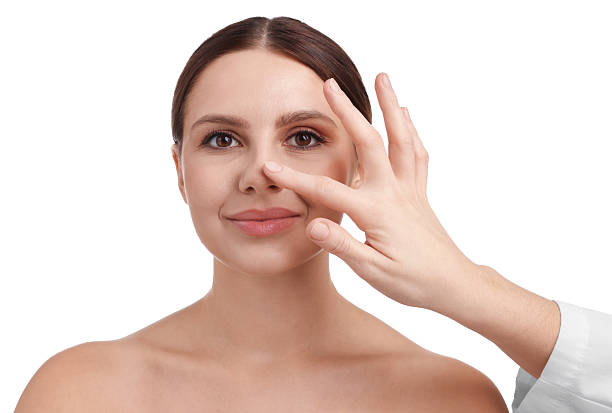
Uneven nose contours can make the face appear less balanced, even when the differences are subtle. Liquid Rhinoplasty in Abu Dhabi may be suitable for some people who want to soften small dips, bumps, or asymmetries without surgery. It uses carefully placed injectable filler to adjust the nose’s visible shape. Whether it is appropriate depends on the type of unevenness, the person’s anatomy, and their expectations.
Understanding Uneven Nose Contours
Nose contours can look uneven for several reasons. A small bump along the bridge, a shallow area beside it, or slight differences between the two sides may affect how light and shadow fall across the nose. Some people have these features naturally, while others notice changes after an injury or previous procedure.
Not every concern is the same. A contour irregularity is different from a breathing problem or a major structural concern. Injectable treatment focuses on appearance; it does not correct internal nasal structures or improve airflow.
How Liquid Rhinoplasty Can Adjust the Appearance
Liquid rhinoplasty involves placing filler in selected areas to create a smoother-looking profile. Rather than removing tissue, the filler adds volume. This can make a small indentation appear less noticeable or help create a more continuous line across the bridge.
The treatment may be considered for:
- A mild dip or shallow area
- A small bump that could look less prominent when nearby areas are balanced
- Slight asymmetry visible from the front or side
- Minor contour changes after healing from an earlier procedure
Results depend on the individual nose and the placement plan. Adding volume can improve the appearance of one contour while making another area look fuller, so a careful assessment is essential.
Who May Be a Suitable Candidate?
A person with a mild, localized contour concern may be a possible candidate. The approach is generally more relevant when the goal is a subtle visual adjustment rather than a dramatic change in nose size or structure.
A professional assessment can help determine suitability by considering:
- The location and extent of the unevenness
- The thickness and shape of the surrounding tissue
- The nose’s profile and front-facing appearance
- Previous nasal procedures or injuries
- The person’s overall health and treatment goals
Expectations also matter. Filler can camouflage certain irregularities, but it cannot make every nose perfectly symmetrical. Facial features naturally vary from side to side, and a realistic plan aims for improved balance rather than absolute uniformity.
When Another Approach May Be More Appropriate
Liquid rhinoplasty may not suit someone seeking a smaller nose, a narrower bridge, a substantially changed tip, or correction of a significant structural issue. Because filler adds volume, it cannot reduce the nose’s size. It also cannot address internal concerns that affect breathing.
If the unevenness is pronounced or linked to the underlying structure, a qualified practitioner may discuss whether a different form of assessment is needed. The decision should be based on anatomy and goals, not on a promise that one technique can solve every concern.
What to Expect During an Assessment
An assessment usually begins with a conversation about the person’s concerns and desired outcome. The practitioner may examine the nose from different angles and discuss which areas could be adjusted. They should explain what filler can realistically achieve and identify any limitations.
The person can ask how the proposed changes may affect the nose’s overall proportions, how long results may last, and what follow-up may involve. Clear communication helps prevent misunderstandings. It is also reasonable to pause or decline treatment if the plan does not feel suitable.
Questions to Ask Before Treatment
Before deciding, a person may wish to ask:
- Is the unevenness suitable for filler-based correction?
- Which areas would be treated, and what visual change is realistic?
- What qualifications and experience does the practitioner have?
- What type of filler is proposed, and why?
- What follow-up arrangements are available?
- What alternatives should be considered for this particular concern?
These questions support an informed decision and encourage a discussion tailored to the individual rather than a standard treatment plan.
Frequently Asked Questions
Can liquid rhinoplasty make an uneven nose perfectly symmetrical?
It can sometimes make a mild contour difference less noticeable, but perfect symmetry is not a realistic expectation. Natural facial asymmetry is common, and filler changes visible contours rather than the underlying structure.
Can it reduce the size of a nose?
No. The technique adds volume to selected areas, so it cannot make the nose smaller. A person seeking a reduction or major reshaping may need to explore other options with a qualified professional.
Is it suitable for every type of bump?
Not necessarily. A small bump may appear less prominent when nearby areas are balanced, but results depend on the bump’s size, shape, and position. An assessment is needed to determine whether adding volume would create a balanced appearance.
Can filler correct breathing concerns?
No. Liquid rhinoplasty is intended to adjust external appearance. It does not correct internal nasal structures or treat breathing difficulties. Anyone with airflow concerns should seek an appropriate medical assessment.
How long do the results last?
The duration varies according to the filler used, the person’s anatomy, and how their body responds. The practitioner can explain the expected timeframe and whether future appointments may be considered.
Making a Thoughtful Decision
Liquid Rhinoplasty in Abu Dhabi may suit people who want a modest improvement to mild, uneven nose contours. Its main role is to create visual balance by adding volume in carefully selected areas. It is not a way to reduce the nose, resolve breathing concerns, or correct every structural difference.