Laser tattoo removal is a treatment designed to reduce or eliminate unwanted tattoo ink by using targeted laser energy. People consider this procedure for many reasons, including changes in personal preferences, professional requirements, or the desire to prepare an area for a new tattoo design. Laser Tattoo Removal Abu Dhabi offers an approach to addressing unwanted tattoos through specialized laser technology. Although the treatment can be adapted to different skin tones, suitability depends on an individual assessment rather than skin color alone. Understanding these factors is essential for setting realistic expectations and selecting an appropriate treatment approach.
How Does Laser Tattoo Removal Work?
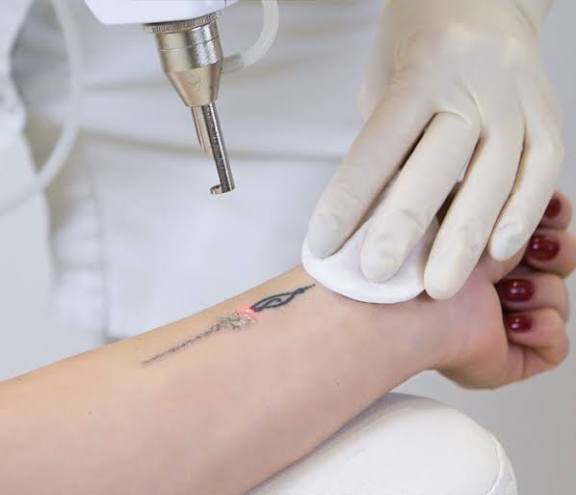
Laser tattoo removal uses focused pulses of light energy to target tattoo pigments within the skin. The energy interacts with the ink particles, breaking them into smaller fragments that the body’s natural processes can gradually clear away.
The treatment generally requires multiple sessions because tattoo ink is distributed at different depths and may contain several colors. Each session targets remaining pigment, allowing the tattoo to become progressively lighter over time.
The laser technology and settings are selected according to the tattoo’s characteristics and the person’s skin. This individualized approach helps practitioners determine an appropriate treatment plan for different skin tones and tattoo designs.
Is Laser Tattoo Removal Suitable for Every Skin Tone?
Laser tattoo removal may be suitable for people with light, medium, and dark skin tones, but the treatment must be carefully tailored to individual needs. Skin tone influences how laser energy interacts with natural skin pigment as well as tattoo ink.
Lighter skin tones may provide a greater contrast between the tattoo pigment and the surrounding skin, depending on the ink color. Darker skin tones contain more melanin, which can also absorb certain laser wavelengths. Therefore, selecting suitable equipment and treatment settings is particularly important.
A qualified practitioner should assess skin tone, pigmentation patterns, tattoo characteristics, and previous treatment history before recommending a procedure. This evaluation helps determine whether the available technology is appropriate for the individual’s skin.
How Does Skin Tone Influence Treatment Selection?
Skin tone is an important consideration when selecting laser technology. Different laser wavelengths interact differently with tattoo pigments and natural melanin. Choosing an appropriate wavelength can help target unwanted ink while limiting unnecessary energy absorption by the surrounding skin.
For individuals with lighter skin, certain laser approaches may be suitable for treating dark tattoo pigments. For medium and darker skin tones, the practitioner may need to consider wavelengths that are less readily absorbed by melanin.
Treatment settings may also be adjusted according to the skin’s response. In some cases, a more gradual treatment approach may be recommended to support appropriate pigment clearance while protecting the surrounding tissue.
An individualized assessment is therefore more useful than relying on general assumptions about which skin tones can receive laser tattoo removal.
Can Laser Tattoo Removal Treat Different Tattoo Colors?
Tattoo color is another important factor when determining treatment suitability. Different pigments absorb different wavelengths of laser energy, which means one laser setting may not be equally effective for every color.
Black and dark blue inks often respond well to commonly used tattoo-removal lasers. Red, orange, green, and other colored pigments may require different wavelengths, depending on their composition.
Some colors can be more challenging to remove completely. The tattoo’s age, density, depth, and the type of ink used can also influence the outcome.
During a consultation, the practitioner can assess the tattoo and explain which pigments are likely to respond to the available technology. This helps establish realistic expectations about the degree of fading that may be achieved.
Does Tattoo Location Affect Treatment Suitability?
The location of a tattoo can influence the treatment plan and the rate at which visible fading occurs. Tattoos on areas with different circulation patterns, skin thickness, and exposure to environmental conditions may respond differently.
For example, a tattoo on the arm may progress differently from one on the ankle or foot. The size of the tattoo and the density of its ink can also affect the number of sessions required.
The surrounding skin should be examined before treatment to identify areas that may need special consideration. A personalized approach helps determine the appropriate treatment parameters for the tattoo’s location and the person’s skin characteristics.
What Factors Determine Laser Tattoo Removal Results?
Several factors influence how effectively a tattoo responds to laser treatment. Skin tone is one consideration, but it is not the only factor that determines the final outcome.
The color and chemical composition of the tattoo ink can influence how readily the laser targets the pigment. Darker inks may respond differently from lighter or multicolored designs.
Tattoo depth and ink density are also important. Professionally applied tattoos may contain more concentrated or deeply deposited pigment than some amateur tattoos, although individual results vary.
The age of the tattoo can influence its appearance and the amount of pigment remaining in the skin. Older tattoos may already have experienced some natural fading, while newer tattoos can contain more visibly concentrated ink.
Individual skin characteristics, the laser technology used, and the interval between treatment sessions also contribute to the overall process. Because these variables differ from person to person, complete removal cannot be guaranteed.
How Many Sessions May Be Needed?
Laser tattoo removal usually involves several sessions rather than a single treatment. The number required depends on the tattoo’s size, colors, depth, and ink density, as well as the individual’s skin characteristics and response to treatment.
Sessions are generally spaced apart to allow the skin to recover and the body to process fragmented ink particles. Treating a tattoo too frequently may not provide sufficient time for these processes to occur.
Some tattoos become noticeably lighter after the first few sessions, while others require a longer treatment course. Certain pigments may remain visible even after multiple sessions.
A practitioner can provide a more individualized estimate after examining the tattoo and skin. Progress should be evaluated throughout the treatment course so that the approach can be adjusted when appropriate.
Why Is a Professional Skin Assessment Important?
A professional skin assessment helps determine whether laser tattoo removal is appropriate for a particular individual. During this evaluation, the practitioner considers the person’s skin tone, natural pigmentation, tattoo colors, ink depth, and treatment goals.
Previous laser treatments and the skin’s response to them may also influence the recommended approach. The practitioner can explain the available laser technology, expected fading, and the likely number of sessions.
For people with darker skin tones or uneven pigmentation, careful assessment is especially important because the choice of wavelength and energy settings can influence how the surrounding skin responds.
The consultation also provides an opportunity to discuss whether the goal is complete removal or sufficient fading for a future tattoo cover-up. These objectives may require different treatment plans.
How Can Patients Prepare for Laser Tattoo Removal?
Preparation begins with following the practitioner’s instructions and providing accurate information about the skin and tattoo. Details about previous treatments, changes in skin pigmentation, and the age of the tattoo can help guide the assessment.
The treatment area should be evaluated before a session to determine whether it is appropriate to proceed. Any temporary skin changes or recent procedures in the area should be discussed during the consultation.
Following the recommended treatment schedule and attending review appointments can help the practitioner monitor progress. Consistent follow-up also makes it easier to adjust the approach according to the tattoo’s response.
Conclusion
Laser Tattoo Removal Abu Dhabi may be suitable for people with a wide range of skin tones, provided the treatment is carefully planned around individual skin characteristics and tattoo pigments. Skin tone alone does not determine eligibility, as ink color, tattoo depth, density, location, and the selected laser technology also influence treatment decisions.
A professional assessment is the most reliable way to understand whether the procedure is appropriate and what results may be achievable. With an individualized treatment plan and realistic expectations, people can make informed decisions about reducing unwanted tattoo ink while accounting for their particular skin type.
FAQs
Is Laser Tattoo Removal Abu Dhabi Suitable for Dark Skin?
Laser tattoo removal may be suitable for darker skin tones when the technology and settings are selected carefully. A professional assessment helps identify an appropriate approach based on natural pigmentation, tattoo ink, and individual skin characteristics.
Can All Skin Types Receive Laser Tattoo Removal?
Many skin types can be considered for laser tattoo removal, but not every person is automatically a suitable candidate. The practitioner’s assessment determines whether the available technology and treatment approach are appropriate.
Does Skin Tone Affect the Number of Sessions?
Skin tone can influence the choice of laser and treatment settings, which may affect the overall treatment plan. However, tattoo size, ink color, depth, and density are also important factors when estimating the number of sessions.
Can Laser Tattoo Removal Completely Remove Every Tattoo?
Complete removal is not guaranteed. Some tattoos fade substantially, while others retain traces of pigment after multiple sessions. The outcome depends on the ink composition, tattoo characteristics, laser technology, and individual response.
Is Laser Tattoo Removal Suitable for Multicolored Tattoos?
Multicolored tattoos may be treated, but different pigments can respond to different laser wavelengths. Some colors are more challenging to target, so the practitioner must assess the design before determining a suitable approach.
How Long Does Laser Tattoo Removal Take?
The overall process can extend over several months or longer because multiple sessions are often necessary. The duration depends on the tattoo’s characteristics, the spacing between sessions, and the individual’s response to treatment.