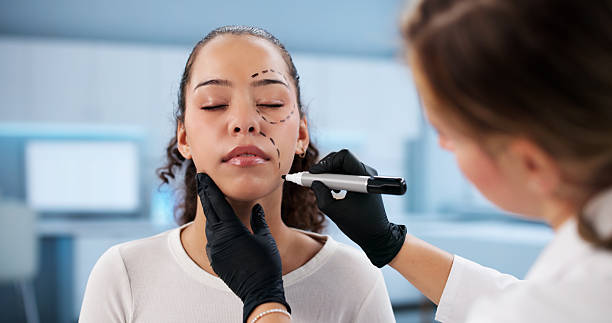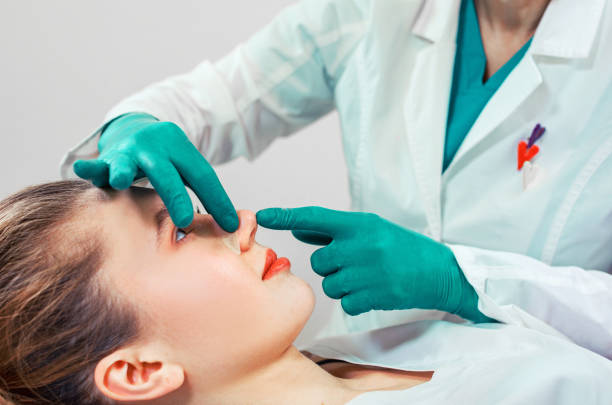
The nose plays an important role in facial appearance and the body’s ability to breathe comfortably. Some people consider changing the shape of their nose because of a rounded tip, a prominent bridge, or uneven proportions, while others experience nasal obstruction that affects everyday breathing. Rhinoplasty in Abu Dhabi can address concerns related to nasal appearance, and when necessary, it may also be combined with functional correction to improve airflow. Understanding how these goals work together helps individuals determine whether rhinoplasty may be suitable for their aesthetic preferences and breathing needs.
What Is Rhinoplasty and How Does It Work?
Rhinoplasty is a surgical procedure designed to change the shape, structure, or proportions of the nose. Depending on the individual’s needs, it may involve adjusting the nasal bridge, refining the tip, reshaping the nostrils, or improving overall facial balance.
The procedure can also address certain structural problems inside the nose. These may include a deviated nasal septum or abnormalities that contribute to restricted airflow. When cosmetic changes and functional correction are performed together, the procedure may improve both the external appearance of the nose and its internal structure.
The surgical approach depends on the existing nasal anatomy, the individual’s concerns, and the changes required to achieve a balanced result while preserving or improving breathing function.
Can Rhinoplasty Improve the Shape of the Nose?
Rhinoplasty can modify several aspects of nasal appearance. Some individuals want to reduce a prominent nasal bridge, while others wish to refine a wide or rounded tip. The procedure can also address asymmetry, uneven contours, or nostrils that appear disproportionate to the rest of the face.
The goal is to create a nose that complements the individual’s facial features rather than making it look noticeably different from their natural appearance. The bridge, tip, nostrils, and overall nasal proportions must be considered together because changing one area can influence the appearance of the entire nose.
A carefully planned approach focuses on facial harmony and realistic expectations. The most suitable result depends on the individual’s anatomy, skin characteristics, and desired changes.
How Can Rhinoplasty Improve Breathing?
Breathing difficulties can occur when the internal structures of the nose restrict the passage of air. A deviated septum, narrowed nasal passages, or certain structural abnormalities may contribute to persistent nasal obstruction.
Functional rhinoplasty can address selected structural issues that interfere with airflow. Depending on the cause, surgery may involve straightening the septum, supporting weakened nasal structures, or correcting areas of narrowing.
When the obstruction is caused by a structural problem that can be corrected surgically, improving the affected area may help air move more freely through the nose. However, not every breathing problem originates from the nasal structure, so identifying the underlying cause is essential before deciding on treatment.
What Is the Difference Between Cosmetic and Functional Rhinoplasty?
Cosmetic rhinoplasty primarily focuses on the external appearance of the nose. It may be chosen to improve proportions, refine contours, or create greater symmetry between the nose and surrounding facial features.
Functional rhinoplasty focuses on structural problems that affect nasal airflow. Its purpose is to improve the nose’s ability to perform its natural breathing function.
Although these procedures have different primary goals, they can sometimes be performed together. For example, someone who wants to refine a prominent nasal bridge and also has a deviated septum may benefit from an approach that considers both appearance and breathing.
Combining these goals requires careful planning because aesthetic changes should not compromise the structural support needed for normal nasal function.
Can Rhinoplasty Correct a Deviated Septum?
A deviated septum occurs when the wall separating the two nasal passages is displaced from its central position. Depending on the degree and location of the deviation, this may restrict airflow through one or both sides of the nose.
Septoplasty is the procedure specifically used to correct a deviated septum. When septal correction is combined with changes to the external nose, the overall operation may be described as septorhinoplasty.
Correcting the septum may improve airflow when the deviation is responsible for the obstruction. However, the expected improvement depends on the severity of the deviation and whether other conditions also contribute to breathing difficulties.
Understanding the difference between septoplasty and cosmetic rhinoplasty helps individuals recognize which aspects of their concerns may be addressed surgically.
Can Nose Reshaping Affect Breathing Function?
The nose is a complex structure in which appearance and function are closely connected. The nasal bones, cartilage, septum, and surrounding support structures all contribute to the external shape and internal airflow.
Changes to these structures can influence breathing if they affect the width or stability of the nasal passages. For this reason, successful rhinoplasty requires attention to both the desired appearance and the nose’s structural integrity.
A balanced surgical plan considers how reshaping the bridge, narrowing the nose, or refining the tip may affect internal support. Maintaining adequate structural stability is important when seeking an aesthetically pleasing result alongside comfortable breathing.
Who May Benefit From Rhinoplasty for Shape and Function?
People who have concerns about nasal appearance and structural breathing difficulties may wish to explore rhinoplasty. Someone with a prominent bridge and nasal obstruction, for example, may have both aesthetic and functional goals.
Other individuals may primarily want to improve facial proportions but also have an internal structural concern that requires assessment. In these situations, determining whether both goals can be addressed together depends on the individual’s anatomy and overall nasal health.
A thorough evaluation helps identify whether the concern is mainly cosmetic, primarily functional, or a combination of the two. It also helps establish realistic expectations about the changes surgery may achieve.
What Should You Expect During Recovery?
Recovery after rhinoplasty varies according to the surgical approach and the extent of structural changes. Swelling and temporary congestion can affect the early recovery period, making the nose feel different before the final result becomes apparent.
The external shape gradually becomes more defined as swelling subsides. Although some changes may be noticeable relatively early, subtle swelling, particularly around the nasal tip, can take considerably longer to resolve.
Breathing may also change during recovery as the internal tissues heal. Following postoperative instructions and attending recommended follow-up appointments are important for monitoring healing and assessing progress.
The final appearance and functional outcome should be evaluated after sufficient healing has occurred rather than immediately after surgery.
Are the Results of Rhinoplasty Long-Lasting?
Rhinoplasty generally produces long-lasting structural changes because the nasal bones and cartilage are surgically reshaped or repositioned. Once healing is complete, the new contours typically remain, although the nose continues to change naturally with age.
When functional correction is performed, the aim is to create a more favorable internal structure for airflow. The durability of the functional improvement depends on the original problem, the surgical correction, and the individual’s healing process.
Realistic expectations are important because rhinoplasty cannot guarantee perfect symmetry or resolve every possible cause of nasal obstruction. A successful outcome focuses on meaningful improvement while preserving the nose’s natural structure and function.
Final Thoughts
Rhinoplasty can improve both nose shape and function when cosmetic concerns and structural breathing problems are addressed through an appropriate surgical plan. It may refine the nasal bridge, improve tip definition, create more balanced proportions, and correct certain internal abnormalities that restrict airflow. However, the results depend on the individual’s anatomy and the underlying cause of their concerns. Understanding the difference between cosmetic rhinoplasty, functional rhinoplasty, and septoplasty helps people make informed decisions about achieving a natural-looking nose that also supports comfortable breathing.
FAQs
Does rhinoplasty improve nose shape and breathing?
Yes, it can address both concerns when external reshaping and functional correction are appropriate for the individual.
Can rhinoplasty correct a deviated septum?
Rhinoplasty may be combined with septoplasty to correct a deviated septum and improve airflow when the deviation causes obstruction.
Does cosmetic rhinoplasty improve breathing?
Not necessarily. Cosmetic rhinoplasty focuses on appearance, and breathing improvement depends on whether a functional problem is also identified and treated.
How long does rhinoplasty recovery take?
Initial recovery generally takes several weeks, while swelling and final nasal definition may continue improving for a year or longer.
Are rhinoplasty results permanent?
The structural changes are generally long-lasting, although natural aging and changes in nasal tissues can affect appearance over time.