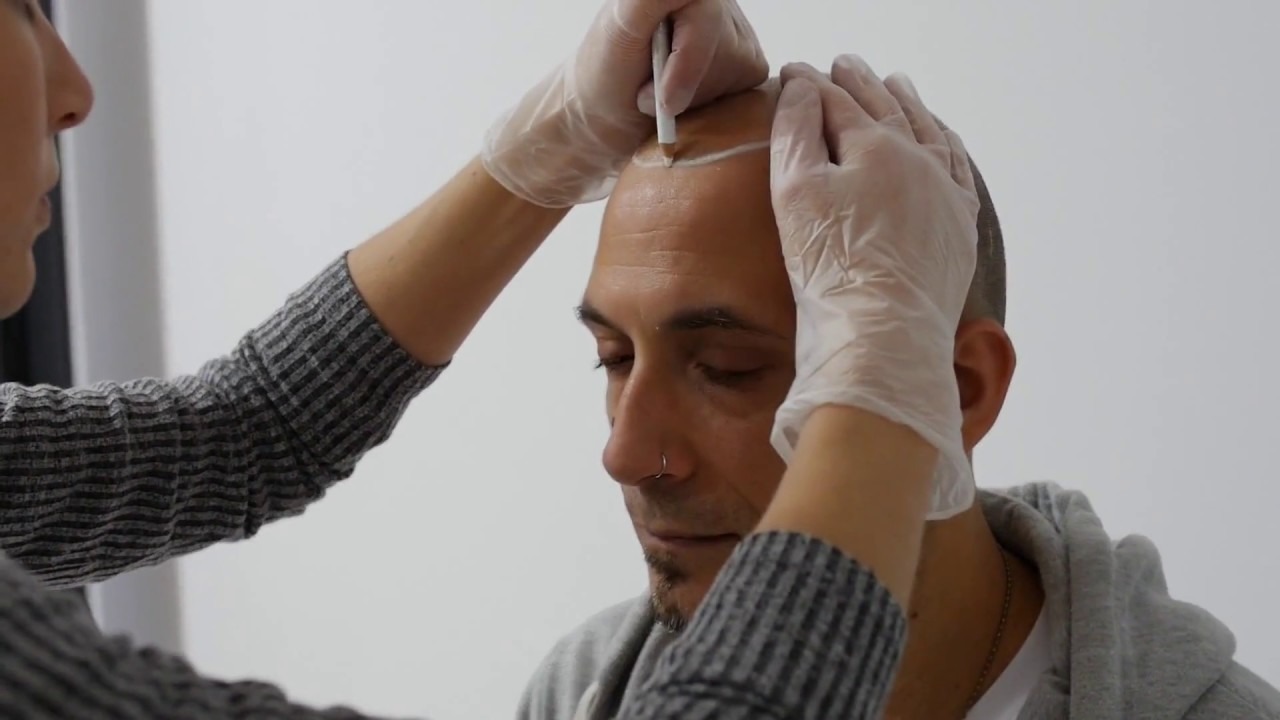
A natural-looking hairline is one of the most important factors in achieving convincing results with Scalp Micropigmentation Dubai. While the procedure can create the appearance of fuller coverage by placing carefully selected pigment impressions across the scalp, the final appearance depends heavily on how the hairline is designed. A hairline that is too straight, low, dense, or sharply defined may look artificial, particularly when it does not correspond with the person’s age, facial proportions, or existing hair pattern.
A well-planned hairline should complement the individual’s facial structure while maintaining subtle irregularity. Natural hairlines rarely appear as perfectly symmetrical lines. They usually contain small variations in shape, density, and follicle positioning. These details are important when creating a realistic appearance with scalp micropigmentation.
The design process should also consider the degree of hair loss, remaining hair density, skin tone, scalp condition, and whether the treatment is intended to complement existing hair or create the appearance of a closely shaved style. An experienced practitioner can assess these factors before deciding where the pigment should begin and how its density should gradually transition into the surrounding scalp.
For anyone considering scalp micropigmentation in Dubai, understanding hairline design is therefore just as important as understanding the pigmentation technique itself. The objective should be a balanced result that works with the person’s natural features rather than simply creating the most prominent possible hairline.
What Makes a Hairline Look Natural?
A natural hairline is rarely completely uniform. Even people with dense hair generally have subtle changes in follicle direction, spacing, and density around the frontal edge. Reproducing some of these characteristics can help scalp micropigmentation blend more naturally with the surrounding scalp.
The position of the hairline is also significant. Designing it too far forward can create an unnatural appearance, while placing it excessively high may not provide the visual improvement the individual expects. Facial proportions, forehead height, age, and the existing pattern of hair loss should all be considered.
Another important factor is the transition from the front edge into the rest of the treated area. A gradual change in pigment density can prevent the hairline from appearing like a sharply drawn boundary.
How Hairline Shape Influences Scalp Micropigmentation
Hairline shape can vary considerably between individuals. Some people naturally have a softer rounded outline, while others have more defined corners or a subtle widow’s peak. The treatment should take the person’s original characteristics into account rather than applying an identical design to every scalp.
For someone experiencing recession at the temples, the practitioner may need to create a shape that visually balances the frontal area without making the corners appear unnaturally low. Similarly, individuals with diffuse thinning may require a different approach from someone with extensive frontal hair loss.
The shape should also remain appropriate when viewed from different angles. A hairline that looks acceptable directly from the front may appear less convincing from the side if its placement or density has not been carefully planned.
Why Individual Facial Proportions Matter
Facial structure plays a major role in determining where a visually balanced hairline should sit. Forehead proportions, facial width, temple position, and overall face shape can influence the appropriate design.
A practitioner should therefore avoid relying on a universal measurement or template. Two people with similar levels of hair loss may require noticeably different hairline designs because their facial proportions are different.
The aim is not necessarily to recreate the hairline a person had during adolescence. Instead, the design can be adapted to create a mature and proportionate appearance that remains believable over time.
Enfield Royal Clinic
At Enfield Royal Clinic, hairline planning can be approached as an individual design process rather than simply applying pigment across areas of visible scalp. The assessment can consider the patient’s existing hair pattern, facial proportions, degree of recession, and desired appearance before treatment begins.
For patients exploring Scalp Micropigmentation Dubai, careful attention to the frontal transition is particularly important. The appearance of individual pigment impressions, their spacing, and the gradual development of density can all influence whether the result blends naturally with the surrounding scalp.
A consultation also provides an opportunity to discuss expectations, treatment suitability, scalp condition, and the maintenance involved after the procedure. These considerations can help patients make a more informed decision about whether scalp micropigmentation is appropriate for their particular pattern of hair loss.
How Pigment Density Affects the Hairline
Density needs to be controlled carefully around the frontal edge. Applying pigment with the same intensity throughout the scalp can make the hairline appear overly heavy.
A softer transition at the front can create the visual impression of individual follicles, while greater density farther behind the hairline may help produce the appearance of fuller coverage. The appropriate level depends on whether the patient has closely shaved hair, significant thinning, or larger areas of visible scalp.
Skin tone also affects how pigment appears. Colour selection should therefore be based on the individual’s complexion and natural hair characteristics rather than simply choosing the darkest available shade.
Can Scalp Micropigmentation Recreate a Receding Hairline?
Scalp micropigmentation can visually alter the appearance of a receding hairline, but it does not physically restore hair follicles. Instead, carefully placed pigment can create the appearance of short follicular points and reduce the visual contrast between the scalp and surrounding hair.
For someone with recession, the new design should be conservative enough to remain believable. Attempting to create an extremely low hairline may produce an appearance that is difficult to maintain naturally as the person ages or if additional hair loss occurs.
The existing pattern should therefore be considered when establishing the frontal outline.
How to Choose the Right Approach for Scalp Micropigmentation Dubai
Experience and Qualifications
Look for practitioners who understand scalp anatomy, pigmentation techniques, hair-loss patterns, and appropriate hygiene procedures. Experience with different skin tones and degrees of hair loss can also be valuable when assessing whether a particular hairline design is suitable.
Technology and Techniques
Ask how the procedure is performed and which equipment and pigments are used. Precision tools and appropriate pigmentation techniques can help practitioners control the size, depth, spacing, and density of individual impressions.
Safety Standards
A reputable provider should maintain appropriate hygiene and infection-control practices. Patients should also receive clear information about preparation, aftercare, possible temporary reactions, and circumstances in which treatment may need to be postponed.
Consultation Process
A thorough consultation should involve more than selecting a preferred hairline from a picture. The practitioner should evaluate facial proportions, scalp condition, existing hair, hair-loss progression, and expectations before proposing a design.
Patient Experience
Communication throughout the process matters. Patients should understand what the treatment can realistically accomplish, how many sessions may be required, what recovery involves, and how the appearance may change during the healing period.
Expected Results
Scalp micropigmentation provides a cosmetic visual effect rather than biological hair regrowth. Results can vary according to skin characteristics, pigment selection, technique, aftercare, and individual healing. A realistic treatment plan should account for these variables instead of promising identical outcomes for every patient.
Frequently Asked Questions
Does scalp micropigmentation create a permanent hairline?
Scalp micropigmentation is considered a long-lasting cosmetic procedure, but its appearance can gradually change over time. Pigment may fade or require maintenance depending on factors such as skin type, sun exposure, aftercare, and the technique used.
Can the hairline be customized to my face?
Yes. Hairline design can be adapted according to facial proportions, existing hair characteristics, age, and the pattern of hair loss. Personalization is important for achieving a balanced appearance.
Should a scalp micropigmentation hairline be completely straight?
Not necessarily. A perfectly straight and symmetrical line can sometimes appear artificial. Subtle irregularities and gradual density changes can help create a more natural-looking transition.
Can scalp micropigmentation work with existing hair?
It can be used alongside existing hair in suitable cases. The pigment may help reduce the contrast between visible scalp and surrounding hair, making areas of thinning appear visually denser.
Does scalp micropigmentation regrow hair?
No. The procedure does not stimulate new follicle growth. It uses cosmetic pigmentation to create the visual appearance of follicles or greater scalp coverage.
Conclusion
Choosing a natural hairline is a central part of achieving a convincing scalp micropigmentation result. The design should account for facial proportions, existing hair, the pattern of recession, skin tone, pigment density, and long-term expectations rather than relying on a standard template. Subtle transitions and appropriately controlled pigmentation can make the difference between an artificial-looking outline and a result that integrates naturally with the person’s appearance.
Anyone considering Scalp Micropigmentation should discuss their goals during a detailed consultation and ensure that the proposed design reflects their individual features and hair-loss pattern. A realistic approach, appropriate technique, and proper aftercare can all contribute to a more balanced and natural-looking cosmetic outcome.