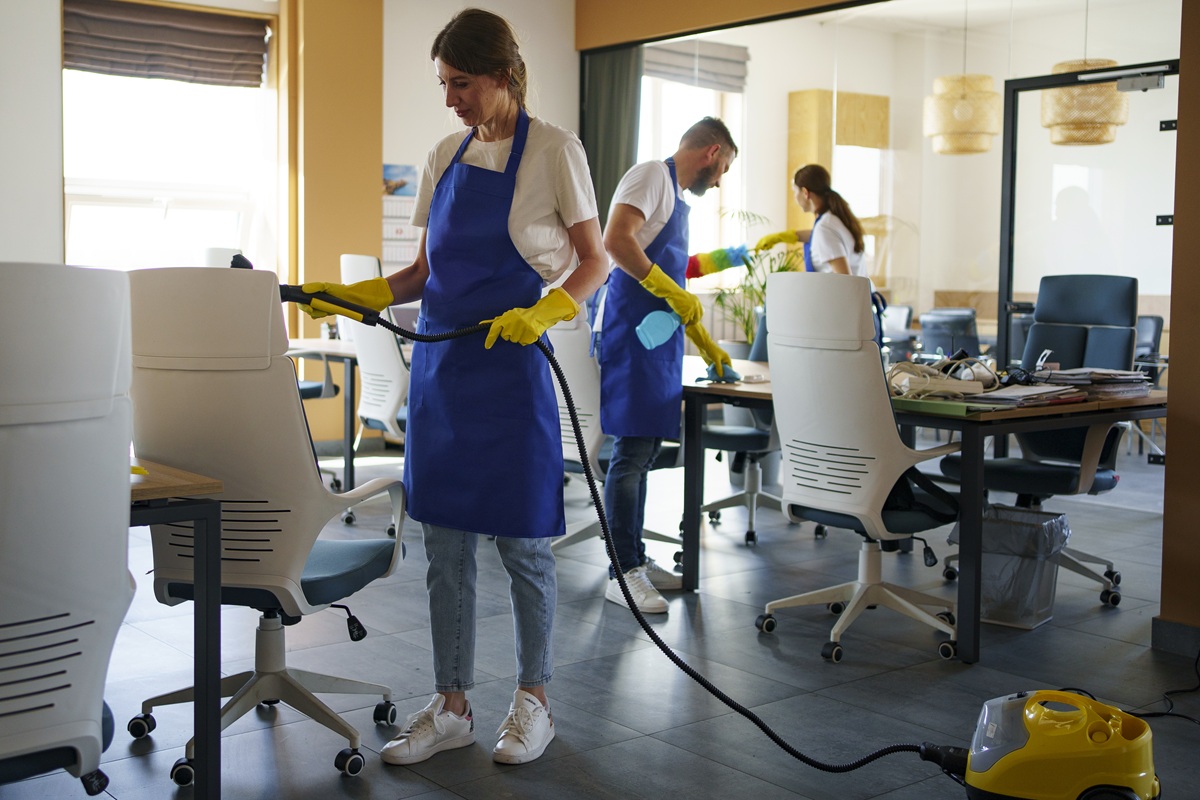
We will walk you through everything you need to know about commercial cleaning. From understanding what commercial cleaning actually involves to creating your own tailored checklist, we’ve got you covered. You’ll learn how to evaluate cleaning contracts, determine the right cleaning frequency for your space, and spot the red flags when hiring professional cleaners. By the end, you’ll have the knowledge to keep your workplace spotless and the confidence to make informed decisions about your cleaning needs.
What Is Commercial Cleaning and How Does It Differ from Regular Cleaning?
Understanding the Scope of Commercial Cleaning Services
Commercial cleaning goes well beyond what you’d typically do at home with a mop and bucket. It encompasses a wide range of services designed specifically for business environments think offices, retail spaces, warehouses, medical facilities, and hospitality venues. These services often include floor maintenance, carpet cleaning, window washing, sanitisation of high-touch surfaces, and waste management.
Key Differences Between Commercial and Domestic Cleaning
The main distinction lies in scale, frequency, and expertise. Domestic cleaning focuses on residential spaces with standard household products. Commercial cleaning, on the other hand, requires knowledge of workplace health regulations, industry-specific requirements, and the ability to work around business operations without disrupting productivity.
The Essential Commercial Cleaning Checklist for Your Business
Daily Cleaning Tasks Every Workplace Needs
Some tasks simply can’t wait. Daily cleaning should include emptying bins, wiping down high-touch surfaces like door handles and light switches, cleaning and restocking bathrooms, and tidying reception areas. Kitchen spaces need attention too dishes shouldn’t pile up, and benchtops require regular sanitisation.
Weekly Cleaning Requirements
Weekly tasks dig a bit deeper. These include thorough vacuuming of all carpeted areas, mopping hard floors, dusting desks and workstations, cleaning glass partitions, and sanitising shared equipment like printers and photocopiers. Kitchen appliances like microwaves and fridges benefit from weekly attention too.
Monthly Deep Cleaning Priorities
Monthly, you’ll want to tackle those often-overlooked areas. This means cleaning air vents, washing windows inside and out, deep-cleaning carpets, polishing hard floors, and sanitising upholstery. It’s also a good time to check light fittings for dust accumulation and clean any blinds or curtains.
Seasonal and Annual Cleaning Considerations
Certain tasks only need attention a few times yearly. These include professional carpet steam cleaning, exterior window washing, pressure washing outdoor areas, and thorough cleaning of storage spaces. Annual tasks might include stripping and resealing floors or deep-cleaning HVAC systems.
What Should Be Included in a Commercial Cleaning Contract?
Services and Frequency Breakdown
A solid cleaning contract clearly outlines exactly which services are provided and how often. There shouldn’t be any ambiguity if daily bathroom cleaning is included, the contract should specify what “cleaning” entails. Does it include restocking supplies? Mopping floors? Cleaning mirrors?
Quality Assurance and Accountability Measures
The best contracts include quality assurance provisions. This might involve regular inspections, feedback mechanisms, or even satisfaction guarantees. You’ll want to know who to contact if standards slip and what the response time for addressing issues should be.
How Often Should a Commercial Space Be Professionally Cleaned?
Factors That Influence Cleaning Frequency
Several factors determine how often you need professional cleaning. Foot traffic is perhaps the biggest a busy shopping centre needs far more attention than a quiet accounting firm. Staff numbers, the nature of your business, and client-facing requirements all play a role.
Industry-Specific Cleaning Requirements
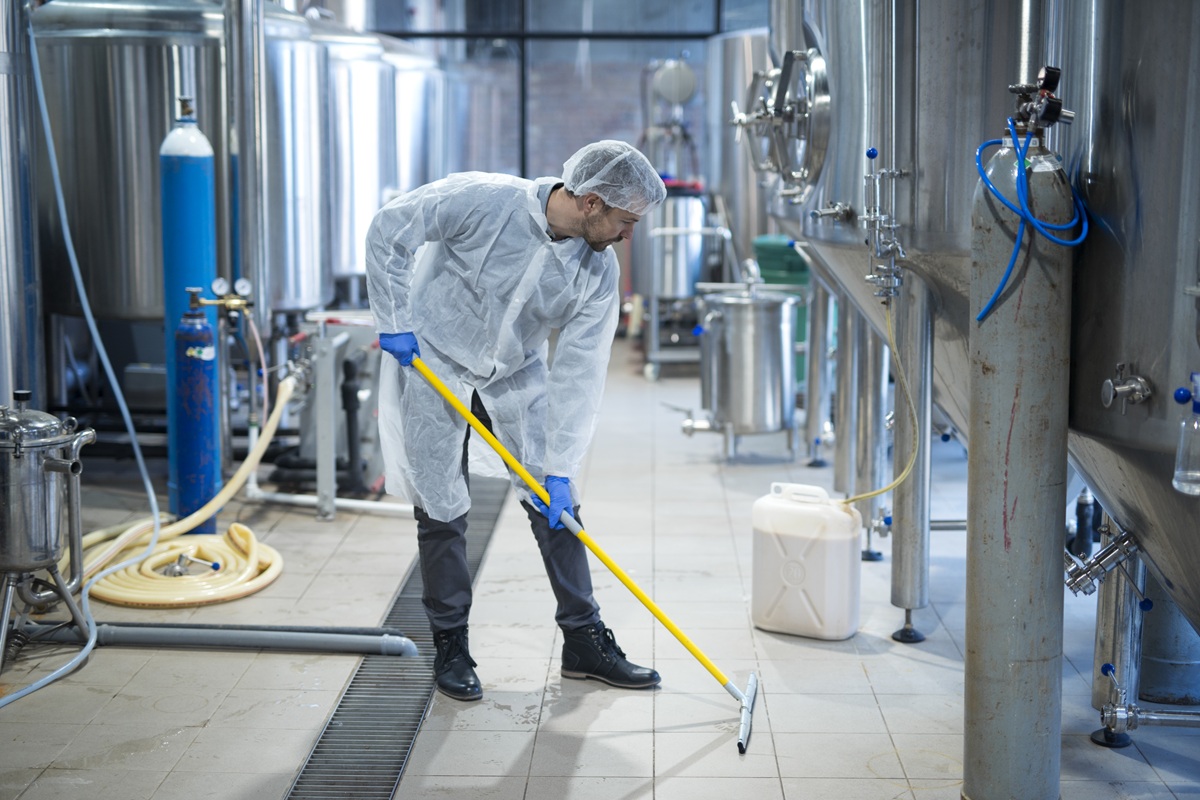
Different industries have different needs. Food service businesses must comply with strict hygiene regulations, medical facilities need hospital-grade sanitisation, and childcare centres require child-safe cleaning products. Understanding your industry’s specific requirements helps you choose appropriate cleaning schedules and services.
Area-by-Area Cleaning Breakdown
Reception and Common Areas
First impressions matter enormously. Reception areas should always look immaculate dusted surfaces, streak-free glass, fresh-smelling air, and spotless flooring. Common areas like meeting rooms and waiting spaces deserve equal attention.
Office Spaces and Workstations
Individual workstations need regular dusting, keyboard and phone sanitisation, and rubbish removal. Shared desks in hot-desking environments require sanitising between users.
Kitchen and Breakroom Cleaning Standards
Kitchen areas can quickly become health hazards if neglected. Daily wiping of surfaces, cleaning appliances, emptying bins, and maintaining dishwashing equipment are non-negotiable. Weekly deep-cleaning of fridges prevents unpleasant surprises.
Bathroom and Toilet Facility Hygiene
Bathrooms require meticulous attention. Daily cleaning, restocking of supplies, and regular deep-sanitisation keep these spaces hygienic and pleasant. Nothing damages your professional image faster than dirty toilets.
What Are the Benefits of Hiring Professional Commercial Cleaners?
Health, Safety, and Employee Wellbeing
A clean workplace is a healthier workplace. Professional cleaning reduces allergens, minimises germ transmission, and creates an environment where staff feel valued. This translates to fewer sick days and improved productivity.
First Impressions and Client Confidence
When clients visit your premises, they’re subconsciously assessing your professionalism. A spotless environment signals attention to detail and care qualities they’ll associate with your services or products.
Compliance with Australian Workplace Standards
Australian workplaces must meet specific health and safety standards. Professional cleaners understand these requirements and help ensure your business remains compliant, avoiding potential fines or legal issues.
How Do You Choose a Reliable Commercial Cleaning Company?
Questions to Ask Before Signing a Contract
Before committing, ask about their experience with similar businesses, insurance coverage, staff training procedures, and cleaning products used. Request references from current clients and enquire about their response process for complaints or issues.
Red Flags to Avoid When Hiring Commercial Cleaning
Watch out for companies that won’t provide written quotes, lack proper insurance, or can’t demonstrate relevant experience. Unusually low prices often indicate corners will be cut. Trust your instincts if something feels off during initial conversations, it probably is.
Creating Your Own In-House Commercial Cleaning Checklist
Customising Checklists for Your Business Type
Generic checklists rarely fit perfectly. Adapt your checklist to your specific business needs, considering your industry, space layout, staff numbers, and client-facing requirements. What works for a gym won’t suit a law firm.
Downloadable Checklist Template Tips
When creating templates, organise tasks by area and frequency. Include columns for initials and dates to maintain accountability. Keep the format simple overly complicated checklists rarely get followed consistently.
Conclusion
Maintaining a commercial cleaning space isn’t just about ticking boxes it’s about creating an environment where your business can genuinely thrive. From daily tidying to annual deep cleans, every element of your cleaning routine contributes to the overall impression your workplace makes on staff, clients, and visitors alike.
Whether you choose to hire professional commercial cleaning or develop a robust in-house cleaning programme, the key is consistency. Regular attention to cleaning tasks prevents small issues from becoming major problems. It protects your team’s health, maintains your professional image, and ensures you meet Australian workplace standards.