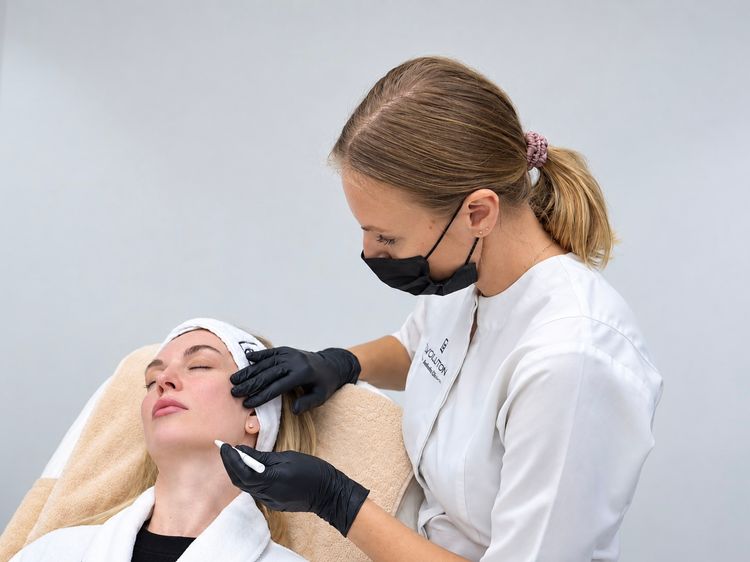
Sculptra is a popular injectable aesthetic treatment designed to stimulate natural collagen production and improve age-related changes in facial appearance. It contains poly-L-lactic acid (PLLA), a biocompatible synthetic material that encourages the body to produce collagen gradually. This process can help restore lost facial volume, improve skin firmness, and support natural-looking facial rejuvenation. However, like other injectable treatments, Sculptra may sometimes cause complications, including the development of lumps and nodules beneath the skin.
Although these reactions are not experienced by everyone, understanding why they occur and how to reduce their likelihood is important before undergoing treatment. Proper product preparation, appropriate injection techniques, personalised treatment planning, and following professional aftercare instructions can all contribute to a safer experience. Knowing what to expect can also help patients recognise unusual changes and seek medical advice when necessary.
What Causes Lumps and Nodules After Sculptra?
Lumps and nodules can develop when the injected material or the body’s tissue response creates localised areas of firmness beneath the skin. Some may appear shortly after treatment, while others can develop weeks or months later.
Several factors may contribute to their formation, including incorrect injection depth, uneven product distribution, inappropriate product preparation, individual inflammatory responses, and inadequate adherence to aftercare instructions.
It is important to distinguish temporary swelling from persistent nodules. Small areas of swelling immediately after injections are relatively common and usually improve as the tissues recover. Persistent, growing, painful, or visible lumps require assessment by a qualified medical professional.
1. Choose an Experienced Medical Practitioner
Selecting an appropriately qualified and experienced practitioner is one of the most important steps in reducing the risk of complications.
Sculptra requires a good understanding of facial anatomy, injection depth, product placement, and collagen-stimulating treatments. Incorrect administration may increase the likelihood of uneven distribution and unwanted tissue reactions.
An experienced practitioner can evaluate facial structure, identify suitable injection areas, and develop a treatment approach based on individual needs.
Before proceeding, patients should discuss the practitioner’s experience with Sculptra and ask about the techniques used to minimise potential complications.
2. Ensure Proper Product Preparation
Correct product preparation is essential for Sculptra treatment. The product must be reconstituted according to the manufacturer’s current instructions before administration.
Preparation involves following the recommended dilution, hydration time, and handling requirements. Incorrect preparation may affect product consistency and increase the possibility of complications.
Medical professionals should follow approved preparation protocols rather than relying on improvised techniques.
Patients should also feel comfortable asking whether the treatment product has been prepared according to the manufacturer’s guidelines.
3. Follow the Recommended Injection Technique
Injection technique plays an important role in achieving appropriate product distribution.
Sculptra should be administered at the appropriate tissue depth using a technique suited to the treatment area. Placing the product incorrectly or concentrating too much material in one location may contribute to uneven results and nodule formation.
A qualified practitioner understands how facial anatomy varies across different regions and adjusts the injection approach accordingly.
Proper placement also helps ensure that treatment is based on the patient’s natural facial structure rather than applying the same injection pattern to everyone.
4. Avoid Excessive Product in a Single Session
More product does not necessarily mean better results. Sculptra works by stimulating collagen gradually, so treatment should be planned according to the individual’s facial anatomy and degree of volume loss.
Using excessive amounts or concentrating too much product in a limited area may increase the risk of unwanted irregularities.
A personalised treatment plan helps determine appropriate quantities and whether multiple sessions are necessary.
Allowing sufficient time between appointments also gives the practitioner an opportunity to evaluate the body’s response before recommending additional treatment.
5. Follow Your Practitioner’s Aftercare Instructions
Aftercare is an important part of the Sculptra treatment process. Patients should carefully follow the instructions provided by their medical professional to support recovery and reduce avoidable complications.
Depending on the treatment plan, the practitioner may recommend specific massage instructions.
For many Sculptra treatment protocols, patients are advised to follow the commonly known five-five-five massage approach: five minutes, five times daily, for five days. However, massage should only be performed when specifically recommended and according to the practitioner’s instructions.
Patients should not assume that the same aftercare routine is appropriate for every individual or treatment area.
6. Avoid Unnecessary Pressure on Treated Areas
The skin and underlying tissues may remain sensitive for a short period after injections. Excessive pressure, rubbing, or manipulation can irritate the treated areas.
Patients should avoid unnecessary touching and follow their practitioner’s guidance regarding facial massage, skincare products, and other activities.
It is also important to avoid attempting to press, squeeze, or break down a suspected lump at home. Unsupervised manipulation may worsen irritation or delay appropriate treatment.
7. Attend Follow-Up Appointments
Follow-up consultations allow the practitioner to monitor how the treated areas are responding and identify potential concerns.
Since Sculptra results develop gradually, an immediate assessment may not provide a complete picture of the final outcome. Monitoring over time helps distinguish normal recovery changes from complications that require attention.
Patients should report any persistent lumps, unusual firmness, increasing swelling, or discomfort during follow-up appointments.
Early assessment can help determine whether observation, further investigation, or medical treatment is appropriate.
8. Inform Your Practitioner About Your Medical History
Individual health conditions and medical history can influence treatment suitability and recovery.
Before receiving Sculptra, patients should disclose relevant information, including allergies, previous injectable treatments, existing skin conditions, medications, and any history of unusual reactions to cosmetic procedures.
Active skin infections or inflammation around the intended injection area may require treatment to be postponed.
A thorough consultation helps the practitioner identify potential contraindications and decide whether Sculptra is an appropriate option.
9. Avoid Rushing Additional Treatments
Because Sculptra stimulates collagen production gradually, its results require patience. Some patients may expect immediate improvements and consider additional injections before the initial treatment has fully developed.
However, early additional treatment may lead to unnecessary product placement and increase the risk of complications.
Allowing sufficient time for collagen development helps the practitioner assess the actual response and determine whether further sessions are needed.
Treatment decisions should always be based on professional evaluation rather than immediate appearance alone.
10. Recognise When Lumps Require Medical Attention
Not every lump after Sculptra indicates a serious complication. Some temporary swelling and small areas of firmness may improve naturally.
However, persistent or enlarging nodules, painful lumps, increasing redness, warmth, or signs of infection should be assessed by a qualified medical professional.
Patients should seek prompt medical evaluation rather than attempting home remedies or self-treatment. Sudden severe pain, unusual skin colour changes, or visual disturbances following an injection require immediate emergency assessment because they may indicate a serious vascular complication.
Early recognition is important for appropriate management.
Can Lumps and Nodules After Sculptra Be Treated?
Yes, management options are available, but the appropriate approach depends on the type, cause, location, and severity of the lump.
A practitioner may recommend monitoring minor irregularities, while persistent nodules may require further examination and specific medical management. Treatment options can differ depending on whether the issue involves inflammation, product-related accumulation, infection, or another tissue response.
There is no single treatment suitable for every case. Patients should avoid attempting to dissolve or manipulate Sculptra nodules without professional guidance.
Conclusion
Reducing the risk of lumps and nodules after Sculptra involves several important considerations, including choosing an experienced medical practitioner, ensuring correct product preparation, using appropriate injection techniques, and following personalised aftercare instructions. Patients should also attend follow-up appointments and report unusual changes rather than attempting to manage complications independently.
Dr Hussam Abbadi emphasises the importance of careful treatment planning, facial assessment, and patient education when considering collagen-stimulating procedures. If you are exploring Sculptra for Facial Rejuvenation, a professional consultation can help you understand the treatment process, potential risks, and precautions needed to support safe and natural-looking results.