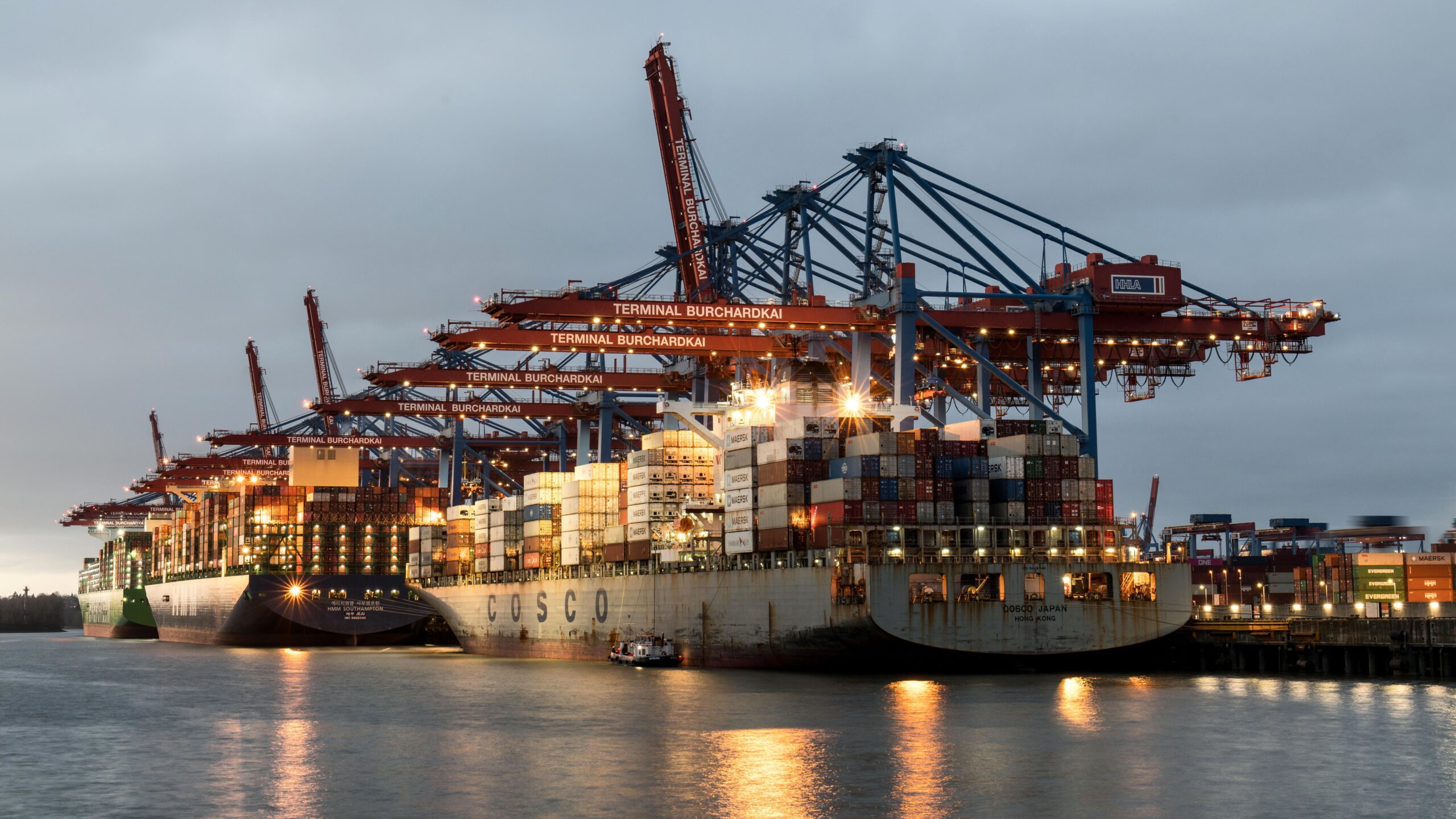
Small businesses in the Philippines can sell products to customers in other countries through international shipping. The process covers several stages, from preparing an order to customs clearance and final delivery. Understanding how international shipping Philippines services work can help business owners manage orders more clearly.
What Is International Shipping?
International shipping refers to the movement of goods from one country to another through postal services, couriers, freight companies, or logistics providers. For Philippine businesses, shipments may travel by air or sea before reaching a foreign destination. The method used depends on the package size, destination, delivery requirements, product type, and available shipping services.
A typical international order starts when a business prepares the product and packages it for transport. The shipment then receives a label and supporting documents before being handed to a carrier. Customs authorities review the shipment at the appropriate border points, after which the package proceeds toward the recipient’s country and final delivery address.
Preparing the Package
Proper packaging protects products during handling, storage, loading, and transportation. Businesses generally use packaging materials suited to the product’s size, weight, and fragility. The package also needs a clear recipient address and shipping information. Accurate details reduce the possibility of delays caused by incomplete or incorrect information during transportation.
How International Shipping Philippines Works
The international shipping Philippines process generally follows a series of steps that connect the seller, carrier, customs authorities, and recipient. The business first prepares the order and provides shipment details. The carrier collects or receives the package, transports it to the destination country, and coordinates the necessary customs procedures before final delivery.
Shipment Documentation
International shipments usually require information describing the sender, recipient, contents, quantity, weight, and declared value. Commercial shipments may also require a commercial invoice or other supporting documents. These records give customs authorities information about the goods being transported. Requirements can differ based on the destination country, product category, and shipment value.
Customs Clearance
Customs authorities inspect shipment information to determine if goods meet import requirements. They may assess duties, taxes, or other charges based on the declared value and applicable regulations. Some products can also require permits or additional documentation. The package proceeds after the required customs procedures have been completed.
Why Shipping Costs Differ
International shipping costs can vary considerably between orders. Distance is one factor, but package dimensions and weight also affect the price. Shipping method, destination, delivery speed, insurance, fuel charges, customs fees, and additional handling can also affect the final amount paid for transportation.
For small businesses, shipping expenses can represent a significant part of an international order. A lightweight package sent by air may have a different rate from a heavier shipment transported by sea. Carriers may also calculate charges using dimensional weight, which considers the amount of space a package occupies during transportation.
Duties and Taxes
Import duties and taxes are generally determined by the destination country’s customs rules rather than Philippine shipping rates alone. The amount can depend on the product classification, declared value, country of origin, and applicable trade rules. In some transactions, the recipient pays these charges before or upon delivery.
What Affects Delivery Time?
Delivery times depend on several stages in the shipping process. Distance, transportation schedules, customs processing, weather, holidays, and the destination’s local delivery network can affect how quickly an order arrives. Air shipments are generally faster than sea freight, although the exact timeframe varies among routes and service levels.
Customs processing can also create differences between individual shipments. A package with complete and accurate documentation may move through the process without additional requests. Other shipments may require inspections, permits, clarification, or payment of applicable charges. These steps can extend the time between dispatch and final delivery.
Tracking International Orders
Tracking systems provide shipment updates as a package moves through different transportation stages. Common updates include acceptance, departure from the origin country, arrival at an international facility, customs processing, and delivery. The frequency and detail of tracking information depend on the carrier and service selected for the shipment.
Key Takeaway
International shipping connects Philippine small businesses with customers in other countries through coordinated transportation and customs processes. The basic process includes preparing the order, packaging the goods, completing shipping documents, transporting the package, clearing customs, and completing final delivery.
Costs and delivery times can differ based on weight, dimensions, destination, shipping method, customs requirements, and additional charges. For businesses handling international shipping Philippines orders, accurate shipment information and suitable documentation form important parts of the overall process.