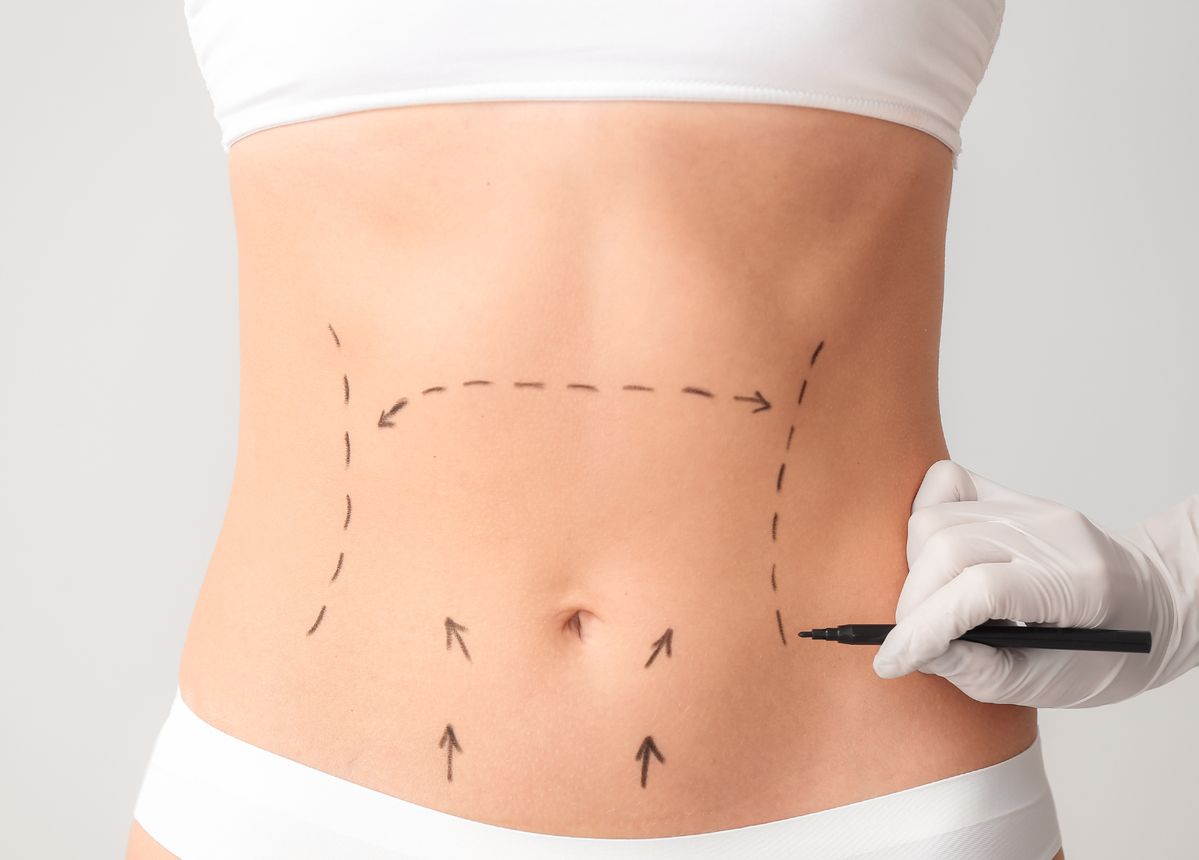
Every person’s body is different, and aesthetic goals can vary significantly from one individual to another. For this reason, modern cosmetic care often focuses on personalized treatment planning rather than applying the same procedure to everyone. Liposuction can be one option within an individualized aesthetic plan, particularly for people seeking to address localized fat deposits and refine specific body contours.
Understanding how liposuction fits into a broader plan can help patients develop realistic expectations and make informed decisions with their qualified healthcare provider.
What Is a Personalized Aesthetic Plan?
A personalized aesthetic plan is an approach that considers an individual’s anatomy, concerns, goals, health, and preferences before recommending treatment. Instead of focusing solely on one feature, a provider can evaluate the overall relationship between different areas.
For body contouring, factors such as fat distribution, skin elasticity, body proportions, and previous procedures may be considered.
The purpose is not necessarily to pursue dramatic change. A personalized plan can focus on specific improvements that complement the person’s existing features.
The Role of Liposuction in Body Contouring
Liposuction is primarily a body contouring procedure designed to remove localized fat deposits. It may be considered when a person has areas of excess fat that remain noticeable despite appropriate lifestyle habits.
Common areas include the abdomen, waist, hips, thighs, arms, back, and under the chin.
Rather than being a general weight-loss treatment, liposuction focuses on reshaping selected areas. This makes it potentially useful as one component of a broader aesthetic strategy.
Starting With Individual Goals
The first stage of personalized planning is understanding what the patient actually wants to improve. One person may be concerned about abdominal fullness, while another may want to refine the waist, thighs, or upper arms.
Clear communication during consultation is important. Patients should explain what bothers them, what changes they hope to see, and whether they have specific concerns about recovery or downtime.
A qualified professional can then explain what liposuction can realistically accomplish and whether another approach may be more appropriate.
Evaluating Body Proportions
Body contouring is not simply about removing fat from one location. The relationship between different areas can influence the overall appearance.
For example, treating the waist may affect how the abdomen and hips appear in relation to one another. Similarly, contouring one thigh area may need to be considered alongside surrounding areas.
A personalized plan takes these relationships into account. The goal is generally to create balanced contours rather than focusing only on reducing volume.
Considering Skin Elasticity
Skin quality is another important consideration. Liposuction removes fat beneath the skin but does not guarantee that loose or excess skin will tighten afterward.
The amount of skin elasticity a person has can influence the appearance of the treated area after fat removal. During consultation, the provider can assess skin characteristics and discuss realistic expectations.
In some situations, another body contouring approach may be considered if loose skin is a major concern.
Choosing the Appropriate Technique
Modern liposuction includes different techniques and technologies. Traditional suction-assisted methods remain widely used, while other approaches may use power assistance, ultrasound, or laser technology.
The choice of technique depends on factors such as the treatment area, amount of localized fat, tissue characteristics, and the surgeon’s experience.
Patients should focus on understanding why a particular technique is being recommended rather than assuming that the newest technology is automatically the most suitable.
Combining Treatments When Appropriate
In some aesthetic plans, liposuction may be combined with other procedures. However, combining treatments is not appropriate for everyone and can increase the complexity of treatment and recovery.
A qualified healthcare provider can assess whether multiple procedures are medically and aesthetically appropriate.
Patients should understand the benefits, limitations, risks, recovery requirements, and expected outcomes of every treatment included in a plan.
Preparing for Treatment
Preparation should be tailored to the individual. A medical consultation typically includes a review of health history, medications, supplements, previous procedures, allergies, and lifestyle factors.
Patients may receive instructions about medications, nicotine use, eating and drinking, activity, and other aspects of preparation.
Planning recovery in advance can also be helpful. Depending on the procedure, patients may need transportation, time away from work, and assistance with daily responsibilities.
Recovery as Part of the Plan
Recovery should be considered before treatment rather than afterward. Swelling, bruising, tenderness, and temporary changes in sensation can occur following liposuction.
The healthcare provider may recommend compression garments and provide instructions regarding wound care, movement, medication, and exercise.
The recovery timeline varies depending on the extent of treatment and individual healing. Follow-up appointments allow the provider to monitor progress and address concerns.
Maintaining Results With Healthy Habits
Liposuction can remove fat cells from treated areas, but it does not prevent future weight gain. Maintaining a stable weight through balanced nutrition and regular physical activity can help support long-term body contours.
Healthy habits should be viewed as part of the overall aesthetic plan rather than something that begins only after treatment.
Setting Realistic Expectations
Personalized aesthetic planning works best when expectations are realistic. Liposuction can refine selected areas, but it cannot completely redesign a person’s natural body structure or guarantee a particular appearance.
Results can also vary because of differences in anatomy, skin elasticity, healing, treatment technique, and lifestyle.
An open conversation with a qualified professional can help patients understand potential outcomes before making a decision.
Conclusion
Liposuction can be an important component of a personalized aesthetic plan for individuals seeking to address localized fat and refine specific body contours. Its role should be determined according to individual anatomy, goals, health, skin quality, and realistic expectations.
A personalized approach begins with consultation, continues through preparation and treatment, and extends into recovery and long-term lifestyle habits. Working with a qualified healthcare professional can help patients understand their options and develop a treatment plan suited to their individual needs.
Frequently Asked Questions
1. Why is personalized planning important for liposuction?
Personalized planning considers factors such as body proportions, fat distribution, skin elasticity, health, and individual aesthetic goals rather than using the same approach for every patient.
2. Can liposuction be combined with other aesthetic procedures?
It can sometimes be combined with other procedures, but suitability depends on individual health, treatment goals, and the complexity of the planned procedures. A qualified professional should make this assessment.
3. Does liposuction remove all unwanted fat?
No. Liposuction targets selected areas of localized fat. It is not designed to remove all body fat or serve as a general weight-loss treatment.
4. How can I support my results after liposuction?
Maintaining a stable weight, following healthy eating habits, staying physically active when medically appropriate, and following postoperative instructions can help support long-term results.
How Liposuction Fits Into a Personalized Aesthetic Plan
Meta Description: Discover how liposuction can fit into a personalized aesthetic plan by addressing targeted fat, body proportions, goals, recovery, and aftercare.
Every person’s body is different, and aesthetic goals can vary significantly from one individual to another. For this reason, modern cosmetic care often focuses on personalized treatment planning rather than applying the same procedure to everyone. Liposuction can be one option within an individualized aesthetic plan, particularly for people seeking to address localized fat deposits and refine specific body contours.
Understanding how liposuction fits into a broader plan can help patients develop realistic expectations and make informed decisions with their qualified healthcare provider.
What Is a Personalized Aesthetic Plan?
A personalized aesthetic plan is an approach that considers an individual’s anatomy, concerns, goals, health, and preferences before recommending treatment. Instead of focusing solely on one feature, a provider can evaluate the overall relationship between different areas.
For body contouring, factors such as fat distribution, skin elasticity, body proportions, and previous procedures may be considered.
The purpose is not necessarily to pursue dramatic change. A personalized plan can focus on specific improvements that complement the person’s existing features.
The Role of Liposuction in Body Contouring
Liposuction is primarily a body contouring procedure designed to remove localized fat deposits. It may be considered when a person has areas of excess fat that remain noticeable despite appropriate lifestyle habits.
Common areas include the abdomen, waist, hips, thighs, arms, back, and under the chin.
Rather than being a general weight-loss treatment, liposuction focuses on reshaping selected areas. This makes it potentially useful as one component of a broader aesthetic strategy.
Starting With Individual Goals
The first stage of personalized planning is understanding what the patient actually wants to improve. One person may be concerned about abdominal fullness, while another may want to refine the waist, thighs, or upper arms.
Clear communication during consultation is important. Patients should explain what bothers them, what changes they hope to see, and whether they have specific concerns about recovery or downtime.
A qualified professional can then explain what liposuction can realistically accomplish and whether another approach may be more appropriate.
Evaluating Body Proportions
Body contouring is not simply about removing fat from one location. The relationship between different areas can influence the overall appearance.
For example, treating the waist may affect how the abdomen and hips appear in relation to one another. Similarly, contouring one thigh area may need to be considered alongside surrounding areas.
A personalized plan takes these relationships into account. The goal is generally to create balanced contours rather than focusing only on reducing volume.
Considering Skin Elasticity
Skin quality is another important consideration. Liposuction removes fat beneath the skin but does not guarantee that loose or excess skin will tighten afterward.
The amount of skin elasticity a person has can influence the appearance of the treated area after fat removal. During consultation, the provider can assess skin characteristics and discuss realistic expectations.
In some situations, another body contouring approach may be considered if loose skin is a major concern.
Choosing the Appropriate Technique
Modern liposuction includes different techniques and technologies. Traditional suction-assisted methods remain widely used, while other approaches may use power assistance, ultrasound, or laser technology.
The choice of technique depends on factors such as the treatment area, amount of localized fat, tissue characteristics, and the surgeon’s experience.
Patients should focus on understanding why a particular technique is being recommended rather than assuming that the newest technology is automatically the most suitable.
Combining Treatments When Appropriate
In some aesthetic plans, liposuction may be combined with other procedures. However, combining treatments is not appropriate for everyone and can increase the complexity of treatment and recovery.
A qualified healthcare provider can assess whether multiple procedures are medically and aesthetically appropriate.
Patients should understand the benefits, limitations, risks, recovery requirements, and expected outcomes of every treatment included in a plan.
Preparing for Treatment
Preparation should be tailored to the individual. A medical consultation typically includes a review of health history, medications, supplements, previous procedures, allergies, and lifestyle factors.
Patients may receive instructions about medications, nicotine use, eating and drinking, activity, and other aspects of preparation.
Planning recovery in advance can also be helpful. Depending on the procedure, patients may need transportation, time away from work, and assistance with daily responsibilities.
Recovery as Part of the Plan
Recovery should be considered before treatment rather than afterward. Swelling, bruising, tenderness, and temporary changes in sensation can occur following liposuction.
The healthcare provider may recommend compression garments and provide instructions regarding wound care, movement, medication, and exercise.
The recovery timeline varies depending on the extent of treatment and individual healing. Follow-up appointments allow the provider to monitor progress and address concerns.
Maintaining Results With Healthy Habits
Liposuction can remove fat cells from treated areas, but it does not prevent future weight gain. Maintaining a stable weight through balanced nutrition and regular physical activity can help support long-term body contours.
Healthy habits should be viewed as part of the overall aesthetic plan rather than something that begins only after treatment.
Setting Realistic Expectations
Personalized aesthetic planning works best when expectations are realistic. Liposuction can refine selected areas, but it cannot completely redesign a person’s natural body structure or guarantee a particular appearance.
Results can also vary because of differences in anatomy, skin elasticity, healing, treatment technique, and lifestyle.
An open conversation with a qualified professional can help patients understand potential outcomes before making a decision.
Conclusion
Liposuction can be an important component of a personalized aesthetic plan for individuals seeking to address localized fat and refine specific body contours. Its role should be determined according to individual anatomy, goals, health, skin quality, and realistic expectations.
A personalized approach begins with consultation, continues through preparation and treatment, and extends into recovery and long-term lifestyle habits. Working with a qualified healthcare professional can help patients understand their options and develop a treatment plan suited to their individual needs.
Frequently Asked Questions
1. Why is personalized planning important for liposuction?
Personalized planning considers factors such as body proportions, fat distribution, skin elasticity, health, and individual aesthetic goals rather than using the same approach for every patient.
2. Can liposuction be combined with other aesthetic procedures?
It can sometimes be combined with other procedures, but suitability depends on individual health, treatment goals, and the complexity of the planned procedures. A qualified professional should make this assessment.
3. Does liposuction remove all unwanted fat?
No. Liposuction targets selected areas of localized fat. It is not designed to remove all body fat or serve as a general weight-loss treatment.
4. How can I support my results after liposuction?
Maintaining a stable weight, following healthy eating habits, staying physically active when medically appropriate, and following postoperative instructions can help support long-term results.
For more information visit
Enfield royal clinic in islamabad