Starting a business in the education sector has become one of the most sought-after paths for entrepreneurs in India today. Among the many options available, buying an education franchise stands out as a low-risk, high-reward opportunity for people who want to combine business success with social impact. But with hundreds of franchise brands operating across preschools, coaching centers, skill academies, and test prep institutes, choosing the right education franchise can feel overwhelming. This guide breaks down everything you need to know to make a smart, informed decision.
Understanding the Growing Demand for Education Franchises
India’s education market is one of the largest in the world, driven by a young population, rising middle-class aspirations, and a cultural emphasis on academic achievement. Parents today are more willing than ever to invest in supplementary learning, skill-building programs, and early childhood education for their children. This shift in consumer behavior has created fertile ground for the education franchise model to thrive.
Unlike setting up an independent school or coaching center, an education franchise allows entrepreneurs to leverage an established brand, a tested curriculum, and a support system that dramatically shortens the learning curve. For someone entering the business world for the first time, this reduced risk factor is often the deciding reason to choose a franchise over an independent venture.
Why an Education Franchise Makes Business Sense
A Recession-Resistant Industry
Education is one of the few sectors that remains stable regardless of economic fluctuations. Even during financial downturns, parents continue prioritizing their children’s education, making an education franchise a relatively safe long-term investment compared to industries tied to discretionary consumer spending.
Built-In Customer Trust
When you open an education franchise under a recognized brand, you inherit a level of trust that would otherwise take years to build independently. Parents are naturally more comfortable enrolling their children in a center that carries a familiar, credible name backed by consistent quality standards.
Reduced Operational Guesswork
Every successful education franchise brand has already refined its operations — from classroom layouts and teaching schedules to fee structures and staff hiring processes. Franchisees don’t need to reinvent these systems; they simply need to implement them effectively in their local market.
Ongoing Franchisor Support
Good franchisors don’t just sell a license and walk away. They provide continuous support in the form of updated study materials, digital learning tools, marketing campaigns, and business consultancy. This ongoing relationship is one of the strongest arguments in favor of the education franchise model over starting from scratch.
Types of Education Franchises You Can Explore
The term “education franchise” covers a wide spectrum of business models. Here are the most popular categories:
Preschool and Early Learning Franchises
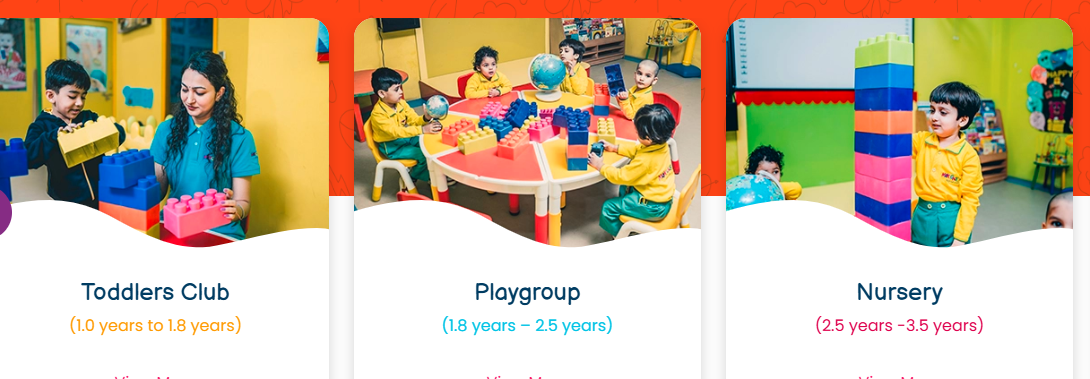
These franchises focus on children aged 2-6 years, offering play-based learning, foundational literacy, and social skill development. Preschool franchises are popular because of consistent year-on-year enrollment and relatively straightforward operations.
After-School Tutoring and Coaching Franchises
These cater to school-going children who need additional academic support in subjects like mathematics, science, and languages. This segment of the education franchise industry benefits from consistent demand, as academic competition continues to intensify across India.
Skill Development and Vocational Franchises
Covering areas such as coding, digital marketing, graphic design, and technical trades, these franchises target both students and working professionals seeking to enhance their employability. This is one of the fastest-growing categories within the education franchise space, fueled by the skills gap in India’s job market.
Competitive Exam Coaching Franchises
Franchises focused on preparing students for entrance exams like JEE, NEET, CAT, and UPSC often require larger investments but can generate substantial revenue due to high fee structures and strong brand loyalty among students and parents.
Language and Communication Training Franchises
With globalization increasing the demand for English proficiency and foreign language skills, language-training franchises have carved out a strong niche within the broader education franchise industry.
STEM, Coding, and Robotics Franchises
As parents increasingly prioritize future-ready skills for their children, franchises offering STEM education, robotics, and coding classes have become some of the most in-demand education franchise options in urban and semi-urban markets.
Step-by-Step Guide to Selecting the Right Education Franchise
Step 1: Assess Your Interests and Strengths
Before diving into research, reflect on what genuinely interests you. Are you passionate about early childhood development, or do you find skill-based vocational training more exciting? Choosing an education franchise segment aligned with your interests will make day-to-day operations far more enjoyable and sustainable.
Step 2: Analyze Local Market Demand
Every education franchise performs differently depending on the location. Research your target area’s demographics — average household income, number of schools nearby, competitor presence, and population density of children in the relevant age group.
Step 3: Shortlist and Compare Franchise Brands
Once you’ve identified your preferred segment, create a shortlist of established brands. Compare their franchise fees, royalty structures, training programs, and support systems. Don’t hesitate to request detailed franchise disclosure documents from each company.
Step 4: Talk to Existing Franchisees
One of the most valuable steps in this process is speaking directly with people already running that education franchise. Ask about their real-world experience, profitability timelines, challenges faced, and the level of support they actually receive from the franchisor — not just what’s promised in marketing materials.
Step 5: Evaluate the Financial Commitment
Understand the complete investment picture: initial franchise fee, security deposit, infrastructure setup costs, staff salaries, and ongoing royalty payments. Compare this against realistic revenue projections to calculate an accurate break-even timeline for your specific education franchise.
Step 6: Review Legal Documentation Carefully
Franchise agreements can be complex, often containing clauses related to territory restrictions, renewal terms, non-compete agreements, and termination conditions. It’s strongly recommended to have a franchise lawyer review the contract before signing anything.
Step 7: Plan Your Location and Setup
Location plays a critical role in the success of any education franchise. Look for spaces with good visibility, easy accessibility, adequate parking, and proximity to residential areas or schools, depending on your target audience.
Step 8: Complete Training and Launch
Most franchisors offer structured onboarding programs covering teaching methodology, administrative software, sales techniques, and customer service standards. Use this training period to build a strong foundation before your official launch.
Investment Range Across Different Education Franchise Categories
While costs vary based on brand reputation and city tier, here’s a general investment overview:
- Preschool franchises: ₹5 lakhs – ₹25 lakhs
- Tutoring and coaching franchises: ₹3 lakhs – ₹15 lakhs
- Skill development franchises: ₹5 lakhs – ₹30 lakhs
- Competitive exam coaching franchises: ₹10 lakhs – ₹50 lakhs
- International curriculum school franchises: ₹50 lakhs and above
These figures generally include franchise fees, interior setup, furniture, learning materials, initial staff training, and launch marketing. Always ask for a transparent cost breakdown before committing to any education franchise agreement.
Red Flags to Watch Out For
Not every education franchise opportunity is a good one. Watch out for these warning signs:
- Vague or unrealistic profit promises without supporting data from existing centers
- Lack of transparency regarding total costs and hidden fees
- Poor communication or slow responses during the inquiry stage, which often indicates weak ongoing support
- No physical centers to visit or franchisees willing to speak with you
- Overly aggressive sales tactics pressuring you to sign quickly without due diligence
Taking the time to identify these red flags early can save you from a costly mistake and help you find an education franchise partner that genuinely supports long-term success.
The Role of Technology in Modern Education Franchises
Technology has become a defining factor in the success of any education franchise today. Leading brands now integrate learning management systems, AI-powered assessments, digital attendance tracking, and hybrid learning models combining in-person and online instruction. When evaluating franchise options, prioritize brands that continuously invest in technology upgrades, as this directly impacts the quality of education delivered and your center’s competitive positioning in the market.
Marketing Your Education Franchise Effectively
While franchisors typically provide national-level marketing support, local promotion remains the franchisee’s responsibility. Effective strategies include:
- Building relationships with local schools for referral partnerships
- Hosting free workshops or demo classes to attract prospective students
- Leveraging social media to showcase student achievements and center activities
- Encouraging word-of-mouth referrals through loyalty programs or sibling discounts
- Local SEO and Google Business listings to capture nearby search traffic
Combining franchisor-level branding with grassroots local marketing tends to produce the best enrollment results for any education franchise.
Long-Term Growth Opportunities
Once your first education franchise center becomes profitable and operationally smooth, many franchisors offer opportunities to expand into multi-unit ownership. Successful franchisees often open second and third locations within the same city or even branch into neighboring towns. This scalability is one of the most compelling long-term advantages of the education franchise business model, allowing dedicated entrepreneurs to build a substantial regional or even national presence over time.
Final Thoughts
Choosing the right education franchise is a decision that deserves careful thought, thorough research, and honest self-reflection about your goals and capabilities. The right franchise partnership can provide not only strong financial returns but also the deep personal satisfaction of contributing meaningfully to children’s futures and community development.
By following a structured evaluation process — assessing market demand, comparing franchisors, reviewing financials, and speaking with existing partners — you can confidently select an education franchise that aligns with your vision and sets you up for sustainable, long-term success in India’s ever-growing education industry.