Introduction
A defined jawline can contribute significantly to facial balance, symmetry, and overall appearance. While genetics, natural aging, and facial structure influence the shape of the lower face, aesthetic treatments can provide a way to enhance its definition. Among modern contouring options, jawline fillers in Abu Dhabi are increasingly considered for creating a sharper and more structured appearance without changing the natural character of the face. By strategically adding volume along specific areas of the jawline, fillers can enhance its outline, improve proportions, and create a stronger-looking lower facial profile.
Understanding Jawline Fillers
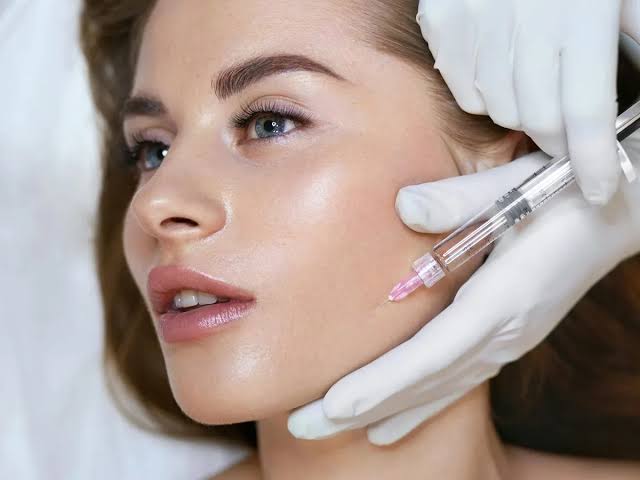
Jawline fillers are injectable aesthetic treatments designed to enhance the contour and definition of the lower face. They typically use a gel-like injectable material that can be carefully placed along selected areas of the jawline to create additional structure and projection.
The treatment is primarily focused on shaping rather than simply adding general facial volume. Placement can be customized according to the individual’s existing bone structure, facial proportions, and desired appearance. This allows the jawline to appear more prominent while maintaining harmony with the cheeks, chin, and other facial features.
How Do Jawline Fillers Create Definition?
A softer or less prominent jawline may result from naturally subtle bone structure, changes in facial volume, or reduced definition between the jaw and surrounding tissues. Jawline fillers can enhance this transition by adding carefully positioned volume along the lower facial contour.
When placed strategically, the filler can create a clearer visual boundary between the jawline and the neck. This can make the lower face appear more structured and defined. The amount and placement of filler influence the final appearance, making individualized treatment planning an important part of achieving balanced results.
Enhancing Jawline Projection
Projection refers to how prominently the jawline extends outward and contributes to the overall shape of the lower face. Some individuals naturally have a more delicate jaw structure, which can make the face appear softer.
Jawline fillers can provide additional projection in selected areas. By reinforcing the contour from the chin toward the angle of the jaw, the treatment may create a stronger and more noticeable outline. This can be particularly useful for people who want greater definition without pursuing a surgical procedure.
Creating a More Structured Lower Face
A strong jawline is not simply about making the jaw larger. Facial structure depends on proportion, and excessive volume can disrupt harmony between different features. The goal of jawline contouring is therefore to create a shape that complements the individual’s existing facial characteristics.
Strategic filler placement can emphasize the natural angles of the jaw while maintaining a proportionate relationship between the chin, cheeks, and lower face. This approach can produce a more sculpted appearance rather than an overly prominent or artificial-looking result.
Improving Facial Symmetry
Facial symmetry plays an important role in perceived attractiveness and balance. Natural differences between the left and right sides of the face are common, and the jawline may not appear completely even from one side to the other.
Jawline fillers can be used to visually balance areas where subtle differences in contour are present. Carefully adjusting volume along specific sections may help create a more even-looking jawline. The objective is not necessarily perfect symmetry but improved overall facial balance.
Defining the Jawline and Neck Transition
The relationship between the jawline and neck has a major influence on lower-face definition. When the transition is less distinct, the jaw may appear softer or less sculpted.
By enhancing the edge of the jaw, fillers may help create a clearer separation between the lower face and neck. This can make the profile appear more defined and may contribute to a cleaner-looking facial contour.
The visible effect depends on factors such as the individual’s anatomy, existing soft-tissue volume, and natural jaw structure. Filler can enhance the contour, but it does not completely change the underlying anatomy.
Can Jawline Fillers Make the Face Look More Masculine?
A stronger jawline is sometimes desired by people seeking a more traditionally masculine facial appearance. A wider or more angular lower face can contribute to this aesthetic impression.
Jawline fillers can emphasize the jaw’s horizontal length, angles, or projection depending on placement. The treatment can therefore be tailored toward a sharper or more angular appearance when that is the desired aesthetic direction.
However, facial balance remains important. A stronger jawline should complement the chin, cheeks, forehead, and other facial proportions rather than appearing disconnected from them.
Can Jawline Fillers Create a More Defined Feminine Contour?
Jawline enhancement is not limited to creating a traditionally masculine appearance. Different filler placement techniques can be used to produce a refined, elegant, or softly sculpted lower-face contour.
For individuals seeking a more delicate definition, the emphasis may be placed on smooth transitions and subtle shaping rather than significant width or projection. This demonstrates why treatment planning should be based on the individual’s facial proportions and aesthetic preferences.
The Role of the Chin in Jawline Definition
The chin and jawline work together to create the appearance of the lower face. If the chin is proportionally recessed or lacks projection, simply enhancing the sides of the jaw may not produce the desired balance.
In some aesthetic plans, the relationship between chin projection and jawline contour is considered when developing the overall shape. A balanced combination of these areas can create a more cohesive lower-face appearance.
The aim is to ensure that the jawline does not look isolated but instead complements the entire facial profile.
What Determines the Final Appearance?
Several individual characteristics influence how jawline fillers affect facial appearance. Existing bone structure, facial proportions, soft-tissue distribution, skin characteristics, and the amount of filler used can all influence the outcome.
The desired level of definition also matters. Some people prefer a subtle enhancement that is noticeable mainly as improved facial balance, while others may want a more pronounced contour.
Because every face has a different structure, customized treatment planning is important for creating an appearance that remains proportional and natural-looking.
How Long Does the Contouring Process Take?
Jawline filler treatment is generally designed as a minimally invasive approach to facial contouring. The procedure involves carefully planned injections into selected areas of the lower face.
The visible contour can become apparent relatively quickly, while the final appearance may continue to settle as the treated area adapts. The timeline can vary depending on the individual’s response and the specific treatment approach.
Understanding that facial contouring develops over time can help create realistic expectations about the final result.
Maintaining a Natural-Looking Jawline
Natural-looking enhancement depends largely on proportion and precision. A jawline that is excessively wide or prominent may not complement the rest of the face.
A balanced approach focuses on enhancing existing facial characteristics rather than completely changing them. Subtle adjustments can strengthen definition while preserving individuality.
The most successful aesthetic outcome is often one where the jawline appears naturally structured rather than obviously altered.
Why Personalized Jawline Enhancement Matters
There is no single jawline shape that suits everyone. Facial width, chin shape, cheek structure, and overall proportions differ considerably between individuals.
Personalized treatment planning allows the desired contour to be considered alongside the person’s existing features. This can help determine where additional definition may be beneficial and where maintaining softer transitions is more appropriate.
Such an individualized approach can support a more harmonious relationship between the jawline and the rest of the face.
Conclusion
Jawline fillers can help create a stronger-looking jawline by strategically enhancing projection, definition, contour, and facial balance. By adding volume to carefully selected areas, the treatment may make the lower face appear more structured while improving the transition between the jaw and neck.
The result depends on individual anatomy, facial proportions, treatment goals, and filler placement. Rather than simply making the jaw larger, effective contouring focuses on creating a balanced shape that complements the entire face. For people seeking a more defined lower-face appearance, jawline fillers can provide a customizable approach to enhancing natural facial structure.
FAQs
What are jawline fillers?
Jawline fillers are injectable aesthetic treatments used to enhance the shape, definition, and projection of the lower facial contour. They can be strategically placed along the jawline to create a more structured appearance.
How do jawline fillers make the jaw look stronger?
They add volume and projection to selected areas along the jawline, which can emphasize its natural angles and create a clearer, more defined lower-face contour.
Can jawline fillers improve facial symmetry?
Jawline fillers may help visually balance subtle differences between the two sides of the jaw by adjusting volume in selected areas.
Can jawline fillers define the jaw and neck area?
Enhancing the edge of the jaw may create a clearer transition between the lower face and neck, making the jawline appear more distinct.
Do jawline fillers change facial structure permanently?
Jawline fillers enhance the appearance of existing facial structure rather than permanently changing the underlying bone. The duration of the visible effect depends on the type of filler and individual factors.
Can jawline fillers create a natural-looking result?
Yes. When the amount and placement are tailored to facial proportions, jawline enhancement can create a subtle, balanced, and natural-looking contour.
Are jawline fillers suitable for different face shapes?
Jawline fillers can be customized according to different facial structures and aesthetic goals. Treatment planning considers the individual’s proportions and desired level of definition.
Can jawline fillers enhance the chin and jaw relationship?
Jawline and chin proportions work together to influence lower-face balance. Considering both areas can help create a more cohesive and structured appearance.