
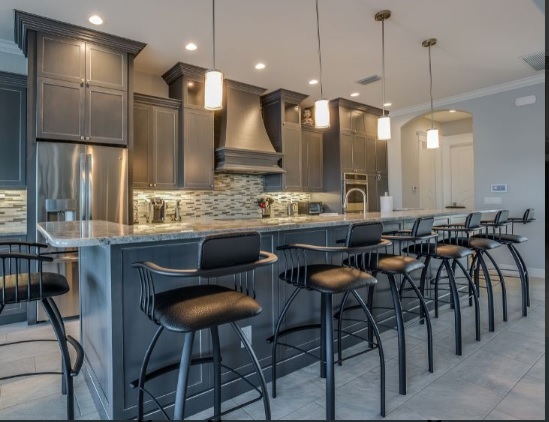
The transition from standard domestic cooking to high-heat, professional-style culinary techniques introduces a massive amount of physical danger and mechanical stress to a residential property. Homeowners are increasingly installing massive, commercial-grade wok burners and indoor open-flame grills that output over one hundred thousand BTUs of raw heat. Attempting to drop this level of firepower into a standard residential layout without completely re-engineering the surrounding architecture and mechanical systems is a recipe for catastrophic fire damage and severe structural failure. Accommodating extreme heat requires a strict adherence to commercial fire codes, highly specialised ventilation systems, and entirely non-combustible building materials.
The immediate threat posed by high-heat cooking is the rapid ignition of the surrounding combustible materials. Standard wooden cabinetry and traditional drywall cannot safely withstand the intense, radiant heat generated by a commercial wok burner operating at full capacity. During a serious Trumbull kitchen remodel, the physical zone immediately surrounding the cooktop must be constructed exactly like a commercial restaurant line. This means installing thick, heavy-gauge stainless steel plating directly onto the walls surrounding the burners, extending significantly higher and wider than a standard residential splashback. The base cabinetry supporting the heavy burners must also be shielded with non-combustible cement board or entirely constructed from steel to prevent the radiant heat from starting a slow, smouldering fire inside the woodwork.
Managing the massive volume of heavy smoke, atomised grease, and dangerous carbon monoxide generated by these open flames requires industrial-level mechanical ventilation. A standard, off-the-shelf extraction fan is entirely incapable of capturing the aggressive thermal plume produced by a searing wok. A high-capacity, commercial-style extraction hood is strictly mandatory. This hood must extend at least six inches past the physical edges of the cooking surface to effectively capture the billowing smoke before it escapes into the room. The internal blower motor must be rated for an exceptionally high CFM (Cubic Feet per Minute) capacity, physically pulling massive volumes of contaminated air entirely out of the house.
Operating an extraction system of this massive size introduces a highly complex engineering problem regarding indoor air pressure. When a commercial hood pulls over a thousand cubic feet of air out of your house every minute, it creates a dangerous negative pressure vacuum inside the building. This vacuum can violently suck dangerous carbon monoxide back down the flues of your fireplace, your gas water heater, or your furnace, poisoning the air you breathe. To safely operate a high-capacity hood, a dedicated Make-Up Air (MUA) system must be professionally installed. This heavy mechanical system automatically pulls fresh, tempered air into the house from the outside at the exact same rate the hood exhausts it, keeping the internal air pressure perfectly balanced and safe.
The physical gas supply lines must be significantly upgraded to feed these massive burners. A standard residential gas line simply cannot deliver the necessary volume of fuel to sustain a one-hundred-thousand BTU wok burner and a large oven simultaneously. Plumbers must run entirely new, larger-diameter black iron gas pipes directly from the main utility meter to the cooking zone. This highly specialised plumbing work requires strict municipal permits and rigorous pressure testing to ensure there are absolutely no leaks under the increased volume, protecting the property from the threat of a massive explosion.
Fire suppression must be taken extremely seriously when operating open flames indoors. Relying solely on a small, expired fire extinguisher tucked under the sink is entirely insufficient when dealing with massive grease fires. Homeowners installing commercial-style equipment should strongly consider integrating a localised, automatic fire suppression system directly into the extraction hood. These systems, identical to those used in restaurants, use heat-sensitive links that automatically discharge a heavy chemical foam directly onto the cooking surface the moment a dangerous fire is detected, instantly smothering the flames before they can reach the wooden ceiling joists.
Bringing commercial-grade firepower into a residential setting is a major engineering undertaking that demands absolute precision and strict adherence to safety protocols. By investing heavily in massive extraction hoods, balanced make-up air systems, and non-combustible steel shielding, ambitious chefs can safely operate professional equipment in their homes. The resulting space allows for the highest level of culinary execution without ever compromising the structural safety of the property.
Conclusion
Installing high-heat wok burners and indoor grills requires strict commercial-grade engineering to prevent catastrophic fire damage and carbon monoxide buildup. By implementing massive extraction hoods, heavy-gauge stainless steel shielding, and professional make-up air systems, homeowners can safely accommodate extreme, open-flame cooking in a residential setting.
Call to Action
Ensure the absolute structural safety of your home by consulting our technical engineers to properly design the complex ventilation and fire-suppression systems required for commercial-grade cooking.
