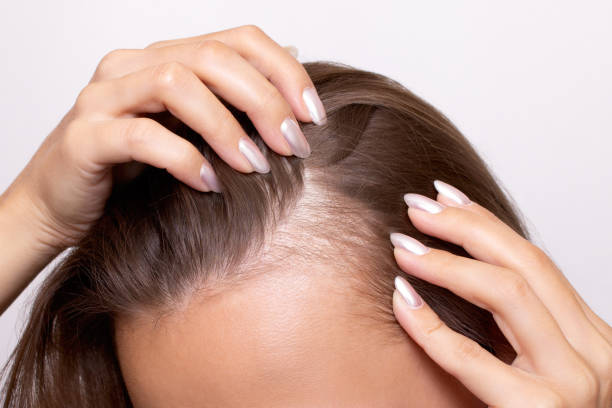
Hair loss affects both men and women, although the pattern, progression, and visible signs can differ considerably. As regenerative approaches continue to gain attention in hair restoration, many people are asking whether G Cell Treatment can be suitable regardless of gender. G Cell Treatment in Abu Dhabi is designed around regenerative principles that aim to support weakened hair follicles and encourage healthier hair growth. Research into cell-based approaches for both male and female pattern hair loss has shown encouraging potential, making regenerative treatment an area of growing interest for people experiencing thinning, reduced density, or gradual hair loss.
How Hair Loss Differs Between Men and Women
Men and women can experience androgenetic alopecia, commonly referred to as male or female pattern hair loss. However, the way it appears is often different. Men frequently notice recession around the temples or a thinning crown, while women may experience more diffuse thinning across the top of the scalp while maintaining the general shape of the frontal hairline.
These differences do not necessarily mean that regenerative hair treatments are limited to one gender. Instead, the important consideration is the condition of the individual hair follicles and the underlying reason for hair loss. Research involving cell-based treatment has specifically included both male and female participants, with findings indicating that both groups can potentially respond to regenerative approaches.
How G Cell Treatment May Work
G Cell Treatment is associated with regenerative medicine, a field focused on supporting the biological processes involved in tissue and follicular health. Hair follicles depend on specialized cells and signaling pathways to remain active and produce healthy strands. When follicles become progressively weaker, their growth cycle can change and the hairs they produce may become finer.
A cell-based regenerative approach aims to support the environment surrounding these follicles and encourage cellular activity associated with hair growth. Depending on the specific G Cell protocol, the treatment may involve regenerative cells or cellular components intended to promote healthier follicular function.
The objective is not simply to create a temporary cosmetic improvement but to support the biological environment in which hair follicles grow.
Is G Cell Treatment Suitable for Men?
G Cell Treatment may be suitable for men experiencing pattern hair loss, particularly when follicles are still present but have become weakened or miniaturized. Male pattern hair loss frequently involves progressive changes around the hairline, temples, and crown, making follicular support an important consideration.
Research involving autologous cell-based therapy for male pattern hair loss has demonstrated improvements in hair density and hair diameter in treated areas. These findings suggest that regenerative approaches may have potential for men experiencing certain forms of pattern hair loss.
However, suitability depends on the individual’s hair-loss pattern and follicular condition. A regenerative treatment should therefore be considered according to the characteristics of the person’s scalp rather than simply their gender.
Is G Cell Treatment Suitable for Women?
Women can also experience pattern hair loss, and regenerative treatments may be relevant for female patients experiencing thinning or reduced hair density. Female pattern hair loss often presents as diffuse thinning over the central scalp rather than pronounced recession, although individual patterns can vary.
Clinical research involving cell-based therapy has included women with female pattern hair loss and reported improvements in hair density and diameter. Importantly, one randomized clinical study involving both men and women found similar improvements between the two groups following a specific cell-based treatment approach.
This provides encouraging evidence that regenerative hair treatments can have potential for women as well as men, although the exact response can differ between individuals.
Why Follicle Condition Matters More Than Gender
When considering whether G Cell Treatment is suitable, the condition of the hair follicles is generally more relevant than whether the patient is male or female. A follicle that has become thin and weakened may have different regenerative potential from an area where follicular activity has been significantly reduced for a long period.
The stage of hair loss, pattern of thinning, duration of the condition, and individual biological response can all influence treatment suitability. This is why an individualized assessment is important before determining whether a regenerative approach matches a person’s hair-restoration goals.
G Cell Treatment for Different Hair-Loss Patterns
Men and women may both experience gradual follicular miniaturization, but their visible patterns can vary. Men may seek treatment for a receding hairline, thinning crown, or increasing scalp visibility. Women may be more concerned about widening part lines, reduced overall volume, or thinning across the upper scalp.
Because G Cell Treatment focuses on supporting follicular activity, its potential application is not necessarily limited to one particular scalp region. The treatment approach can be considered in relation to where viable but weakened follicles remain.
The underlying cause still matters, however. Not every type of hair loss results from the same biological process, so regenerative treatment may not be equally appropriate for every individual.
What Can Men and Women Expect From Treatment?
Expectations should be realistic for both men and women. Regenerative treatment may support existing follicles and potentially improve the appearance of hair density and thickness, but it should not automatically be regarded as a guaranteed method of completely restoring a person’s original hair volume.
Hair growth also takes time. Hair follicles move through natural growth cycles, meaning visible changes generally develop gradually rather than immediately. The eventual appearance of the hair can depend on the starting condition of the follicles and how an individual’s scalp responds to treatment.
Why Individual Assessment Is Important
Two people of the same gender can have very different causes and patterns of hair loss. Similarly, men and women with comparable levels of thinning may have different treatment goals and follicular characteristics.
An individualized assessment can help determine the extent of follicular miniaturization, the areas affected by hair loss, and whether regenerative treatment is appropriate. It can also help establish realistic expectations about what improvement may be possible.
This personalized approach makes G Cell Treatment more than a gender-specific hair solution. Its potential relevance depends on the biological condition of the scalp and follicles.
The Growing Role of Regenerative Hair Treatments
Research into regenerative hair restoration has expanded considerably, with studies examining stem cells, follicle-derived cells, extracellular vesicles, and other biological approaches. Reviews of clinical research indicate that cell-based and cell-derived treatments show potential for improving hair regeneration and density in androgenetic alopecia affecting both men and women.
At the same time, regenerative hair restoration remains an evolving field. Researchers continue to investigate treatment protocols, appropriate patient selection, treatment durability, and the biological mechanisms responsible for follicular improvement.
This means G Cell Treatment can be viewed as part of a broader movement toward regenerative approaches to hair restoration rather than as a universal solution for every form of hair loss.
Can Both Men and Women Consider G Cell Treatment?
Yes, both men and women may be candidates for G Cell Treatment when their pattern and type of hair loss are appropriate for a regenerative approach. The available research on cell-based hair therapies supports the idea that regenerative treatment can be relevant to both male and female pattern hair loss.
The key consideration is not gender alone but whether the affected follicles remain capable of responding. For people experiencing progressive thinning, reduced density, or follicular miniaturization, G Cell Treatment may offer a promising avenue for supporting healthier-looking hair.
Ultimately, the most appropriate treatment decision comes from understanding the individual’s hair-loss pattern, follicular condition, and desired outcome. With realistic expectations and proper evaluation, regenerative hair treatment can be considered by both men and women seeking an approach focused on supporting natural follicular activity.
FAQs
Is G Cell Treatment suitable for both men and women?
Yes. G Cell Treatment may be considered for both men and women experiencing certain types of hair loss, particularly pattern hair loss involving weakened or miniaturized follicles.
Does G Cell Treatment work differently for men and women?
The underlying regenerative principles can be similar, but men and women often experience different hair-loss patterns. As a result, the treatment approach and expected outcome may vary according to the individual’s scalp and follicular condition.
Can women with diffuse hair thinning consider G Cell Treatment?
Women with diffuse thinning may potentially benefit from a regenerative approach when the affected follicles remain active. An assessment of the cause and pattern of thinning is important before determining suitability.
Can men with a receding hairline consider G Cell Treatment?
Men with a receding hairline may be candidates when viable hair follicles remain in the affected areas. The potential for improvement depends on the degree of follicular miniaturization and the individual’s response to treatment.
Is gender the main factor in determining suitability?
No. Gender is only one consideration. The condition of the hair follicles, type of hair loss, extent of thinning, and individual treatment goals are generally more important when determining whether G Cell Treatment is appropriate.