
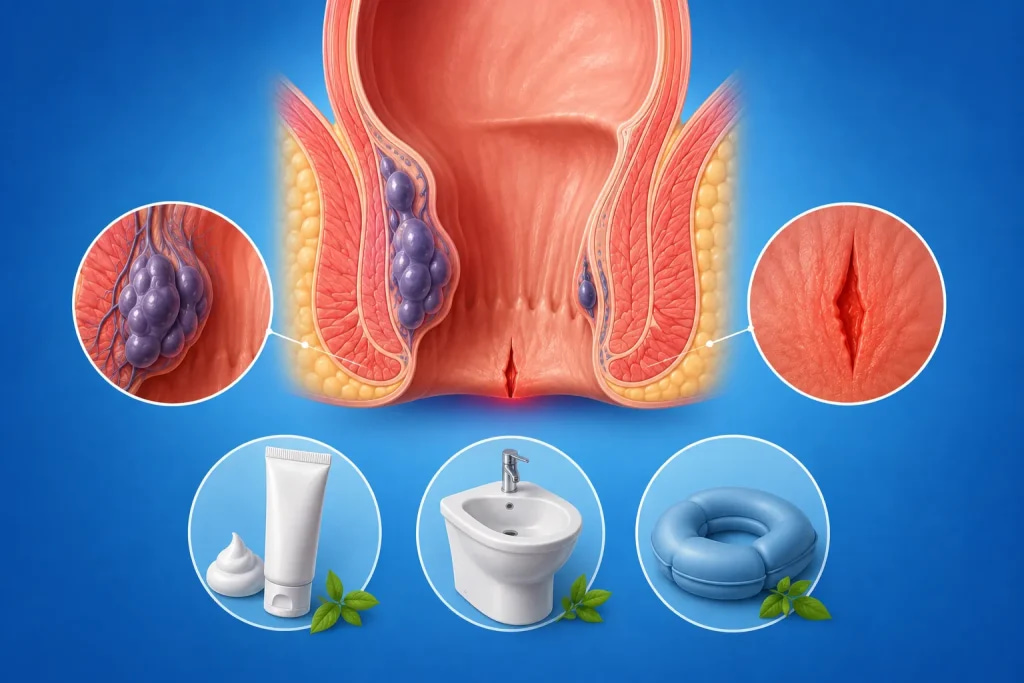
An anal fissure is a small tear in the skin around the anus that can cause sharp pain, burning, and bleeding during bowel movements. Although it can be uncomfortable, most anal fissures improve with proper care and treatment. Understanding the causes, symptoms, medicines, home remedies, and surgical options can help manage the condition effectively.
What Is an Anal Fissure?
An anal fissure is a small cut or tear in the lining of the anal canal. It usually develops when the tissue becomes stretched or injured during the passage of hard stools. The tear can cause significant pain because the area contains many sensitive nerve endings.
Anal fissures can be acute or chronic. Acute fissures are recent tears that usually heal within a few weeks with proper care. Chronic fissures last longer than six weeks and may require advanced treatments such as prescription medicines or surgery.
Common Symptoms of an Anal Fissure
The symptoms of an anal fissure are often noticeable during or after bowel movements. The most common symptom is sharp, intense pain while passing stool. This pain may continue for minutes or even hours after using the bathroom.
Other symptoms include bright red blood on toilet paper or on the surface of stool, itching or irritation around the anus, and a small visible crack in the skin. Some people may also notice a small skin tag near the fissure, especially in long-lasting cases.
What Causes an Anal Fissure?
Anal fissures usually occur when the anal lining becomes damaged due to pressure or injury. The most common cause is passing large, hard stools caused by constipation. Straining during bowel movements can put extra pressure on the anal muscles and increase the risk of tearing.
Other causes may include frequent diarrhea, childbirth, inflammatory bowel diseases such as Crohn’s disease, and reduced blood flow to the anal area. Certain habits, such as ignoring the urge to pass stool or having an unhealthy diet low in fiber, can also contribute to the problem.
Home Care for Treating an Anal Fissure
Many anal fissures heal naturally with proper home care, especially when treatment focuses on reducing strain during bowel movements. The main goal is to keep stools soft and prevent further irritation.
Increasing fiber intake through vegetables, fruits, whole grains, and fiber supplements can make bowel movements easier. Drinking enough water helps prevent constipation and supports healthy digestion. Avoiding excessive pushing or sitting on the toilet for long periods can also reduce pressure on the affected area.
Warm sitz baths are another helpful method. Sitting in warm water for around 10 to 15 minutes several times a day can relax anal muscles, reduce pain, and improve blood flow to support healing.
Medicines Used for Anal Fissure Treatment
Doctors may recommend different medicines depending on the severity and duration of symptoms. Over-the-counter pain relievers can help manage discomfort, while topical creams may reduce irritation and pain.
For chronic fissures, prescription medicines may be used to relax the anal sphincter muscles and improve blood flow to the area. Medications containing nitroglycerin or calcium channel blockers such as diltiazem or nifedipine may help the fissure heal by reducing muscle tension.
In some cases, doctors may recommend stool softeners or fiber supplements to prevent hard stools and reduce the chance of reopening the tear.
Importance of Diet and Lifestyle Changes
A healthy diet plays an important role in preventing and treating anal fissures. Foods rich in fiber help create softer stools, making bowel movements less painful. Adults should include enough fruits, vegetables, legumes, and whole grains in their daily meals.
Regular physical activity can also improve bowel movements and reduce constipation. It is important to maintain a healthy bathroom routine and avoid delaying bowel movements when you feel the urge.
Making these lifestyle changes not only supports healing but also lowers the risk of developing future fissures.
Medical Procedures for Chronic Anal Fissures
If an anal fissure does not heal after several weeks of home care and medicines, medical procedures may be considered. A gastroenterologist can examine the condition and recommend the most suitable treatment.
One common procedure is Botox injection therapy. Botox helps relax the anal sphincter muscles, reducing pressure and allowing the fissure to heal. This treatment is minimally invasive and may be recommended for patients who do not respond well to medicines.
Medical procedures are usually considered before surgery, especially when symptoms continue despite proper treatment.
Surgical Treatment for Anal Fissure
Surgery may be recommended for chronic anal fissures that do not improve with medicines or other treatments. The most common surgical procedure is lateral internal sphincterotomy.
During this procedure, a small portion of the internal anal sphincter muscle is carefully cut to reduce muscle tension and improve healing. It has a high success rate and can provide long-term relief for many patients.
Although surgery is effective, it is important to discuss potential risks and benefits with a specialist before choosing this option.
Recovery After Anal Fissure Treatment
Recovery depends on the severity of the fissure and the type of treatment used. People who improve through diet changes, medicines, and home care may recover within a few weeks. Surgical recovery may take longer but often provides lasting results.
During recovery, patients should continue eating a high-fiber diet, drinking plenty of fluids, and following their doctor’s instructions. Keeping the area clean and avoiding constipation are essential for proper healing.
If pain, bleeding, or symptoms return after treatment, medical advice should be taken to prevent complications.
How to Prevent Anal Fissures
Preventing anal fissures mainly involves maintaining healthy bowel habits. Eating enough fiber, drinking sufficient water, and staying physically active can help prevent constipation and hard stools.
Avoiding excessive straining during bowel movements is also important. People who frequently experience digestive problems should address the underlying causes with guidance from a healthcare professional.
Maintaining good hygiene and treating conditions like chronic diarrhea or inflammatory bowel disease can further reduce the risk of developing anal fissures.
When Should You See a Gastroenterologist?
Although many anal fissures improve with home care, some cases require professional evaluation. You should consult a gastroenterologist if pain continues, bleeding increases, or symptoms do not improve after several weeks.
A specialist can confirm whether the problem is an anal fissure or another condition with similar symptoms. Early diagnosis helps ensure proper treatment and prevents the condition from becoming chronic.
Book Online Appointment with Best Gastroenterologist via InstaCare
If you are experiencing ongoing anal pain, bleeding, or discomfort during bowel movements, getting expert medical advice can help you find the right treatment. You can book an online appointment with the best gastroenterologist via InstaCare for proper evaluation and personalized care. A qualified specialist can recommend suitable medicines, lifestyle changes, or procedures based on your condition and recovery needs.
Conclusion
An anal fissure can cause significant discomfort, but it is usually treatable with the right approach. Simple measures such as increasing fiber intake, drinking enough water, and using recommended medicines can help many people recover. For chronic cases, medical procedures or surgery may provide effective long-term relief.
Seeking timely medical advice can prevent complications and improve healing. If symptoms continue or worsen, consulting a gastroenterologist is the best way to receive proper diagnosis and treatment.
Frequently Asked Questions (FAQs)
1. How long does an anal fissure take to heal?
Most acute anal fissures heal within a few weeks with proper home care, diet changes, and medicines. Chronic fissures may take longer and may require medical treatment.
2. Can an anal fissure heal without surgery?
Yes, many anal fissures heal without surgery through fiber-rich diets, stool softeners, warm baths, and prescribed medications. Surgery is usually considered only when other treatments fail.
3. What foods should I avoid with an anal fissure?
You should avoid foods that may worsen constipation, such as low-fiber processed foods. Limiting excessive spicy foods may also help reduce irritation for some people.
4. Is bleeding from an anal fissure normal?
Small amounts of bright red bleeding during bowel movements are common with anal fissures. However, frequent or heavy bleeding should be checked by a healthcare professional.
5. When is surgery needed for an anal fissure?
Surgery may be needed when a fissure becomes chronic and does not improve after several weeks of medicines and lifestyle changes. A gastroenterologist can determine if surgery is the right option.

