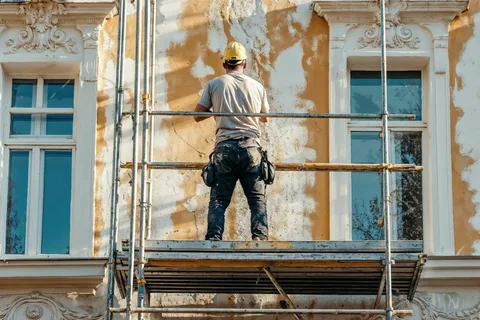
The exterior of a property plays an important role in protecting the building from weather, moisture, and everyday environmental exposure. Stucco is a popular exterior finish because it can provide both a clean appearance and a protective layer when properly installed and maintained.
The exterior of a property plays an important role in protecting the building from weather, moisture, and everyday environmental exposure. Stucco is a popular exterior finish because it can provide both a clean appearance and a protective layer when properly installed and maintained. However, cracks, gaps, water intrusion, and poor installation can reduce its effectiveness over time.
For Philadelphia property owners, professional installation and timely repairs can help address these issues before they become more serious. Working with an experienced stucco contractor philadelphia can help property owners evaluate the condition of their exterior, identify potential problem areas, and choose suitable repair or installation solutions.
Why Professional Stucco Work Matters
Stucco is more than a decorative coating. A properly installed stucco system works as part of the building’s exterior assembly and must be installed with appropriate preparation, materials, curing, and moisture-management details.
Philadelphia’s changing weather conditions can place additional demands on exterior surfaces. Rain, humidity, winter temperatures, and freeze-thaw cycles can contribute to cracking and deterioration when an exterior system is not properly maintained. Local stucco professionals commonly identify moisture intrusion and freeze-thaw exposure as concerns for Philadelphia properties.
Professional stucco work focuses on both the visible surface and the conditions underneath it.
1. Helps Protect Against Moisture
Moisture is one of the major concerns when maintaining an exterior stucco system. Small cracks, failed sealants, damaged flashing, or openings around windows and doors can create pathways for water.
If water becomes trapped behind the stucco, it may affect sheathing, insulation, framing, and other parts of the wall assembly. This is why professional assessments should look beyond visible surface damage when moisture intrusion is suspected.
A qualified contractor can inspect areas where water commonly enters and determine whether the problem requires simple repair, sealing, or more extensive remediation.
2. Addresses Cracks Before They Become Larger Problems
Small cracks may initially appear to be a cosmetic concern, but they should not automatically be ignored. Changes in temperature and moisture can cause existing cracks to expand over time.
Professional repair involves identifying the type and extent of the cracking before selecting a repair method. Depending on the condition, the contractor may repair localized areas, replace damaged sections, or investigate whether moisture or movement is contributing to the problem.
Addressing visible deterioration early can help property owners avoid allowing minor exterior problems to develop into more extensive damage.
3. Supports Weather Resistance
Philadelphia properties experience a range of seasonal conditions. Exterior stucco surfaces may be exposed to rain, humidity, snow, and repeated temperature changes throughout the year.
Proper preparation and installation can help stucco perform more effectively under these conditions. Philadelphia’s Department of Licenses and Inspections provides specific requirements for exterior plaster and stucco work, including standards for installation and curing conditions.
Professional contractors should understand these requirements and follow appropriate installation practices for the specific stucco system being used.
4. Improves the Exterior Appearance
Protection is important, but appearance is another reason property owners invest in professional stucco work.
Cracks, stains, discoloration, loose sections, and uneven patches can make an otherwise well-maintained property look neglected. Professional repairs can help restore a more consistent exterior appearance while addressing the underlying cause of deterioration.
For new construction or larger remodeling projects, property owners can also select stucco textures and finishes that complement the architectural style of the building.
5. Helps Identify Hidden Problems
One of the advantages of professional stucco inspection is that visible damage does not always tell the entire story.
For example, staining, bubbling, soft areas, or bulging sections may indicate moisture-related problems behind the surface. Local stucco specialists recommend investigating these warning signs instead of treating every problem as a simple cosmetic defect.
A professional assessment can help determine whether the affected area requires surface repair or whether additional investigation is necessary.
6. Proper Installation Can Improve Long-Term Performance
The quality of the installation has a direct impact on how an exterior stucco system performs over time.
Proper surface preparation, appropriate layering, suitable materials, correct curing conditions, and attention to moisture management are important components of professional stucco work. Philadelphia’s published exterior-wall guidance specifically references ASTM standards and requirements for stucco and exterior plaster applications.
This makes professional installation particularly important for property owners who want their exterior finish to perform reliably over the long term.
7. Professional Repairs Can Help Preserve Existing Properties
Older Philadelphia homes and buildings may have exterior systems that have experienced years of weather exposure. Instead of automatically replacing an entire facade, a professional evaluation can help determine which areas actually require attention.
Depending on the condition of the property, solutions may include:
- Crack repair
- Stucco patching
- Surface restoration
- Sealing around openings
- Moisture investigation
- Flashing corrections
- Partial stucco replacement
- Complete stucco remediation
- New stucco installation
The appropriate solution depends on the condition of the existing wall system and the source of the damage.
8. Choosing the Right Stucco Professional
When searching for a stucco contractor philadelphia, property owners should look beyond price alone. A qualified contractor should be able to explain the proposed work and identify the reason behind the recommended repair.
Consider asking about:
- Experience with similar properties
- Stucco repair and installation methods
- Moisture-management practices
- Surface preparation
- Materials being used
- Expected project timeline
- Repair warranty or workmanship coverage
- Required permits or applicable local requirements
It is also useful to request a detailed estimate that explains the scope of work instead of relying on a basic price quote.
9. Regular Maintenance Can Extend Exterior Performance
Professional installation does not eliminate the need for maintenance. Property owners should periodically examine their exterior for signs of deterioration.
Warning signs can include:
- New or expanding cracks
- Dark stains
- Bulging or loose stucco
- Damaged areas around windows and doors
- Peeling or deteriorating finishes
- Water marks on nearby interior walls
- Gaps around exterior penetrations
Early attention can make it easier to determine whether a problem is isolated or part of a larger moisture-related issue.
Final Thoughts
Professional stucco work can contribute to both the appearance and protection of Philadelphia properties. Proper installation, timely repairs, moisture management, and routine maintenance can help exterior surfaces handle changing weather conditions while reducing the risk of preventable deterioration.
Whether a property needs a small repair, exterior restoration, or a complete stucco installation, working with a knowledgeable stucco contractor philadelphia can help ensure that the project is approached according to the property’s specific condition and requirements.
A professional evaluation is a practical starting point for understanding what your stucco system needs and determining the appropriate next step.
Frequently Asked Questions
1. Why is professional stucco work important for Philadelphia properties?
Professional stucco work can help address moisture management, cracking, surface deterioration, and installation quality. Philadelphia’s seasonal weather conditions make proper exterior maintenance particularly important.
2. Can small stucco cracks cause problems?
They can. Cracks may allow moisture to reach areas behind the stucco, depending on the condition of the exterior assembly. It is better to have significant or recurring cracks evaluated rather than assuming they are purely cosmetic.
3. How can I tell if my stucco has moisture damage?
Possible warning signs include staining, soft or bulging areas, deteriorating surfaces, cracks, or water-related marks around windows and interior walls. A professional inspection may be needed to determine whether moisture has moved behind the surface.
4. Should damaged stucco always be completely replaced?
No. The appropriate solution depends on the extent and cause of the damage. Some problems can be addressed through localized repairs, while widespread deterioration or moisture intrusion may require more extensive remediation.
5. How often should stucco be inspected?
There is no single schedule that works for every property. However, property owners should visually check exterior surfaces periodically and arrange a professional assessment when they notice cracks, staining, bulging, or other signs of deterioration.
6. What should I ask a stucco contractor before hiring them?
Ask about their experience, repair methods, materials, moisture-management approach, project scope, timeline, warranty, and any applicable permit or code requirements. A detailed written estimate can also help you understand exactly what the project includes.
7. Can professional stucco work improve a property’s appearance?
Yes. Professional repair and installation can restore damaged surfaces, improve consistency, and provide a finish that complements the property’s architectural style.
8. When should I contact a stucco contractor?
Contact a professional when you notice significant cracking, staining, bulging, loose sections, recurring damage, or signs of moisture intrusion. Early evaluation can help determine the appropriate repair before the issue becomes more extensive.
Explore Our Latest Articles for More Tips and Information