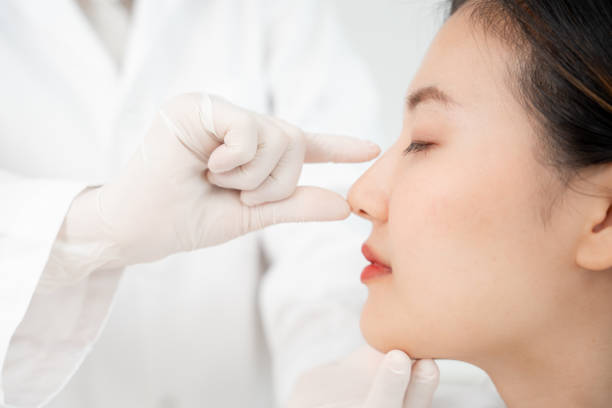
Introduction
The nose plays an important role in facial balance, symmetry, and overall appearance, while its shape and structure can also influence certain functional concerns. When someone feels that the nose looks disproportionate, has an unwanted contour, or does not complement other facial features, rhinoplasty can provide a personalized approach to reshaping and refining it. For many people considering Rhinoplasty in Abu Dhabi, the treatment stands out because it can address several aesthetic and structural concerns within one carefully planned procedure. Rather than focusing on a single feature, rhinoplasty considers how the nose relates to the forehead, cheeks, lips, chin, and overall facial proportions, helping create a more harmonious appearance.
Understanding Why Nose Shape Matters to Facial Harmony
The nose occupies a central position on the face, which means even relatively small changes can influence overall facial balance. A prominent bridge, downward-facing tip, wide nostrils, or disproportionate nasal size may draw attention away from other facial features.
Rhinoplasty can refine these relationships by adjusting the shape and proportions of the nose. Instead of viewing the nose separately, treatment planning considers the complete facial structure. This approach can help create a balanced appearance in which the nose complements surrounding features rather than appearing overly dominant or noticeably different.
Addressing a Prominent Nasal Bridge
A prominent or uneven nasal bridge is one of the concerns that may lead individuals to consider rhinoplasty. The bridge can affect the appearance of the nose from both the front and side. When it appears particularly raised or irregular, it may make the profile look less balanced.
Rhinoplasty can reshape the bridge according to the desired facial proportions. Refinement may help create smoother transitions between the nose and other facial structures. The goal is not necessarily to make the bridge completely straight or extremely narrow, but to establish a shape that looks natural in relation to the rest of the face.
Refining the Nasal Tip
The nasal tip can have a significant influence on the character of the nose. Concerns may include a rounded, broad, asymmetrical, drooping, or overly projected tip. Because the tip is positioned at the lower portion of the nose, its shape can affect both the profile and front-facing appearance.
Rhinoplasty can refine the tip by carefully addressing its underlying structure. Depending on individual requirements, changes may focus on projection, definition, rotation, or proportion. A refined tip can contribute to a more balanced nasal appearance without making the nose look artificial.
Improving Nasal Proportions
Nasal proportions are an important consideration when determining whether a nose complements the face. A nose that appears too large, too small, too wide, or too narrow compared with surrounding features can affect perceived facial harmony.
Rhinoplasty allows the dimensions of the nose to be considered as a whole. Changes to length, width, height, and projection may be incorporated into the treatment plan when appropriate. Maintaining proportional relationships is important because an isolated change may not produce the desired overall appearance.
Creating a More Balanced Profile
The side profile provides another perspective from which nasal concerns can become noticeable. A curved bridge, excessive projection, recessed appearance, or downward-pointing tip can influence how the face looks from the side.
Rhinoplasty can modify selected structural features to produce a smoother and more balanced profile. The objective is usually refinement rather than creating an identical appearance to another person. A successful aesthetic approach takes individual facial characteristics into account so that the nose remains consistent with the person’s overall appearance.
Addressing Nasal Asymmetry
Perfect facial symmetry is uncommon, and the nose can naturally have differences between its two sides. Some individuals may notice asymmetry in the nostrils, nasal tip, bridge, or overall alignment.
Rhinoplasty can be used to improve certain forms of nasal asymmetry by making carefully planned structural adjustments. While complete symmetry may not always be realistic, improving visible imbalance can contribute to a more harmonious appearance.
Rhinoplasty and Individual Facial Features
One of the reasons rhinoplasty can be considered a comprehensive solution is its relationship with the rest of the face. The nose should not be evaluated independently because its appearance can influence how the eyes, lips, cheeks, and chin are perceived.
A personalized rhinoplasty plan considers these relationships when establishing the desired shape. For example, the ideal nasal projection can depend on the position of the chin and other facial proportions. This broader perspective can help ensure that changes to the nose support overall facial harmony.
Natural-Looking Results
Many people considering nose reshaping want improvement without an obviously altered appearance. Rhinoplasty can be planned around this preference by focusing on proportion, structural balance, and facial compatibility.
A natural-looking result does not mean that the nose remains unchanged. Instead, it means the modifications are designed to fit the individual’s facial characteristics. Subtle transitions, appropriate proportions, and balanced contours can help the reshaped nose appear integrated with the rest of the face.
Personalized Treatment Planning
Every nose has a different structure, and every person has different aesthetic priorities. This makes individualized planning an important part of rhinoplasty. Factors such as nasal proportions, skin characteristics, facial structure, existing asymmetry, and personal goals may influence the approach.
A detailed assessment helps determine which areas require refinement and which features should remain unchanged. This personalized strategy can make rhinoplasty more precise and focused on the individual’s concerns rather than following a one-size-fits-all approach.
Long-Term Considerations
Rhinoplasty is generally considered when someone wants a lasting change to the structure and appearance of the nose. Unlike temporary aesthetic approaches, surgical reshaping involves modifying the underlying nasal framework.
Because the nose is central to facial appearance, thoughtful planning is important when considering permanent structural changes. The desired outcome should be based on facial proportions and realistic expectations rather than short-term trends.
Why Rhinoplasty Can Be a Comprehensive Solution
Rhinoplasty can address several concerns at once, including nasal size, bridge shape, tip definition, projection, width, nostril proportions, and certain forms of asymmetry. This versatility is one of the main reasons it is considered a comprehensive approach to nose reshaping.
Instead of treating each concern as a separate aesthetic issue, rhinoplasty can combine appropriate structural adjustments into one coordinated treatment plan. The result can be a more cohesive change that improves the relationship between different parts of the nose and the rest of the face.
Who May Consider Rhinoplasty
Rhinoplasty may be considered by adults who are dissatisfied with specific aspects of their nose and want structural or aesthetic refinement. Some people may have concerns about their nasal profile, while others may be more focused on the front-facing appearance or overall facial balance.
A suitable candidate should have realistic expectations and a clear understanding of the changes that may be achievable. Individual anatomy plays an important role in determining the appropriate approach and potential outcome.
What to Expect From the Consultation Process
The consultation provides an opportunity to discuss specific concerns, desired changes, and overall aesthetic preferences. The nasal structure and facial proportions can be assessed to determine how different modifications might influence the appearance of the face.
Clear communication is important because terms such as smaller, straighter, narrower, or more defined can mean different things to different people. Discussing these goals in detail helps establish a treatment plan that reflects the individual’s expectations and anatomy.
Conclusion
Rhinoplasty can be an effective solution for people seeking meaningful improvement in the shape, size, proportions, or symmetry of the nose. Its greatest advantage is its ability to address multiple concerns through a personalized structural approach. By considering the nose in relation to the entire face, rhinoplasty can help create improved balance while preserving an appearance that feels natural and individual. For those exploring Rhinoplasty in Abu Dhabi, understanding the procedure’s versatility and the importance of personalized planning can make the decision-making process more informed.
Frequently Asked Questions
What concerns can rhinoplasty address?
Rhinoplasty can address concerns involving nasal size, bridge shape, tip definition, projection, width, nostril proportions, and certain forms of asymmetry. The specific changes depend on individual anatomy and treatment goals.
Can rhinoplasty improve facial balance?
Yes, rhinoplasty can improve the relationship between the nose and surrounding facial features. Adjusting nasal proportions may help create a more harmonious appearance.
Can rhinoplasty create a natural-looking nose?
Rhinoplasty can be planned to maintain natural-looking proportions and transitions. The aim is generally to create a nose that complements the individual’s facial characteristics rather than appearing disconnected from them.
Is rhinoplasty suitable for different nose shapes?
Rhinoplasty can be customized for many different nasal structures and aesthetic concerns. The approach depends on the existing anatomy and the changes being considered.
How important is facial proportion in rhinoplasty?
Facial proportion is highly important because the nose is positioned at the center of the face. Considering the relationship between the nose and other facial features can help support a balanced result.
Can rhinoplasty address an uneven nasal appearance?
Rhinoplasty may improve certain forms of nasal asymmetry by modifying selected structural areas. The extent of improvement depends on the individual’s anatomy and the nature of the asymmetry.
Does rhinoplasty only change the appearance of the nose?
Rhinoplasty primarily focuses on nasal structure and appearance, but changes to the nose can influence the perceived balance of the entire face. This is why overall facial proportions are considered during treatment planning.
What makes rhinoplasty different from temporary nose-shaping approaches?
Rhinoplasty involves surgical modification of nasal structures, allowing more substantial and lasting changes than temporary approaches. It can address multiple structural concerns within a coordinated treatment plan.