
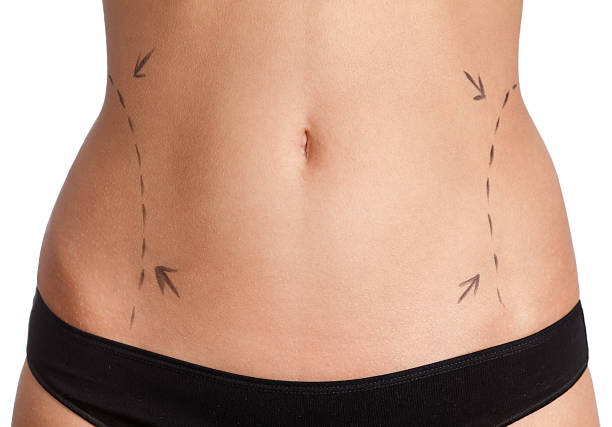
Abdominal symmetry can strongly influence how balanced and proportionate the midsection appears. Differences in fat distribution, loose skin, abdominal muscle structure, previous pregnancy, or significant weight changes can make one side of the abdomen look different from the other. For people seeking more balanced contours, Lipo abdominoplasty in Abu Dhabi combines liposuction with abdominoplasty to address selected fat deposits and excess abdominal skin. When carefully planned for individual anatomy, this approach may help refine uneven contours and create a smoother relationship between the abdomen, waist, and surrounding body.
Understanding Abdominal Symmetry
Perfectly symmetrical bodies are uncommon. Most people naturally have subtle differences between the left and right sides of the abdomen, waist, hips, and other areas. These variations can involve the distribution of fat, the shape of the abdominal wall, muscle development, skin folds, or skeletal structure.
However, more noticeable asymmetry can become a cosmetic concern. Uneven fullness or differences in skin laxity may make the abdomen appear irregular, particularly when viewed from the front. Body contouring can sometimes improve these differences, but the objective is usually better balance rather than absolute symmetry.
How Lipo Abdominoplasty Can Influence Symmetry
Lipo abdominoplasty combines two techniques that address different components of abdominal shape. Liposuction can reduce localized fat deposits, while abdominoplasty focuses on excess skin and abdominal contour.
If asymmetry is partly caused by uneven fat distribution, selective liposuction may help create more balanced contours. When excess skin contributes to an uneven appearance, abdominoplasty can remove redundant tissue and reposition the remaining skin. Addressing these factors together may provide a more harmonious abdominal profile when appropriate.
The Role of Liposuction in Correcting Uneven Fat Distribution
Fat does not always accumulate evenly on both sides of the body. One side of the abdomen or waist may naturally have slightly more localized fullness than the other. Previous changes in body weight can also affect how fat is distributed.
Liposuction allows targeted contour refinement rather than treating the entire abdomen uniformly. By considering the differences between both sides, the treatment plan can be tailored to improve visual balance. The amount of fat removed from each area does not necessarily need to be identical because natural anatomy is rarely perfectly symmetrical.
How Abdominoplasty Can Improve Skin-Related Asymmetry
Loose skin can contribute to uneven abdominal contours. Stretched tissue may hang differently on either side or create folds that make the abdomen look less balanced.
Abdominoplasty can address excess skin by removing redundant tissue and repositioning the remaining abdominal skin. Careful planning can take existing differences into account so that the resulting contour appears as balanced as possible. However, the final appearance depends on the individual’s skin quality, tissue characteristics, and natural anatomy.
Abdominal Muscle Structure and Symmetry
The abdominal wall can also influence symmetry. Muscle separation, differences in muscle development, or changes following pregnancy can affect the way the abdomen projects from each side.
When appropriate, abdominoplasty may include addressing abdominal muscle separation as part of the overall contouring plan. This can help improve the structural appearance of the abdominal area when muscle-related changes are contributing to the concern. An assessment is necessary to determine whether the asymmetry is primarily related to skin, fat, muscle, or another anatomical factor.
Can Pregnancy Affect Abdominal Symmetry?
Pregnancy can produce changes that influence abdominal shape and symmetry. The skin stretches as the abdomen expands, while the abdominal wall may also undergo structural changes. After pregnancy, these effects may not always resolve evenly.
For individuals who have completed pregnancy and reached a stable weight, lipo abdominoplasty may be considered when excess skin and localized fat remain. The procedure can potentially improve overall abdominal balance while addressing other contour concerns associated with pregnancy.
What About Asymmetry After Weight Loss?
Major weight loss can produce significant changes in abdominal tissue. Excess skin may develop unevenly, and localized fat can remain in different amounts across the abdomen and waist.
When body weight has stabilized, lipo abdominoplasty may provide a way to address both concerns. Abdominoplasty can focus on excess skin, while liposuction can refine remaining fat deposits. The treatment plan can account for differences between the two sides to support a more balanced appearance.
The Importance of Individual Anatomy
Abdominal symmetry is influenced by more than skin and fat. The pelvis, rib cage, spine, abdominal muscles, and internal body structure all affect the appearance of the waist and abdomen.
Because these underlying characteristics cannot be completely changed through body contouring, some natural asymmetry may remain. A realistic goal is therefore to improve visible balance while respecting the body’s natural structure.
Why Careful Planning Matters
Improving asymmetry requires a personalized approach. Treating both sides exactly the same may not necessarily create the most symmetrical visual result because each side can have different amounts of fat, skin, or tissue laxity.
During an assessment, the abdomen can be evaluated from different angles and in different positions. This helps identify which factors are contributing to the uneven appearance. The resulting treatment plan can then be tailored to the individual’s proportions rather than relying on a standardized approach.
Setting Realistic Expectations
Lipo abdominoplasty can improve certain forms of abdominal asymmetry, but it cannot guarantee perfect symmetry. Even after careful contouring, subtle differences may remain because natural bodies are not completely identical from one side to the other.
The most realistic objective is a smoother, more balanced abdominal appearance. Improving proportions can make asymmetry less noticeable while preserving a natural-looking relationship between the abdomen, waist, and hips.
Maintaining Balanced Contours
Body contouring can create a lasting change in treated tissues, but future changes in body weight, aging, pregnancy, and lifestyle can influence abdominal appearance. Maintaining a relatively stable weight can help support the overall contour.
Regular physical activity can also contribute to general body composition and muscle development. However, exercise cannot directly remove substantial excess skin, so persistent skin-related asymmetry may require a different approach.
Is Lipo Abdominoplasty Right for Your Symmetry Goals?
Lipo abdominoplasty may be worth considering when uneven abdominal contours are related to a combination of localized fat and excess skin. It can be particularly relevant when these concerns developed after pregnancy, major weight loss, or significant changes in body composition.
A professional assessment is essential to determine the underlying cause of asymmetry. Understanding whether the difference comes from fat, skin, muscle structure, or natural skeletal characteristics helps establish realistic expectations and an appropriate treatment plan.
FAQs
Can lipo abdominoplasty correct uneven abdominal contours?
It can improve certain types of visible asymmetry when uneven fat distribution or excess skin contributes to the difference. The extent of improvement depends on individual anatomy and the underlying cause.
Does liposuction have to remove the same amount of fat from both sides?
Not necessarily. Since natural anatomy can differ from one side to the other, the amount of fat requiring contour refinement may also vary. Treatment is generally tailored to the desired overall balance rather than using identical amounts on each side.
Can abdominoplasty improve asymmetry caused by loose skin?
Yes. When excess or unevenly distributed abdominal skin contributes to asymmetry, abdominoplasty can remove redundant tissue and reposition the remaining skin to create a more balanced contour.
Can pregnancy cause abdominal asymmetry?
Pregnancy can contribute to differences in abdominal skin, fat distribution, and abdominal wall structure. Lipo abdominoplasty may be considered for suitable individuals who have completed pregnancy and reached a relatively stable weight.
Will lipo abdominoplasty create perfectly symmetrical abs?
Perfect symmetry cannot be guaranteed because natural skeletal, muscular, and tissue differences may remain. The realistic goal is to improve visible balance and create a smoother, more proportionate abdominal appearance.

