Introduction
The way your body moves is influenced by many interconnected factors, from the position and function of your feet to the movement of your ankles, knees, hips, pelvis, and spine. Everyday activities such as walking, commuting, standing, exercising, and running place different demands on this system. Biomechanics Hampstead can therefore be an important consideration for individuals who want to understand their movement more clearly. At PODO London, biomechanical assessment considers the wider body rather than examining the feet in isolation, helping clinicians understand structural and postural factors alongside gait, footwear, activity, lifestyle, and individual goals.
What Biomechanics Means in Everyday Life
Biomechanics is essentially the study of how the body moves and responds to forces. While the subject can involve complex measurements and scientific principles, its practical relevance is easy to understand. Every time you take a step, your body has to absorb forces, maintain balance, transfer weight, and generate movement. A Biomechanics Hampstead assessment can explore these processes in relation to your individual routine. At PODO London, clinicians look at relevant movement characteristics alongside your concerns, activity levels, footwear, occupation, and personal objectives, creating a more complete picture of how your body functions.
Why the Feet Matter to Whole Body Movement
The feet provide the foundation for standing and movement. They interact directly with the ground and influence how forces are transferred through the lower limbs. However, the feet should not be considered separately from the rest of the body. Changes in movement can involve the ankles, knees, hips, pelvis, and upper body. When considering Biomechanics Hampstead, this wider relationship is important. At PODO London, the assessment can examine foot, ankle, knee, hip, biomechanics, gait, posture, and footwear to understand both structural and postural factors.
Looking Beyond a Single Symptom
A person may notice discomfort in one area while other parts of the body are also involved in movement. This does not mean that one area is necessarily responsible for every symptom. Instead, a professional assessment can explore how different parts of the body work together. Biomechanics Hampstead can be relevant to individuals who want to investigate movement rather than focusing exclusively on one painful location. At PODO London, clinicians begin by listening to concerns and establishing an appropriate assessment before discussing a conservative approach and treatment goals.
Understanding Your Natural Movement Pattern
No two people move in exactly the same way. Differences in foot shape, joint mobility, flexibility, posture, stride, muscle control, and activity levels are normal. A biomechanical assessment should therefore avoid treating every difference as a problem. For people searching for Biomechanics Hampstead, the value of professional assessment lies in understanding which characteristics may be relevant to their individual concerns or activities. At PODO London, movement is considered within the person’s complete circumstances rather than against an assumption that everyone should have an identical posture or gait.
The Relationship Between Structure and Movement
Structural characteristics can influence movement, but structure does not automatically determine function. Two people with similar foot shapes may move differently, while individuals with visibly different structures may have similar functional abilities. This is why Biomechanics Hampstead is most useful when structural observations are combined with movement assessment. At PODO London, clinicians consider both postural and structural factors during their wider assessment process. This can provide greater context than simply examining the feet while standing still.
Assessing Standing Posture
Standing provides an opportunity to examine how the body distributes weight when it is relatively stationary. Clinicians may consider foot position, alignment, balance, and other relevant postural characteristics. However, standing posture represents only one part of biomechanics. Biomechanics Hampstead can involve both static and dynamic considerations when appropriate. At PODO London, the assessment includes consideration of standing posture alongside gait and broader biomechanical factors. The clinic describes its approach as looking at the entire body to assess both postural and structural factors.
Dynamic Movement Provides Additional Information
The body behaves differently while walking, running, climbing stairs, changing direction, or exercising than it does while standing. Dynamic assessment can therefore reveal movement characteristics that may not be apparent during a static examination. For Biomechanics Hampstead, considering movement in context can be particularly valuable. At PODO London, gait and biomechanical analysis form part of the clinic’s consultation and analysis services. This allows the clinician to consider how the body functions during movement rather than relying solely on a stationary posture.
How Gait Fits Into Biomechanics
Gait describes the way a person walks or runs and forms an important part of biomechanical assessment. Walking requires coordinated movement between the feet, ankles, knees, hips, and upper body. Running creates different demands because speed, loading, and movement patterns change. When considering Biomechanics Hampstead, gait can therefore provide valuable information about dynamic function. At PODO London, gait assessment is considered alongside biomechanics, posture, footwear, and other relevant factors, supporting a broader understanding of individual movement.
Biomechanics for London Commuters
A London commute can involve substantial amounts of walking and standing. Someone working around Hampstead may walk to transport connections, travel across the city, climb stairs, stand on trains, and continue walking after arriving at work. These repeated demands can make movement and footwear relevant to everyday comfort. Biomechanics Hampstead can be particularly useful for people whose daily routine involves significant walking. At PODO London, clinicians can discuss commuting, footwear, occupation, activity, and lifestyle so that assessment findings remain connected to real-world requirements.
Understanding the Demands of Long Walks
Walking for extended periods is different from taking a few steps around the house or office. As walking time increases, the feet and lower limbs repeatedly absorb and transfer forces. Footwear, walking surface, speed, and individual movement characteristics can all influence the experience. People considering Biomechanics Hampstead may benefit from discussing their typical walking distances. At PODO London, walking routines can be considered alongside gait, foot function, footwear, and personal goals to understand how the body responds to the demands of everyday mobility.
Biomechanics for People Who Stand at Work
Many occupations require prolonged standing. Retail professionals, hospitality staff, healthcare workers, teachers, event professionals, and others may spend substantial periods on their feet. A Biomechanics Hampstead assessment can consider how occupational requirements fit into an individual’s overall movement profile. At PODO London, clinicians can discuss workplace footwear, standing duration, walking demands, commuting, exercise, and lifestyle. This context can help distinguish between a movement characteristic that is simply present and one that may have meaningful relevance to the individual’s working routine.
Understanding Exercise Related Movement
Exercise changes the demands placed on the body. Gym training, running, hiking, football, tennis, dancing, and other activities each involve different movements, speeds, surfaces, and footwear. For someone interested in Biomechanics Hampstead, understanding these specific demands can be more useful than assessing everyday walking alone. At PODO London, clinicians can consider the activities that matter most to an individual and examine relevant movement characteristics within that context. This helps keep biomechanical assessment connected to actual performance and lifestyle requirements.
Biomechanics for Runners
Running requires repeated loading and coordinated movement across the lower limbs. Training volume, pace, distance, terrain, footwear, fitness, recovery, and running experience can all influence an individual’s requirements. A Biomechanics Hampstead assessment may be relevant to runners who want to understand their movement more thoroughly. At PODO London, sports-related orthotics and biomechanical care are considered according to body type, sport, and level of activity. The aim is to understand the individual runner rather than prescribe an identical approach to everyone.
The Importance of Footwear in Biomechanics
Shoes create the environment in which the feet move. Different footwear can have different levels of flexibility, structure, cushioning, heel height, internal space, and stability. Consequently, a person’s movement can be influenced by what they wear during different activities. For Biomechanics Hampstead, footwear should be considered alongside the person’s actual lifestyle. At PODO London, footwear analysis forms part of the clinic’s assessment services. This can help clinicians understand whether footwear choices are relevant to an individual’s movement or comfort.
Everyday Shoes Versus Sports Footwear
A shoe designed for running may have very different characteristics from one intended for work, casual walking, or court sports. Using one pair of footwear for every activity may not always provide the same mechanical environment across different situations. At PODO London, footwear forms part of the broader assessment when relevant to the person’s requirements. For people searching for Biomechanics Hampstead, discussing the shoes used for commuting, work, exercise, and leisure can help create a more accurate picture of everyday movement.
Understanding Orthotics Through Biomechanics
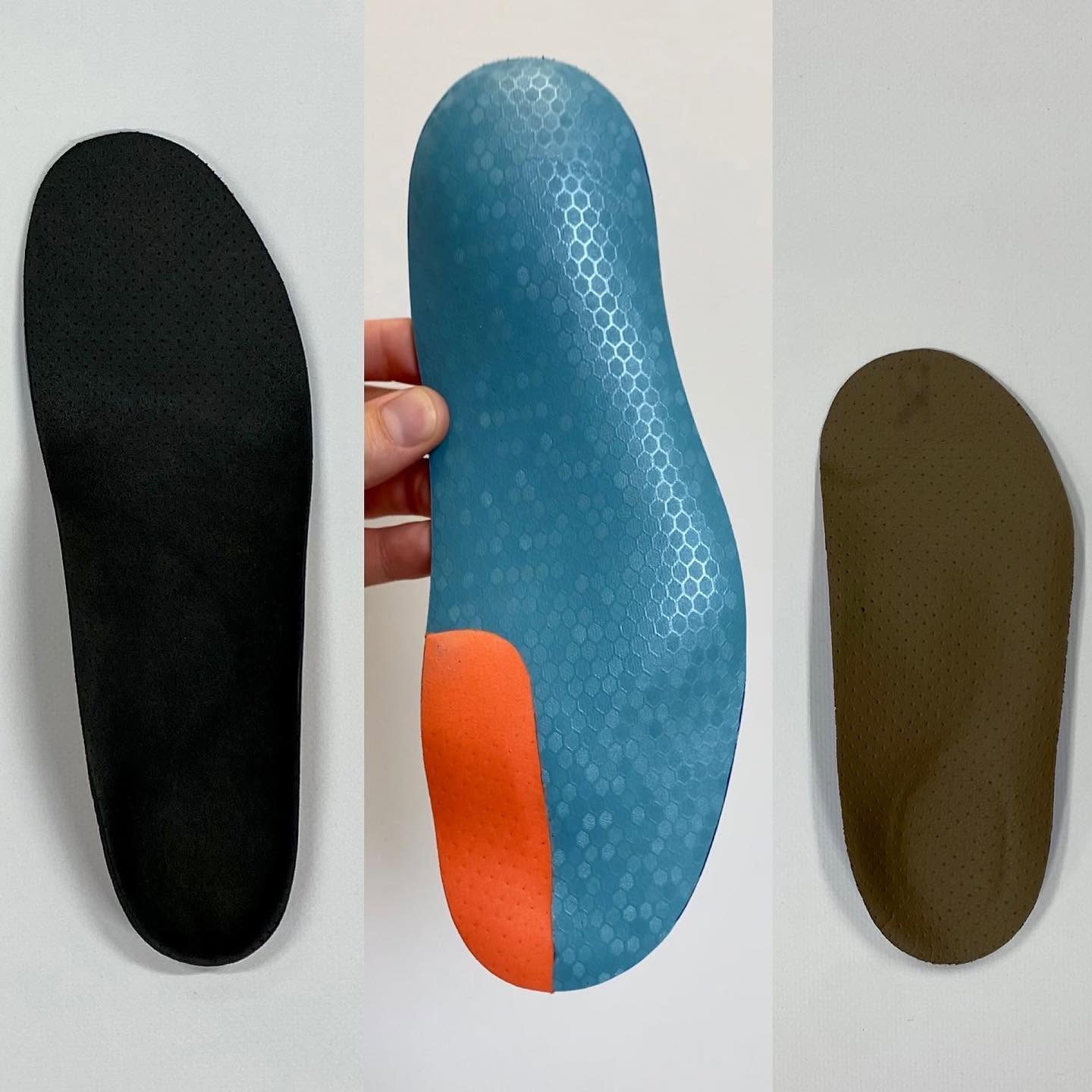
Orthotics can be one part of a wider biomechanical approach. They are not simply generic inserts designed to change the appearance of the foot. Their design and purpose can be connected to the individual’s assessment findings, footwear, activity, and treatment goals. At PODO London, orthotics are made using different thermo-mouldable materials selected according to factors such as lifestyle, age, activity, underlying conditions, foot characteristics, previous orthotic experiences, and treatment goals. This makes Biomechanics Hampstead particularly relevant to individuals considering whether personalised orthotic support may have a role.
Why Custom Orthotics Should Follow Assessment
Custom orthotics are not appropriate for everyone. An unusual foot position, different gait, or occasional discomfort does not automatically mean that an orthotic is required. Instead, the decision should follow an assessment of the individual’s requirements. For Biomechanics Hampstead, this assessment-led approach is important because orthotic support should have a clear purpose. At PODO London, clinicians assess foot, ankle, knee, hip, gait, posture, biomechanics, and footwear before establishing treatment goals.
Individually Moulded Orthotics at PODO London
The orthotic process at PODO London differs from approaches that rely on sending a generic foot cast elsewhere for manufacture. The clinic states that orthotics are moulded directly onto the patient’s feet and crafted during a 90-minute appointment. For individuals interested in Biomechanics Hampstead, this integrated clinic and workshop model means assessment and orthotic production can be closely connected. Materials can be mixed and matched according to individual requirements, with both feet treated independently rather than assuming they are identical.
Why Both Feet May Require Individual Consideration
Left and right feet are not necessarily identical. Differences in shape, pressure distribution, flexibility, and movement can exist naturally. At PODO London, each foot is moulded independently and the clinic describes its process as treating both feet as different patients with individual footprints, moulds, orthotics, and plans of action. This approach can be relevant to Biomechanics Hampstead because personalised support should reflect the individual’s actual foot characteristics rather than assuming that symmetry is always present.
The Role of Pressure Mapping
Understanding where pressure occurs beneath the foot can provide useful information in appropriate assessments. At PODO London, the clinic describes using its podograph to obtain an individual footprint and identify the unique limits and pressures of each foot. For people considering Biomechanics Hampstead, pressure information can contribute to a broader understanding of foot function. However, pressure should not be interpreted in isolation. It becomes more useful when considered alongside gait, posture, biomechanics, footwear, activity, and individual concerns.
Materials Can Be Selected for Individual Requirements
Not every orthotic needs to feel or function in exactly the same way. Material characteristics can influence flexibility, cushioning, durability, and the space required inside footwear. PODO London states that its orthotics use a range of thermo-mouldable materials and that between three and seven materials may be mixed and matched for a pair. Selection is based on factors including lifestyle, activity, conditions, foot characteristics, previous experiences, and treatment goals. This personalised process complements a Biomechanics Hampstead approach focused on individual requirements.
Orthotics for Different Activities
An orthotic designed for a recreational runner may have different requirements from one used by a golfer, cyclist, weightlifter, or someone who primarily wears formal shoes. At PODO London, both short and long orthotic options are available, with the clinic describing different applications for each. For people exploring Biomechanics Hampstead, discussing the activities and footwear that matter most can help determine what type of support may be appropriate.
Considering Your Entire Routine
Biomechanical assessment should not stop at what happens inside the clinic. Your occupation, commute, exercise, footwear, weekend activities, and walking habits all influence how much demand is placed on your body. Biomechanics Hampstead can therefore be most meaningful when these factors are included in the discussion. At PODO London, the stated approach combines consultation and analysis with consideration of lifestyle and treatment goals. This creates a more realistic foundation for recommendations.
Biomechanics and Posture
Posture is closely connected with how the body distributes weight and controls movement. However, posture should not necessarily be judged against a single ideal position. People naturally adopt different positions according to anatomy, activity, environment, fatigue, and habit. For Biomechanics Hampstead, professional assessment can help identify which postural characteristics are relevant rather than assuming that every deviation needs correction. At PODO London, posture is assessed alongside structural factors, gait, biomechanics, and footwear.
Understanding the Whole Lower Limb
The lower limb functions as a connected system. Foot movement interacts with the ankle, knee, and hip, while the pelvis and trunk contribute to overall movement. This is why looking only at the foot can sometimes provide an incomplete picture. At PODO London, the clinic specifically describes its analysis as covering foot, ankle, knee, hip, biomechanics, gait, posture, and footwear. For Biomechanics Hampstead, this whole-body perspective can provide valuable context.
When Biomechanical Assessment May Be Useful
People seek biomechanical assessment for many different reasons. Some want to understand recurring discomfort, while others are interested in sports performance, footwear, movement efficiency, or personalised orthotics. A Biomechanics Hampstead assessment can be relevant whenever there is a clear question about how the body moves and how that movement relates to individual requirements. At PODO London, the consultation process begins by listening to concerns, establishing an assessment, discussing conservative options, and setting goals and a treatment plan.
Assessment Does Not Automatically Mean Treatment
One of the most important aspects of professional assessment is recognising when intervention is unnecessary. A movement characteristic may simply represent normal individual variation. In other cases, education, footwear changes, exercise, activity management, or monitoring may be more appropriate than an orthotic. For Biomechanics Hampstead, this distinction matters because assessment should inform decisions rather than automatically lead to treatment. At PODO London, the stated approach focuses on diagnosis, conservative care, and personalised treatment planning.
Understanding Movement Rather Than Chasing Perfection
Biomechanics is sometimes presented as a search for the perfect posture or gait. In reality, human movement is adaptable and variable. The objective of professional assessment should be to understand whether a particular characteristic is relevant to an individual’s symptoms, function, activity, or goals. For Biomechanics Hampstead, this means focusing on meaningful information rather than trying to make every person move identically. At PODO London, clinicians consider the whole body and individual circumstances before determining what recommendations may be useful.
Biomechanics for Active Lifestyles
An active person may place considerably different demands on their body from someone whose daily routine involves little structured exercise. Running, cycling, hiking, football, gym training, and other activities require different movement patterns and footwear. PODO London states that its sports orthotics are fitted according to body type, sports, and activity level. This individualised principle is particularly relevant for people searching for Biomechanics Hampstead because sports requirements should be considered when interpreting movement.
Understanding Your Footwear Choices
Footwear should be selected according to what you expect it to do. Running shoes, casual trainers, work shoes, court shoes, and specialist sports footwear have different designs and intended uses. PODO London has also published guidance emphasising that modern running footwear may not be equally suitable for every everyday situation. For Biomechanics Hampstead, discussing how and where shoes are used can therefore be valuable. A professional assessment can help place footwear choices within the wider picture of movement and activity.
Biomechanics and Everyday Comfort
Comfort is not determined by one factor. Footwear, movement, activity levels, surfaces, body weight, fatigue, and individual anatomy can all influence how someone feels during a normal day. A Biomechanics Hampstead assessment can provide an opportunity to examine relevant factors rather than guessing which one is responsible. At PODO London, the goal is to understand concerns and establish an appropriate treatment plan based on assessment.
A Practical Approach to Personalised Care
Personalised care means recommendations should fit into real life. A commuter who walks several kilometres every day may have different priorities from a runner who trains three times per week. Someone who wears formal shoes to work may have different orthotic requirements from someone who spends most of the day in trainers. Biomechanics Hampstead can therefore be approached through the lens of lifestyle. At PODO London, orthotic materials and designs are selected according to factors including age, activity, lifestyle, and treatment goals.
Why Choose PODO London?
PODO London combines clinical assessment with an in-house orthotic workshop. The clinic describes its services as covering consultation and analysis of foot, ankle, knee, hip, biomechanics, gait, posture, and footwear, followed where appropriate by custom-moulded orthotics. For individuals searching for Biomechanics Hampstead, this integrated approach can provide a convenient way to explore movement and personalised support within the same professional setting.
A Central London Clinic for Hampstead Patients
Although the keyword Biomechanics Hampstead reflects the area people may search from, PODO London is located centrally and is accessible from several London neighbourhoods. The clinic states that it is near Oxford Circus, Tottenham Court Road, and Goodge Street stations. Its central location can be practical for people travelling from different parts of London for professional biomechanical and orthotic assessment.
Bringing Assessment and Orthotic Craft Together
One distinctive feature of PODO London is its clinic and workshop model. The clinic states that custom orthotics can be moulded directly onto the patient’s feet and crafted during the same 90-minute appointment. For someone researching Biomechanics Hampstead, having assessment and orthotic production connected can make the process more direct. The orthotics can be created according to the assessment findings, materials selected for individual requirements, and intended use.
Building a Better Understanding of Your Body
Biomechanical assessment can be valuable because it encourages people to look at movement as a complete process. Rather than considering an isolated foot, the assessment can examine how the feet, ankles, knees, hips, posture, gait, and footwear interact. At PODO London, this broader approach is central to its consultation and analysis service. For people interested in Biomechanics Hampstead, the result can be greater awareness of the factors that may influence their movement and everyday comfort.
Conclusion
Biomechanics provides a valuable framework for understanding how the body moves, responds to forces, and adapts to everyday activities. For individuals searching for Biomechanics Hampstead, a professional assessment can provide a more detailed perspective on foot function, gait, posture, footwear, and lower limb movement. At PODO London, clinicians take a whole-body approach, combining biomechanical analysis with personalised care and, where appropriate, custom-moulded orthotics. The emphasis remains on understanding individual requirements and creating practical recommendations that fit naturally into work, commuting, exercise, and everyday life.
FAQs
What does biomechanics assessment involve?
Biomechanical assessment can examine how the feet, ankles, knees, hips, posture, and gait work together. At PODO London, assessment also considers footwear and relevant structural and postural factors. A Biomechanics Hampstead assessment can therefore provide a broader understanding of individual movement.
Who can benefit from biomechanical assessment?
Biomechanical assessment may be relevant to people experiencing movement concerns, active individuals, runners, commuters, professionals who stand for long periods, or people considering personalised orthotics. The appropriate assessment depends on individual circumstances and goals.
Does biomechanical assessment always lead to orthotics?
No. An assessment does not automatically mean that orthotics are necessary. At PODO London, clinicians first consider concerns, movement, biomechanics, footwear, lifestyle, and treatment goals before deciding whether personalised orthotic support has a suitable purpose.
Can biomechanics be assessed for runners?
Yes. Running creates specific movement and loading demands, so runners may have particular biomechanical questions. PODO London provides sports orthotics designed around body type, sport, and activity level, making individual assessment particularly relevant for active people.
Can footwear affect biomechanics?
Footwear can influence how the feet interact with the ground and can provide different levels of structure, flexibility, cushioning, and stability. For Biomechanics Hampstead, discussing everyday and sports footwear can therefore be an important part of understanding movement.
How are PODO orthotics personalised?
PODO London states that orthotics are moulded directly onto the feet and made from a selection of thermo-mouldable materials. Material selection considers lifestyle, activity, age, foot characteristics, underlying conditions, previous orthotic experiences, and treatment goals.
Are both feet assessed separately?
At PODO London, each foot is treated independently during the orthotic-making process because the clinic recognises that the two feet can have different footprints and requirements. This individual approach can be relevant when considering Biomechanics Hampstead and personalised orthotic support.