
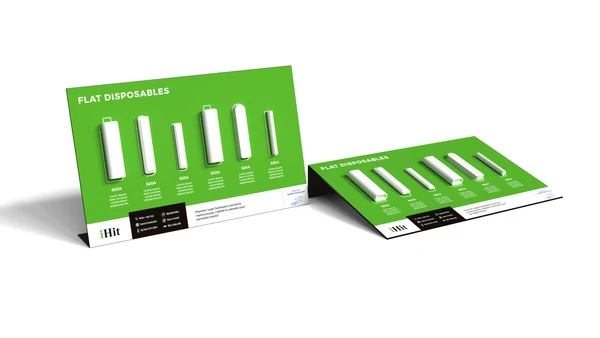
Why Retail Displays Matter More Than Most Store Owners Think
Walk into a good retail store and you probably notice the products first. But look a little closer. The shelves, counters, product positioning, lighting, graphics and even the empty space around products are doing a lot of work. That is merchandising.
A store can have great products and still feel confusing if the display setup is poorly planned. Customers don’t always know where to look or what deserves attention. This is where modular retail display systems can make a real difference. Instead of building a store around fixed fixtures that are difficult to change, modular systems give retailers more freedom. You can move things around, update sections, introduce new products and refresh the space without starting from scratch.
That’s a pretty practical advantage, especially for businesses where products and promotions change often.
What Makes Modular Retail Display Systems Different?
Traditional retail fixtures are usually built for one specific purpose. Once installed, moving them can be expensive, annoying, or sometimes not worth the trouble. Modular retail display systems take a different approach.
The fixture becomes more adaptable. Components can often be rearranged, expanded, replaced or repositioned as the store changes. A retailer might start with one configuration and later add shelves, signage, product holders or another display section.
That flexibility matters more than it sounds. Retail isn’t static. New products arrive. Old products stop selling. Brands change packaging. Promotions come and go. A display system that can’t keep up eventually becomes a problem.
A modular setup helps avoid that problem.
Better Merchandising Without Rebuilding The Store
One of the biggest advantages of modular displays is simple: you can change the merchandising without rebuilding the whole retail environment.
Let’s say a retailer wants to give a new product line more visibility. With a fixed setup, they may have to remove existing shelving or find another awkward location. With a flexible display system, the layout can be adjusted around the new product.
This is particularly useful for stores with seasonal promotions or frequently changing inventory. The same fixture can support different campaigns throughout the year.
It also gives staff more control. If a particular product isn’t getting attention, move it. Try another position. Change the surrounding signage. Retail merchandising should involve some testing. A rigid fixture makes that harder than it needs to be.
The Role Of A Dispensary Display Case In Product Presentation
Cannabis retailers have another challenge. Products need to be presented attractively while also being organized, secure and easy for customers to understand.
A well-designed dispensary display case can help with all three.
Instead of placing products randomly behind a counter, retailers can create clear product zones. Different categories can have their own areas, making the shopping experience less confusing. Customers can see packaging, compare options and talk with staff about what they’re looking for.
The display case shouldn’t simply be a box that holds inventory. That’s where some stores miss the point. A dispensary display case is part of the selling environment.
If it looks cheap, cluttered or poorly arranged, the products can feel that way too. Not ideal when you’re trying to build trust.
Creating A Stronger Brand Experience
Good merchandising isn’t only about putting products where people can see them. It’s also about making the store feel like the brand.
Think about the difference between a generic shelf and a display designed around a company’s colors, graphics, product story and overall identity. The second one feels intentional.
This is especially important for cannabis brands and dispensaries because the market has become much more competitive. Customers have plenty of choices. A strong physical environment can help a business stand apart.
Modular retail display systems can support this because the structure can remain consistent while graphics, messaging and product presentation change. That’s useful for retailers that want their store to feel current without constantly replacing expensive fixtures.
Small changes can have a surprisingly big effect.
Flexibility Is Also A Cost Consideration
People sometimes look at modular fixtures and assume they’re just another design expense. That’s not always the right way to look at them.
The real question is what happens over several years.
A fixed fixture might be cheaper at the beginning, but if it needs to be replaced every time the store changes, those savings disappear quickly. Modular fixtures can often be adapted instead of discarded.
That can reduce waste and help retailers get more useful life from their investment. A business doesn’t necessarily need a completely new display every time it changes its product mix.
It needs a display that can change with it.
That’s a much smarter way to think about retail fixtures.
Making Small Retail Spaces Work Harder
Not every retailer has a huge showroom. In fact, many don’t. Smaller stores need to make every square foot count.
This is another area where modular retail display systems can be useful. Retailers can adjust shelf heights, product spacing and display positions to make better use of the available space.
A crowded store doesn’t automatically sell more. Sometimes it does the opposite. Customers need room to move and enough visual breathing space to understand what they’re looking at.
A modular system allows retailers to experiment with that balance.
For dispensaries, this can be especially valuable. Products can be presented clearly without making the sales floor feel packed. A carefully positioned dispensary display case can provide product visibility while keeping the overall environment clean and organized.
Good Displays Should Support The Sales Team
Customers aren’t the only people using a retail display. Staff interact with it all day.
If products are difficult to access, poorly categorized or constantly getting knocked around, employees notice. And eventually they get frustrated.
A well-planned display should make the staff’s job easier too. Products should be easy to locate, restock and explain. Signage should provide useful information rather than creating more confusion.
This is one reason modular systems are practical. If employees notice that a certain section isn’t working, the layout can potentially be changed without major construction.
Retailers should listen to the people actually working around the fixtures. They often know what works better than anyone sitting in an office.
Choosing Displays That Can Grow With The Business
Retailers shouldn’t only think about how a display looks on opening day. Think six months ahead. Then a year.
Will the product range expand? Will the store introduce new brands? Could the layout change? Will seasonal campaigns need dedicated space?
These questions are important when selecting modular retail display systems.
The best system isn’t necessarily the flashiest one. It should fit the store, support the products and give the retailer room to adapt. Materials matter too. Retail fixtures take plenty of abuse. Customers touch them. Staff restock them. Things get moved around.
Durability matters. So does maintenance.
A display that looks great but becomes difficult to manage isn’t really doing its job.
Conclusion: Build A Retail Display That Can Keep Changing
Retail keeps moving. That’s the reality.
Products change, customers change, brands change and stores change. A retail display shouldn’t be the one thing holding everything in place.
Modular retail display systems give businesses a more flexible way to handle those changes. They can improve product presentation, make better use of store space and support new merchandising ideas without forcing retailers into a complete fixture replacement every time something changes.
For dispensaries, the right dispensary display case adds another layer of value by giving products a clear, organized and professional presentation.
At the end of the day, good retail fixtures aren’t just furniture. They’re part of how customers experience the business. Build them with some flexibility, and they can keep working long after the first product is placed on the shelf.
FAQs About Modular Retail Display Systems
What are modular retail display systems?
Modular retail display systems are flexible fixtures made from components that can be rearranged, expanded or adjusted as a store’s merchandising needs change.
Why are modular retail display systems useful for retailers?
They give retailers more flexibility to change product layouts, promotions and merchandising without replacing the entire display fixture.
What should a dispensary display case include?
A good dispensary display case should provide clear product visibility, organized presentation, durability and easy access for retail staff while supporting the store’s overall design.
Can modular displays work in cannabis dispensaries?
Yes. Modular displays can be useful in cannabis retail environments because dispensaries often need flexible product presentation as inventory, brands and promotional priorities change.
Are modular retail displays expensive?
The cost depends on the materials, size, design and configuration. However, their ability to adapt over time can make them a practical long-term investment compared with repeatedly replacing fixed fixtures.
