Every child deserves the right care to grow healthy, strong, and happy. From the first days of life through the teenage years, children experience many physical, emotional, and developmental changes. During this journey, they may need regular health checkups, vaccinations, treatment for illnesses, or guidance for healthy growth.
Parents often look for the best general paediatrics treatment in dubai because they want trusted medical care that supports their child’s health at every stage. General paediatrics focuses on preventing illnesses, diagnosing health conditions early, treating common childhood diseases, and helping children achieve healthy development.
This guide explains what general paediatrics is, the conditions it covers, when to visit a paediatrician, the treatment process, and how families can support their child’s health.
What Is General Paediatrics?
General paediatrics is the branch of medicine that focuses on the health and well-being of infants, children, and adolescents. It includes preventive healthcare, diagnosis, treatment, and long-term monitoring of childhood illnesses and developmental concerns.
Unlike specialists who treat one specific condition, a general paediatrician provides comprehensive healthcare for children. They monitor overall growth, identify health problems early, and recommend the most suitable treatment or specialist care when needed.
General paediatrics also helps parents understand nutrition, vaccinations, developmental milestones, sleep habits, emotional health, and everyday concerns about raising healthy children.
Why General Paediatric Care Is Important
Children are not simply small adults. Their bodies, immune systems, and organs continue to develop as they grow. Because of this, they require healthcare that is specially designed for their age and development.
Regular paediatric care helps:
- Monitor healthy growth
- Detect developmental delays early
- Prevent diseases through vaccination
- Diagnose illnesses quickly
- Support physical and emotional well-being
- Educate parents about healthy childcare
- Reduce the risk of future health complications
Routine visits allow doctors to identify problems before they become serious.
What Does a General Paediatrician Treat?
General paediatricians manage a wide variety of childhood health conditions.
Some common conditions include:
Common Infections
Children often experience infections because their immune systems are still developing.
These include:
- Cold
- Flu
- Fever
- Ear infections
- Sore throat
- Sinus infections
- Chest infections
- Viral illnesses
Most infections improve with proper medical care and monitoring.
Allergies
Children may develop allergies to foods, pollen, dust, pets, or certain medications.
Symptoms may include:
- Sneezing
- Itchy eyes
- Skin rashes
- Hives
- Wheezing
- Swelling
Early diagnosis helps manage allergies safely.
Asthma
Asthma is one of the most common childhood conditions.
Symptoms include:
- Difficulty breathing
- Persistent coughing
- Chest tightness
- Wheezing
With proper treatment, many children live active and healthy lives.
Digestive Problems
General paediatricians evaluate digestive issues such as:
- Constipation
- Diarrhea
- Vomiting
- Stomach pain
- Acid reflux
- Poor appetite
Treatment depends on the child’s age and underlying cause.
Skin Conditions
Children commonly experience:
- Eczema
- Rashes
- Skin infections
- Fungal infections
- Dry skin
- Insect bites
Most skin problems improve with proper treatment and skincare advice.
Growth Concerns
Doctors carefully monitor:
- Height
- Weight
- Body mass index (BMI)
- Nutrition
- Puberty development
If growth appears slower or faster than expected, further evaluation may be recommended.
Developmental Concerns
General paediatricians also monitor developmental milestones such as:
- Walking
- Talking
- Learning
- Social interaction
- Motor skills
Early intervention often leads to better long-term outcomes.
Preventive Healthcare for Children
Preventive care is one of the biggest parts of general paediatrics.
Instead of waiting until a child becomes sick, preventive healthcare aims to maintain good health throughout childhood.
Preventive services include:
- Regular health checkups
- Growth monitoring
- Vaccinations
- Vision screening
- Hearing screening
- Nutrition guidance
- Sleep advice
- Dental care recommendations
- Physical activity counseling
These visits help identify health concerns before symptoms become severe.
Childhood Vaccinations
Vaccinations protect children from many serious diseases.
Routine immunizations help prevent illnesses such as:
- Measles
- Mumps
- Rubella
- Polio
- Hepatitis
- Chickenpox
- Whooping cough
- Pneumococcal disease
Following the recommended vaccination schedule is one of the most effective ways to protect children’s health.
Growth and Development Monitoring
Every child grows differently, but there are healthy ranges for physical and developmental progress.
During routine visits, doctors assess:
- Weight gain
- Height
- Head circumference in infants
- Speech development
- Motor development
- Emotional development
- Social skills
- Learning abilities
Monitoring helps identify concerns at an early stage.
Nutrition Guidance for Children
Healthy nutrition plays an important role in a child’s development.
Parents receive advice about:
- Balanced meals
- Breastfeeding support
- Introducing solid foods
- Healthy snacks
- Hydration
- Vitamin intake
- Iron-rich foods
- Calcium intake
Good nutrition supports brain development, strong bones, and a healthy immune system.
When Should Parents Visit a General Paediatrician?
Parents should schedule a visit whenever they have concerns about their child’s health.
Some common reasons include:
- Fever lasting several days
- Difficulty breathing
- Persistent cough
- Repeated vomiting
- Severe diarrhea
- Poor feeding
- Weight loss
- Skin rashes
- Ear pain
- Allergic reactions
- Sleep problems
- Behavioral concerns
- Delayed speech
- Slow growth
Routine wellness visits are equally important, even when children appear healthy.
What Happens During a General Paediatric Consultation?
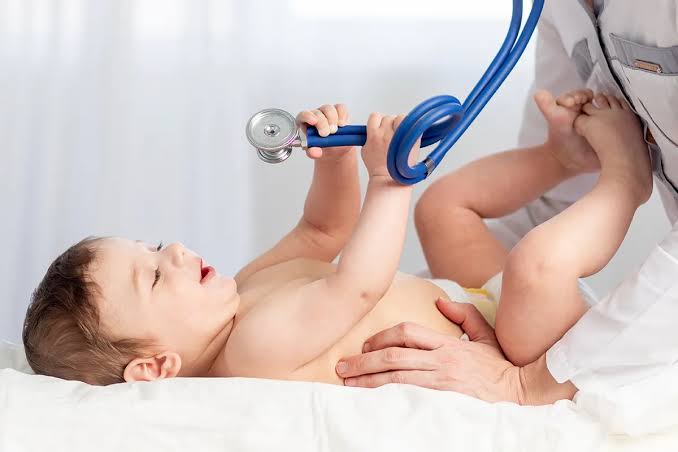
A paediatric consultation is designed to make children feel comfortable while gathering important health information.
The appointment usually includes:
Medical History
The doctor asks questions about:
- Symptoms
- Previous illnesses
- Birth history
- Family medical history
- Medications
- Allergies
- Vaccination history
Physical Examination
The examination may include checking:
- Temperature
- Heart rate
- Blood pressure
- Weight
- Height
- Ears
- Nose
- Throat
- Lungs
- Heart
- Abdomen
- Skin
Growth Assessment
Measurements are compared with age-appropriate growth charts.
This helps determine whether growth is progressing normally.
Development Assessment
The doctor evaluates developmental milestones appropriate for the child’s age.
Parents may also discuss concerns regarding behavior, learning, or communication.
Treatment Plan
After evaluation, the doctor explains:
- Diagnosis
- Treatment options
- Home care advice
- Medications if required
- Follow-up appointments
- Preventive recommendations
Parents have the opportunity to ask questions and better understand their child’s condition.
Common Treatments in General Paediatrics
Treatment depends on the child’s condition and overall health.
Common treatments include:
Medication
Medicines may be prescribed for:
- Fever
- Bacterial infections
- Allergies
- Asthma
- Skin conditions
- Digestive problems
Doctors always consider the child’s age and weight before prescribing medication.
Lifestyle Advice
Many childhood conditions improve with healthy habits.
Parents may receive guidance on:
- Healthy eating
- Better sleep routines
- Hydration
- Exercise
- Hygiene
- Screen time management
Monitoring
Some conditions simply require regular observation rather than immediate treatment.
Growth, nutrition, and development are often monitored over time.
Specialist Referral
If necessary, children may be referred to specialists for advanced care, including:
- Allergy specialists
- Neurologists
- Gastroenterologists
- Cardiologists
- Orthopaedic specialists
- Endocrinologists
Supporting Emotional Well-Being
Children’s emotional health is just as important as their physical health.
General paediatric care includes support for:
- Anxiety
- School-related stress
- Behavioral changes
- Sleep difficulties
- Emotional development
Parents are encouraged to discuss any emotional or behavioral concerns during routine appointments.
Tips for Keeping Children Healthy
Parents can support their child’s health every day by encouraging healthy habits.
Helpful tips include:
- Maintain a balanced diet.
- Encourage daily physical activity.
- Ensure enough sleep.
- Follow vaccination schedules.
- Teach proper handwashing.
- Limit sugary foods and drinks.
- Encourage outdoor play.
- Schedule regular health checkups.
- Promote good dental hygiene.
- Create a supportive home environment.
Small healthy habits can make a significant difference over time.
Benefits of Regular General Paediatric Care
Consistent paediatric care provides many long-term benefits.
These include:
- Early disease detection
- Better growth monitoring
- Improved immunity through vaccinations
- Faster treatment of illnesses
- Better nutrition
- Healthy physical development
- Emotional support
- Parent education
- Reduced health complications
Children who receive regular medical care often enjoy better overall health throughout childhood.
Choosing the Right General Paediatric Care
When selecting paediatric care, parents often look for:
- Experienced medical professionals
- Child-friendly environment
- Comprehensive healthcare services
- Preventive care programs
- Personalized treatment plans
- Easy communication with parents
- Regular follow-up support
A caring and supportive healthcare team helps both children and parents feel more confident throughout every stage of development.
Conclusion
Children’s health requires continuous attention from infancy through adolescence. Regular checkups, vaccinations, early diagnosis, proper treatment, and healthy lifestyle guidance all play an essential role in supporting lifelong well-being. Choosing the best general paediatrics treatment in dubai ensures that children receive comprehensive care tailored to their changing needs while giving parents confidence in every stage of their child’s development.
For families seeking compassionate and comprehensive paediatric care, Dr. Mahesh Katre provides personalized treatment focused on preventive healthcare, accurate diagnosis, healthy growth, and the overall well-being of every child.