Your face is one of the first things people notice about you. It plays a big role in your appearance, confidence, and how you express emotions. Over time, aging, injuries, birth conditions, or lifestyle factors can change the way your face looks and functions. Thankfully, modern facial surgery offers safe and effective solutions to improve both appearance and facial health.
If you are considering treatment to improve your facial features or restore facial function, choosing the right facial surgeon in dubai is an important first step. An experienced facial surgeon understands the delicate balance between achieving natural-looking results and maintaining normal facial function.
In this guide, you will learn about the most common facial treatments and procedures, who may benefit from them, and what you can expect before, during, and after surgery.
What Is a Facial Surgeon?
A facial surgeon is a medical specialist who performs procedures involving the face, head, and neck. Their goal is not only to improve appearance but also to restore function when needed.
Facial surgeons treat a wide range of conditions, including:
- Facial injuries
- Birth defects
- Skin and soft tissue concerns
- Signs of aging
- Nose and ear conditions
- Facial asymmetry
- Facial tumors
- Scars from accidents or previous surgeries
Every patient’s needs are different, so treatment plans are always personalized after a detailed consultation and examination.
When Should You Visit a Facial Surgeon?
Many people think facial surgery is only for cosmetic reasons. However, facial surgeons also help patients with medical problems that affect breathing, speaking, chewing, or facial movement.
You may consider consulting a facial surgeon if you have:
- A crooked or damaged nose after an injury
- Difficulty breathing through the nose
- Loose skin due to aging
- Deep facial wrinkles
- Drooping eyelids affecting vision
- Large ears that affect confidence
- Facial scars
- Jaw or facial imbalance
- Skin growths that require removal
- Congenital facial abnormalities
Early consultation helps determine the most suitable treatment and prevents some conditions from becoming more complicated.
Common Facial Treatments and Procedures
Modern facial surgery includes many different procedures. Some improve appearance, while others restore normal function or repair damaged tissues.
1. Rhinoplasty (Nose Reshaping Surgery)
Rhinoplasty is one of the most popular facial procedures. It changes the shape, size, or structure of the nose while maintaining harmony with the rest of the face.
People choose rhinoplasty for reasons such as:
- Improving facial balance
- Correcting a crooked nose
- Reducing or increasing nose size
- Refining the nasal tip
- Removing a hump on the bridge
- Correcting breathing problems
- Repairing injury-related deformities
The procedure can improve both appearance and nasal function.
2. Facelift Surgery
As we age, our skin gradually loses collagen and elasticity. This often causes sagging skin, deep folds, and loose muscles.
A facelift helps by:
- Tightening facial tissues
- Removing excess skin
- Reducing deep wrinkles
- Improving jawline definition
- Creating a refreshed appearance
A good facelift focuses on natural-looking improvement rather than creating an overly tight appearance.
3. Neck Lift
The neck often shows signs of aging earlier than other areas of the body.
A neck lift can improve:
- Loose neck skin
- Double chin
- Neck bands
- Poor jawline definition
Many patients combine a neck lift with facelift surgery for balanced results.
4. Eyelid Surgery (Blepharoplasty)
The eyes are one of the first areas where aging becomes noticeable.
Eyelid surgery removes excess skin and fat around the eyes to create a more refreshed appearance.
Benefits include:
- Less droopy upper eyelids
- Reduced under-eye bags
- Better field of vision in some patients
- A brighter, younger look
Recovery is usually quicker compared to many other facial procedures.
5. Brow Lift
A brow lift raises the eyebrows and smooths forehead wrinkles.
This treatment may help improve:
- Heavy eyebrows
- Forehead lines
- Frown lines
- Tired facial appearance
It can create a more alert and refreshed expression without changing your natural look.
6. Chin and Jawline Enhancement
The chin and jawline play an important role in facial balance.
Enhancement procedures may involve:
- Chin implants
- Bone reshaping
- Fat grafting
- Jaw contouring
These treatments can improve facial proportions and create better harmony between facial features.
7. Otoplasty (Ear Surgery)
Ear surgery changes the shape, position, or size of the ears.
It is commonly performed for:
- Prominent ears
- Uneven ears
- Birth defects
- Ear injuries
Both children and adults may benefit from this procedure.
8. Scar Revision Surgery
Scars can result from accidents, burns, previous surgeries, or injuries.
Scar revision aims to:
- Reduce scar visibility
- Improve skin texture
- Restore facial appearance
- Improve movement if scars limit function
Different techniques are selected depending on the scar type and location.
9. Facial Reconstruction Surgery
Reconstructive procedures restore facial appearance and function after trauma or disease.
These surgeries may be required following:
- Facial fractures
- Skin cancer removal
- Severe injuries
- Congenital abnormalities
The treatment plan often combines advanced surgical techniques with careful planning to achieve the best possible outcome.
10. Skin Lesion and Facial Tumor Removal
Facial surgeons also remove various skin growths, including:
- Cysts
- Lipomas
- Moles
- Benign tumors
- Certain skin cancers
The goal is complete removal while minimizing visible scarring whenever possible.
Who Is a Good Candidate for Facial Surgery?
Not everyone requires surgery. During consultation, your facial surgeon evaluates your medical history, facial structure, skin quality, and treatment goals.
Good candidates generally:
- Are in good overall health
- Have realistic expectations
- Do not smoke or are willing to stop before surgery
- Understand the recovery process
- Want long-lasting improvement
The most suitable procedure depends on your individual needs rather than age alone.
What Happens During the Consultation?
The consultation is one of the most important parts of the treatment journey.
During your appointment, your surgeon may:
- Discuss your concerns
- Review your medical history
- Examine your facial anatomy
- Take clinical photographs
- Explain available treatment options
- Discuss expected results
- Explain possible risks
- Answer your questions
This helps create a personalized treatment plan based on your goals.
Preparing for Facial Surgery
Proper preparation helps improve safety and recovery.
Your surgeon may advise you to:
- Stop smoking several weeks before surgery
- Avoid certain medications that increase bleeding
- Complete required blood tests
- Arrange transportation after surgery
- Prepare your recovery area at home
- Follow fasting instructions if general anesthesia is planned
Always follow your surgeon’s specific instructions carefully.
Recovery After Facial Surgery
Recovery varies depending on the procedure performed.
Most patients can expect:
First Few Days
- Mild swelling
- Bruising
- Temporary discomfort
- Rest at home
First Two Weeks
- Swelling gradually decreases
- Stitches may be removed
- Daily activities slowly resume
Following Weeks
- Continued healing
- Improved appearance
- Reduced swelling
- Gradual return to exercise after medical approval
Final results may take several months to fully develop as tissues heal naturally.
Benefits of Facial Surgery
Facial surgery can provide both cosmetic and functional improvements.
Some common benefits include:
- Improved facial balance
- Better self-confidence
- Enhanced breathing in functional procedures
- Younger appearance
- Correction of birth defects
- Better facial symmetry
- Long-lasting results
- Improved quality of life
The focus is always on achieving natural-looking outcomes that suit your facial features.
Possible Risks
Like any surgical procedure, facial surgery carries some risks.
Potential complications may include:
- Infection
- Bleeding
- Swelling
- Bruising
- Temporary numbness
- Scarring
- Delayed healing
- Need for revision surgery in some cases
Choosing an experienced surgeon and carefully following aftercare instructions helps reduce these risks.
How to Choose the Right Facial Surgeon
Selecting the right surgeon is one of the most important decisions you will make.
Consider the following factors:
Experience
Look for extensive experience in facial procedures similar to the treatment you need.
Personalized Treatment
Every face is unique. A good surgeon creates an individualized treatment plan instead of offering the same solution to everyone.
Natural Results
The goal should be enhancement rather than dramatic changes that appear unnatural.
Clear Communication
A trustworthy surgeon explains both benefits and possible risks honestly while answering all your questions.
Comprehensive Aftercare
Good follow-up care supports proper healing and helps achieve the best possible outcome.
Frequently Asked Questions
Is facial surgery painful?
Most procedures are performed under anesthesia, so you will not feel pain during surgery. Mild discomfort after surgery is usually manageable with prescribed medications.
How long does recovery take?
Recovery depends on the procedure. Some treatments require only one to two weeks, while more complex surgeries may take several months for complete healing.
Will facial surgery leave scars?
Every surgery creates some scarring, but facial surgeons carefully place incisions in less noticeable areas whenever possible. Over time, scars usually become less visible.
Can facial surgery look natural?
Yes. Modern techniques focus on creating balanced, natural-looking improvements that complement your facial features.
Are the results permanent?
Many facial surgery results are long-lasting. However, the natural aging process continues over time.
Conclusion
Facial surgery can improve appearance, restore facial function, and help many people feel more confident in their everyday lives. Whether you are considering rhinoplasty, facelift surgery, eyelid surgery, facial reconstruction, or another procedure, understanding your options is the first step toward making an informed decision.
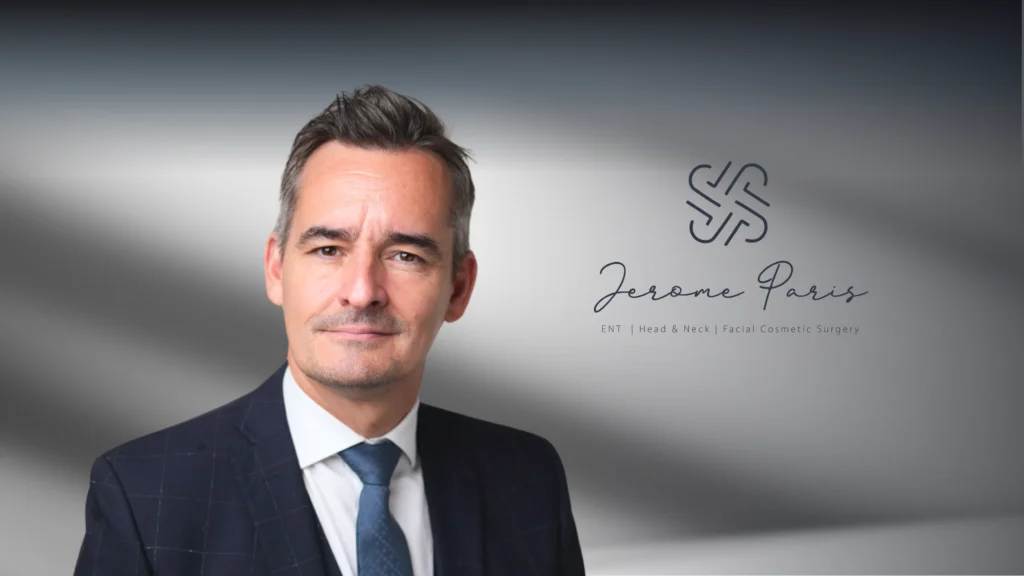
If you are looking for a trusted facial surgeon in Dubai, consulting Dr. Jerome Paris can help you understand which treatment is best suited to your needs. A personalized evaluation, realistic expectations, and expert surgical care are essential for achieving safe, natural-looking, and long-lasting results.