
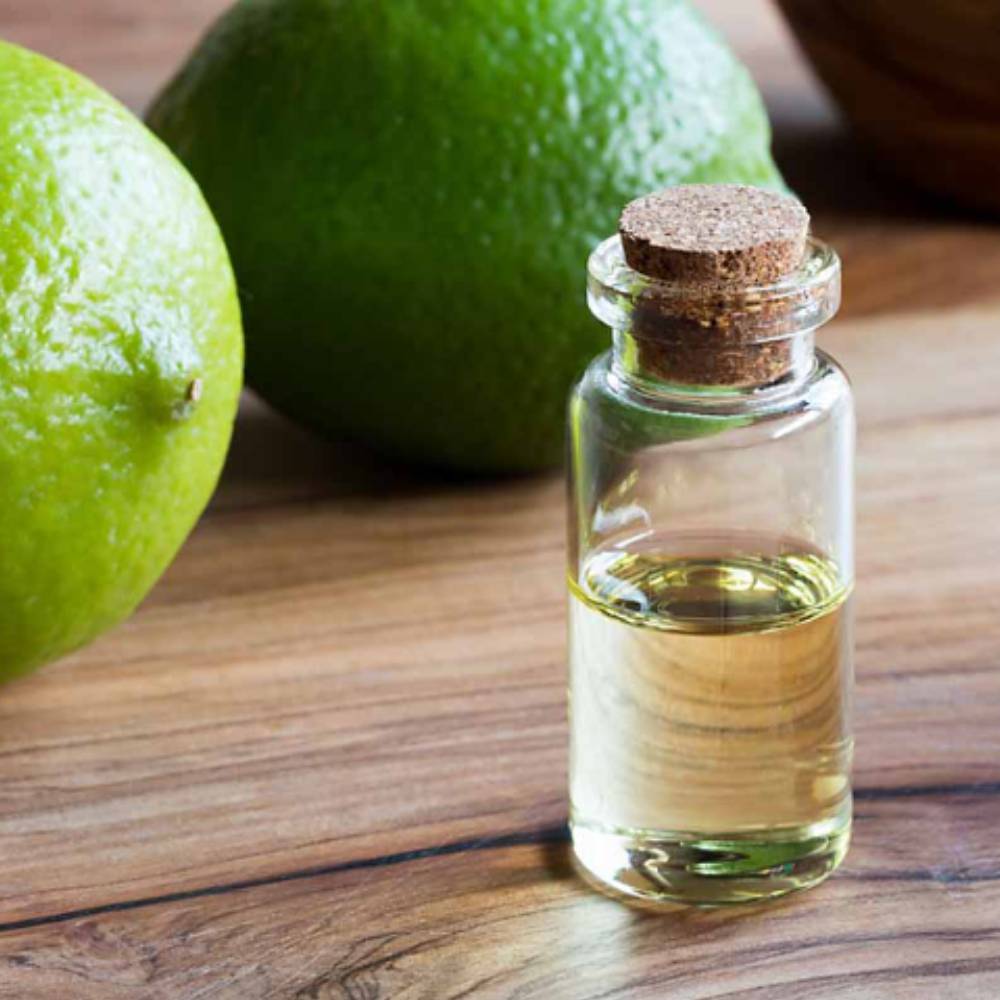
Hydrosols, also known as floral waters or plant waters, have quietly become one of the most versatile ingredients across the cosmetics, aromatherapy, food, and wellness industries. As demand for natural and gentle formulations grows, businesses of every size are searching for reliable hydrosols bulk suppliers who can deliver consistent quality at scale. Whether you run a skincare brand, a spa, a candle-making business, or a food and beverage line, understanding hydrosols and how to source them properly can make a real difference to your product quality and bottom line.
What Are Hydrosols?
Hydrosols are the aromatic water produced as a byproduct of steam distillation, the same process used to extract essential oils. When plant material such as flowers, herbs, or leaves is steamed, the vapor carries both the essential oil and water-soluble compounds. Once condensed, the oil separates to the top while the remaining water — infused with trace amounts of oil and plant-derived compounds — becomes the hydrosol. Popular examples include rose water, lavender hydrosol, chamomile water, and witch hazel distillate.
Unlike essential oils, hydrosols are much gentler and can often be used directly on the skin without dilution, making them ideal for a wide range of applications.
Benefits of Hydrosols
- Gentle and Skin-Friendly: Hydrosols contain a much lower concentration of active compounds than essential oils, making them safe for direct topical use, including on sensitive skin, children, and even pets in some cases.
- Natural Fragrance: They offer a subtle, natural scent without the intensity of essential oils, making them popular in perfumery and personal care.
- Hydration and Toning: Many hydrosols, such as rose or cucumber water, are prized for their hydrating, soothing, and toning properties in skincare routines.
- Therapeutic Properties: Depending on the source plant, hydrosols can carry anti-inflammatory, antimicrobial, or calming properties useful in aromatherapy and holistic wellness.
- Versatility: They can be used in cooking, baking, cocktails, room sprays, linen mists, and even veterinary care.
- Cost-Effective Alternative: Compared to essential oils, hydrosols are more affordable, allowing brands to formulate products with natural ingredients while managing costs.
How Hydrosols Are Processed
The quality of a hydrosol manufacturers depends heavily on the distillation process. Reputable producers use copper or stainless steel stills and carefully control temperature, pressure, and distillation time to preserve the delicate aromatic and therapeutic compounds. After distillation, hydrosols typically go through:
- Settling and Separation: Allowing any residual essential oil to rise and be skimmed off.
- Filtration: Removing plant particles or sediment for clarity.
- Microbial Testing: Since hydrosols are water-based, they are more prone to microbial growth, so quality suppliers test batches for contamination.
- Preservation Considerations: Some hydrosols are sold as-is (best refrigerated and used quickly), while others may include natural preservatives for extended shelf life.
- Packaging: Proper amber or opaque containers protect hydrosols from light degradation, especially important for bulk shipments.
Buyers sourcing in bulk should always ask suppliers about their distillation method, batch testing protocols, and shelf-life guarantees to ensure consistency across large orders.
Industries That Rely on Hydrosols
The demand for bulk hydrosols spans several industries:
- Cosmetics and Skincare: Used as a base for toners, facial mists, cleansers, and moisturizers.
- Aromatherapy and Wellness: Incorporated into diffuser blends, massage products, and relaxation therapies.
- Perfumery: Used to add subtle natural notes to fragrances and body mists.
- Food and Beverage: Rose water and orange blossom water are common in Middle Eastern, South Asian, and Mediterranean cuisines, as well as in cocktails and baked goods.
- Home Fragrance: Linen sprays, room mists, and candle-making often use hydrosols for a natural scent profile.
- Spa and Salon Industry: Facial steaming, mist toning, and relaxation treatments frequently rely on bulk hydrosol supplies.
- Veterinary and Pet Care: Gentle hydrosols like lavender or chamomile are used in calming pet sprays and grooming products.
Choosing the Right Bulk Supplier
When selecting a supplier for bulk hydrosols, consider the following factors:
- Sourcing Transparency: Does the supplier disclose the origin of raw plant material and distillation practices?
- Quality Certifications: Look for certification, GC-MS testing reports, and adherence to good manufacturing practices.
- Batch Consistency: Ask for samples or certificates of analysis to confirm consistency across large orders.
- Packaging and Shipping: Bulk hydrosols should be shipped in food-grade, light-protective containers with proper labeling.
- Customer Support: A responsive supplier who can answer technical questions about shelf life, dilution, and storage adds long-term value to your business relationship.
One example of a supplier catering to this space is Hetaksh Essential Oils, which reflects the kind of sourcing transparency and quality documentation buyers should look for when evaluating any bulk hydrosol partner.
Sourcing from trustworthy hydrosols wholesale ensures your products maintain the purity, safety, and therapeutic value that customers expect from natural formulations. By understanding the distillation process, benefits, and industry applications, buyers can make informed decisions and build long-term supplier relationships that support consistent product quality.
Frequently Asked Questions (FAQ)
1. What is the shelf life of bulk hydrosols?
Most hydrosols have a shelf life of 1–2 years if stored properly in a cool, dark place, and even longer if refrigerated. Some suppliers add natural preservatives to extend usability.
2. Are hydrosols the same as essential oils diluted in water?
No. Hydrosols are a distinct byproduct of steam distillation, not a diluted essential oil. They contain different, water-soluble compounds and have a much milder concentration profile.
3. Can hydrosols be used directly on skin?
Yes, in most cases. Hydrosols are gentle enough for direct application, though it’s always wise to do a patch test first, especially for sensitive skin.
4. What is the minimum order quantity for bulk hydrosol purchases?
This varies by supplier, but many wholesale hydrosol suppliers offer minimum orders starting from a few liters up to industrial drum quantities (200L or more).
5. How should bulk hydrosols be stored?
Store in a cool, dark place away from direct sunlight. Refrigeration is recommended for extending shelf life, especially once a container has been opened.
6. Which hydrosols are most popular for bulk purchase?
Rose, lavender, chamomile, witch hazel, orange blossom, and peppermint hydrosols are among the most commonly ordered in bulk due to their versatility across skincare, food, and wellness applications.
7. Do hydrosols expire or go bad?
Yes, since they are water-based, hydrosols can develop microbial growth over time if not stored correctly. Always check for cloudiness, unusual odor, or discoloration before use.
8. Are bulk hydrosols suitable for private label products?
Absolutely. Many bulk suppliers offer private labeling and custom packaging options, making hydrosols a popular choice for brands looking to launch natural skincare or wellness lines.
