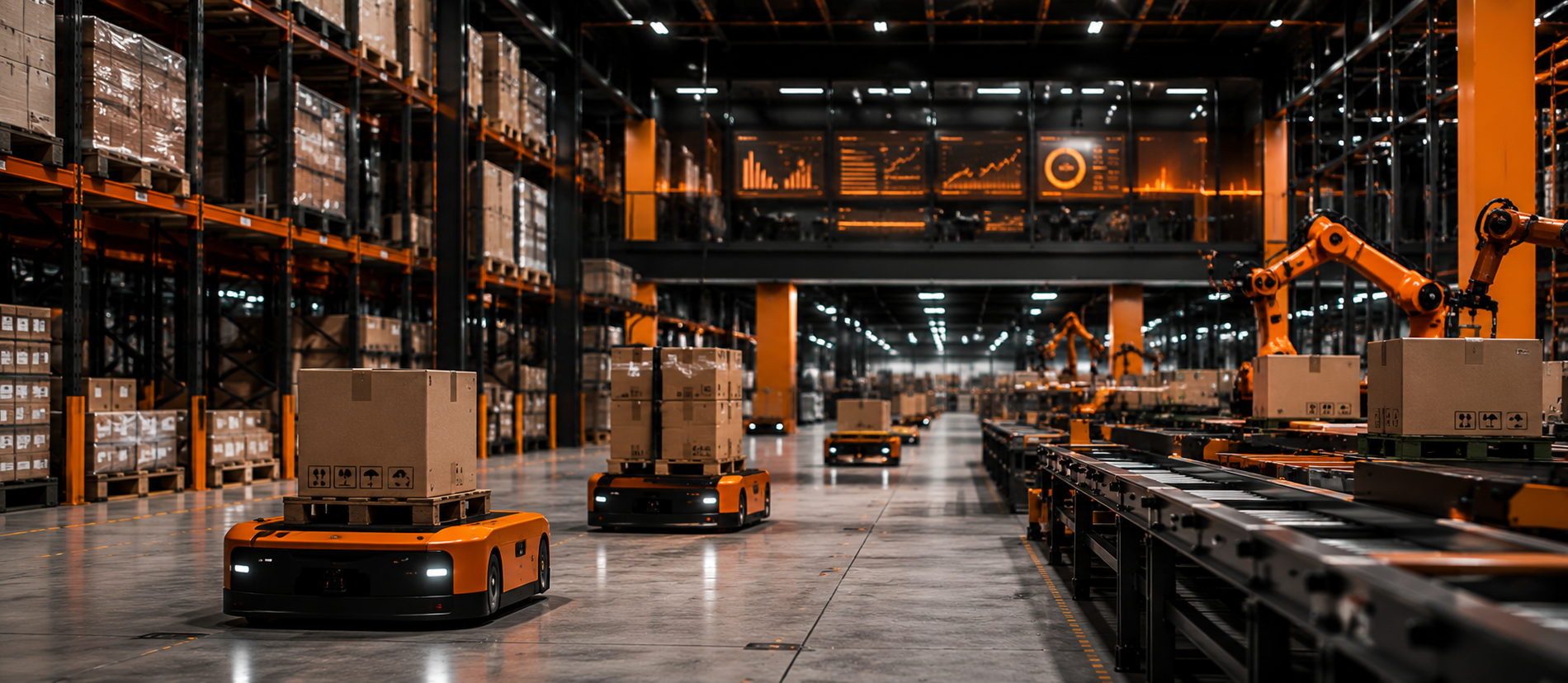
The global textile manufacturing landscape is evolving at a rapid pace. Industrial facilities face increasing pressure to handle higher volumes of fabrics, finished garments, and raw materials while maintaining tight delivery schedules. Traditional storage methods often lead to severe bottlenecks, misplaced inventory, and wasted vertical space, which directly impact the overall profitability of a business.
To remain competitive in this fast moving environment, manufacturers must rethink how they store, retrieve, and manage their materials. Advanced material handling technology has shifted from being a luxury to an absolute necessity. Modernizing storage infrastructure allows facilities to improve throughput, reduce operational errors, and create a safer working environment for their warehouse personnel.
Implementing Smart warehousing solutions is the most effective way for textile producers to optimize their space and streamline complex distribution workflows. By replacing manual processes with intelligent storage racks, automated shuttle systems, and computerized conveyors, businesses can unlock hidden capacity within their existing physical footprints. These state of the art technologies allow for real time tracking and seamless integration with broader enterprise resource planning systems.
The Operational Power of Radio Shuttle Racking Systems
When it comes to high density pallet storage, the radio shuttle racking system stands out as a premier choice for modern textile warehouses. This semi automated storage and retrieval technology uses a low profile robotic shuttle to transport heavy pallets deep within the racking channels. Operators use wireless remote controls or integrated software to command the shuttle, eliminating the need for forklifts to enter the physical storage lanes.
This system operates efficiently on both First In First Out and Last In First Out inventory principles. By eliminating forklift travel inside the rack structures, manufacturers significantly reduce the risk of structural damage to the racking frames. This design also increases operational speed because forklift operators only need to place or retrieve pallets at the face of the rack, allowing the robotic shuttle to handle the deep lane transit.
For textile operations dealing with high volume goods such as uniform fabric rolls, raw cotton pallets, or standardized packaged garments, shuttle systems maximize storage density like no other. They utilize vertical and horizontal warehouse space to its absolute limit, often doubling the storage capacity of a standard warehouse layout.
Maximizing Vertical Footprint with Multi Tier Mezzanine Racking
Many textile mills and garment manufacturing plants struggle with low ceiling utilization. When standard floor space runs out, building outward is rarely a cost effective or practical option. Multi tier mezzanine racking provides an elegant solution by utilizing the underused vertical air space of the building, effectively creating multiple floor levels within a single warehouse footprint.
These multi tier structures are highly customizable and can be configured with two, three, or four levels depending on the clearance height of the facility. Constructed from high grade structural steel, they offer exceptional load bearing capacity. Mezzanine floors can be designated for manual picking zones, garment sorting areas, packaging departments, or secondary storage.
By adding structural stairs, heavy duty safety handrails, and automated cargo lifts, warehouses can safely move workers and goods between levels. This approach turns a single level warehouse into a highly organized, multi floor fulfillment center, saving businesses from the massive capital expenditures associated with facility relocation or physical expansion.
Streamlining Garment Flow with IoT Hanger Systems
In the apparel sector, preserving the quality of finished garments during storage and transport is crucial. Folding high end garments into boxes often leads to creasing, which requires costly and time consuming ironing before shipping. IoT enabled hanger conveyor systems solve this issue by transporting finished clothing items vertically and horizontally on hangers throughout the production and storage facility.
The standard and chain IoT hanger systems utilize computerized tracking to route individual garments to their correct destination automatically. This technology integrates smart sensors and radio frequency identification tags to identify, sort, and dispatch garments based on size, color, style, or order number. The entire process requires minimal human intervention, dramatically reducing sorting errors and labor costs.
Heavy duty chain driven IoT conveyor lines are specifically engineered to carry heavier garments like winter coats, leather jackets, and heavy denim items over long distances. By keeping the garments suspended on automated hangers, the facility maintains the pristine condition of the apparel while speeding up the order fulfillment process significantly.
Organizing Heavy and Bulk Materials with Cantilever and Selective Racking
Textile warehouses deal with a diverse range of inventory shapes and sizes. Storing long, bulky, or irregularly shaped items like carpet rolls, fabric bolts, and raw metal shafts presents unique safety and accessibility challenges. Standard pallet racks are often unsuitable for these materials because the upright columns block the horizontal placement of elongated goods.
Cantilever racking systems are specifically designed to handle these awkward loads. Featuring heavy duty steel columns and cantilevered arms extending outward, these systems have no front obstructions, allowing forklifts to easily load and unload extra long materials. Adjustable arm configurations make it easy for warehouse managers to customize the rack spacing according to changing inventory profiles.
For standard palletized goods, heavy duty selective pallet racking remains the most popular and versatile choice. This system offers direct access to every single pallet in the warehouse at all times, making it ideal for facilities with highly diverse product ranges. These adjustable racks can be customized with various beam lengths and wire decking options to fit any pallet specification.
High Density Storage with Drive In Pallet Racking
For warehouses storing large quantities of homogeneous products with low rotation cycles, drive in pallet racking is an exceptionally efficient option. This system is designed around the Last In First Out configuration, where forklifts drive directly into the racking lanes to deposit or retrieve pallets. By removing the need for multiple access aisles between racks, drive in systems dramatically increase storage density.
Drive in racks are constructed from premium structural steel to withstand the daily wear and tear of forklift interaction. This system is particularly beneficial for seasonal textile storage, raw material stockpiles, and bulk packaging materials. It ensures that up to eighty percent of the physical warehouse volume is dedicated strictly to product storage rather than empty aisle space.
When paired with a reliable warehouse management system, drive in racking keeps bulk inventory perfectly organized. It minimizes energy consumption in temperature controlled facilities because the highly concentrated storage layout reduces the overall air volume that needs to be cooled or heated.
Integrating Powered Accumulating Conveyors for Seamless Transit
Efficient material movement between production zones, storage areas, and shipping docks is the backbone of any successful textile mill. Relying on manual labor or manual hand trucks to move heavy boxes of yarn or finished garments is slow, inefficient, and prone to accidents. Powered accumulating conveyor lines automate this physical transit, ensuring a smooth and continuous flow of goods.
These high speed conveyor systems feature smart accumulation logic, which prevents boxes or bins from colliding with one another as they travel along the line. If a backup occurs at the sorting or packaging station, the conveyor rollers automatically stop in that specific zone while the rest of the line continues to move. This non contact accumulation protects fragile goods and expensive packaging from damage.
These systems can easily handle varying belt widths and adjustable operational speeds, making them highly adaptable to different production volumes. By connecting the production floor directly to the smart warehouse racking systems, automated conveyors eliminate bottlenecks and keep the entire operation running at peak efficiency.
Key Advantages of Upgrading to Advanced Warehouse Infrastructure
Upgrading your storage infrastructure delivers immediate, measurable benefits across all areas of your business operations. The most obvious advantage is the dramatic increase in storage capacity within your existing facility walls. By utilizing vertical height and high density racking configurations, businesses can avoid the massive costs and disruptions of moving to a larger building.
Another critical benefit is the major boost in labor productivity. Automated shuttle systems, IoT hanger conveyors, and powered roller lines minimize the physical walking distance for warehouse workers. Staff can focus on high value tasks like quality control, order verification, and strategic planning rather than spending hours searching for and moving materials manually.
Furthermore, advanced storage solutions greatly enhance inventory accuracy and workplace safety. With structured racking systems and automated tracking, every item has a designated, easily locatable home, virtually eliminating lost or misplaced stock. Stronger, certified steel rack designs also minimize the risk of structural collapses and falling items, protecting your valuable workforce and inventory.
Strategic Steps to Implement Your Storage Transformation
Transitioning your warehouse to an advanced storage setup requires a structured, step by step approach. First, you must conduct a thorough audit of your current inventory, measuring the dimensions, weights, and turnover rates of all your raw materials and finished goods. This data helps determine which racking systems, such as selective, cantilever, or shuttle racking, are best suited for your specific needs.
Next, analyze your existing warehouse workflow, noting where physical bottlenecks occur during receiving, sorting, storing, and shipping. This analysis will guide the placement of automated conveyor lines, mezzanine levels, and IoT hanger systems. Working with an experienced industrial machinery and storage partner ensures that your layout is designed for maximum efficiency and regulatory compliance.
Finally, invest in proper training for your team. Introducing new technology like radio shuttles or automated hangers requires a cultural shift. Providing comprehensive on site training sessions ensures that your operators can use the new machinery safely and confidently, allowing you to achieve a rapid return on your investment.
Frequently Asked Questions
What is a radio shuttle racking system and how does it function?
A radio shuttle racking system is a high density semi automated storage solution that utilizes a robotic shuttle to move pallets within deep racking lanes. The shuttle runs on tracks beneath the pallets and is controlled remotely by an operator. A forklift simply places the pallet at the entrance of the lane, and the shuttle carries it to the deepest available slot. This process eliminates the need for forklifts to enter the rack structure, which speeds up operations, increases storage density, and minimizes rack damage.
How can multi tier mezzanine racking help my warehouse save money?
Multi tier mezzanine racking saves money by utilizing the unused vertical space in your existing warehouse. Instead of paying for a costly building expansion or renting a completely new warehouse, you can build upward with two to four levels of structural steel flooring. This effectively doubles or triples your usable floor space. You can use these extra levels for light storage, manual packing, sorting, or office space, allowing you to scale your business without increasing your real estate footprint.
Why are IoT hanger systems beneficial for garment manufacturers?
IoT hanger systems automate the movement, sorting, and storage of apparel while keeping them suspended on hangers. This prevents delicate or high end garments from getting creased or damaged, which eliminates the need for steam pressing before shipment. The system uses smart sensors to identify and route garments automatically to specific stations based on size, color, or customer order. This automation drastically reduces labor costs, eliminates human sorting errors, and speeds up the entire order processing cycle.
What is the main difference between cantilever racking and selective racking?
The primary difference lies in their structural design and the types of inventory they are built to hold. Selective racking is the traditional system with vertical upright columns in the front, making it ideal for standard palletized goods. Cantilever racking features heavy duty support columns in the back with steel arms extending forward, leaving the front completely open. This open front design makes cantilever racking perfect for storing long, bulky, or irregularly shaped items like fabric rolls and carpets that cannot fit into standard pallet spaces.
How do powered accumulating conveyor lines prevent product damage?
Powered accumulating conveyor lines feature built in sensors and zoned control logic that prevent packages from bumping into each other. When a package stops at a downstream station, the conveyor rollers in the immediate upstream zone automatically stop rotating to hold the trailing package in place.
Once the path is clear, the conveyor resumes movement. This zero pressure accumulation prevents collisions, protects fragile materials, and ensures a smooth, continuous flow of goods without manual monitoring.
Final Summary
Maximizing operational efficiency and optimizing warehouse storage capacity are crucial milestones for any growing textile or manufacturing business. By investing in modern storage infrastructure, such as automated radio shuttle systems, high density pallet racking, and smart conveyor lines, facilities can eliminate costly bottlenecks and dramatically improve their daily throughput.
These advanced systems turn chaotic warehouses into highly organized, safe, and productive hubs. Partnering with a trusted provider like Textile Services Company allows you to seamlessly integrate these cutting edge technologies, ensuring your operations are fully prepared to meet the demands of tomorrow.