
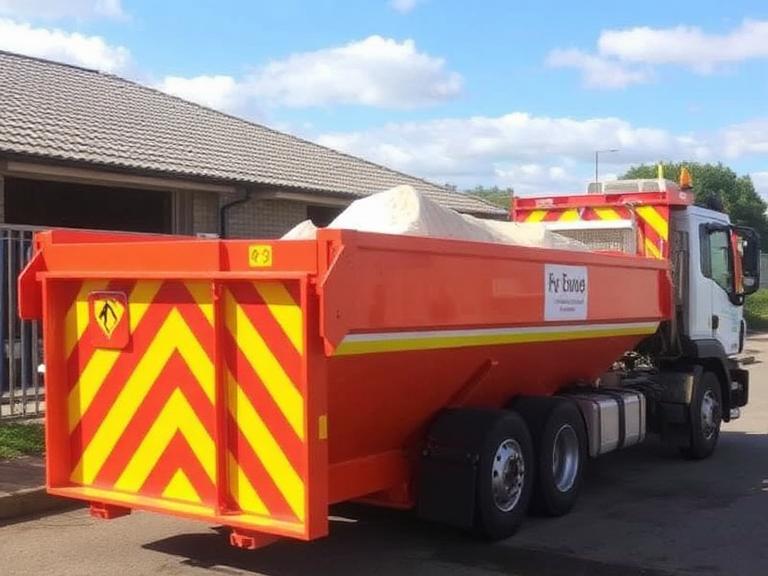
This construction skip bins is designed to help builders, contractors, and renovators manage construction waste efficiently while keeping projects on schedule and within budget. Ever found yourself knee-deep in rubble, wondering how you’re going to clear all the mess? Or perhaps you’ve been caught out by unexpected disposal costs that blew your project budget? If you’re a builder in Australia, you’ll know that waste management isn’t just an afterthought—it’s an essential part of every successful build.
Construction sites generate mountains of waste, including concrete, timber, plasterboard, bricks, metal offcuts, and packaging materials. Without a proper waste management plan, your site can quickly become cluttered, unsafe, and less productive. That’s why construction skip bins are an essential solution for keeping worksites organised, improving safety, and ensuring waste is disposed of responsibly.
In this Construction Skip Bins Guide, you’ll learn how to choose the right skip bin size, understand what materials can and cannot be disposed of, comply with local council regulations, and reduce waste disposal costs. Whether you’re completing a home renovation or managing a large commercial construction project, this guide provides practical tips to help you streamline waste management and keep your site running efficiently.
Types of Skip Bins for Construction Sites
Types of Skip Bins for Construction Sites Not all skip bins are created equal. The type you choose depends heavily on your project’s scale and the kind of waste you’re dealing with.
- Mini skips are perfect for smaller renovation jobs. Think bathroom makeovers or kitchen upgrades. They typically range from 2 to 4 cubic metres and fit neatly into tighter spaces. For residential builds,
- Standard skip bins (usually 6 to 8 cubic metres) offer enough capacity for general construction waste without taking over your entire site. When you’re working on
- Commercial construction, you’ll likely need large skip bins ranging from 10 to 30 cubic metres. These handle substantial volumes of debris and can accommodate heavier materials like concrete and bricks. You’ll also encounter two main delivery systems:
- Marrel and hooklift. Marrel skips are the traditional style, lifted onto trucks using chains and a hydraulic arm. Hooklift bins are larger and get loaded using a hook system—ideal for bigger jobs requiring frequent swaps.
What Size Skip Bin Do I Need for My Construction Project?
Getting the size right saves you money and hassle. Skip bin sizes are measured in cubic metres, and visualising these volumes takes a bit of practice.
A 4 cubic metre bin holds roughly 40 wheelie bins’ worth of waste. An 8 cubic metre skip doubles that capacity. For perspective, a single-room renovation might fill a 4m³ bin, while a complete house knockdown could require 20m³ or more.
How Do I Estimate the Amount of Waste My Build Will Generate?
Start by considering the project scope. Are you demolishing existing structures? Installing new frameworks? Each phase generates different waste volumes. As a rough guide, allow 1 cubic metre of skip space per 10 square metres of construction area.
It’s generally smarter to go slightly larger than you think you’ll need. Overfilling bins creates safety issues and may result in extra charges. Plus, underestimating means organising additional pickups mid-project—which disrupts your workflow and adds costs.
What Can You Put in a Construction Skip Bin?
Understanding what’s allowed in your skip bin prevents headaches down the track. Most construction and demolition waste is perfectly acceptable.
Accepted materials typically include: –
- Concrete, bricks, and tiles
- Timber and plasterboard
- Metal offcuts and roofing materials
- Soil and green waste (in some cases)
- General building debris
What Materials Are Not Allowed in Skip Bins?
However, certain items are strictly off-limits. Asbestos is the big one—it requires specialist removal and disposal. Other prohibited materials include:
- Chemicals and paints
- Batteries and electrical items
- Tyres and gas bottles
- Food waste and liquids
Mixing prohibited items with general waste can result in hefty fines. If your site generates hazardous materials, arrange separate disposal through licensed contractors.
Handling Mixed Waste on Building Sites
Mixed waste is common on construction sites. While many providers accept mixed loads, separating recyclables (like clean timber and metal) often reduces costs. Some skip hire companies offer discounted rates for sorted materials, so it’s worth asking about your options.
How Much Does It Cost to Hire a Skip Bin for Construction?
Budget planning requires understanding what influences skip bin pricing. Several factors affect the final cost.
Key pricing factors include
- Bin size and type
- Hire duration
- Waste type (heavy materials cost more)
- Delivery location
- Permit requirements
Across Australia, you’ll typically pay between $250 and $400 for a standard 6m³ bin for a week’s hire. Larger bins for commercial projects can range from $500 to $1,500 or more, depending on specifications.
How Can Builders Reduce Skip Bin Costs?
Smart builders find ways to minimise waste expenses. Separating recyclables reduces disposal fees. Booking longer hire periods upfront often works out cheaper than extending later. Building relationships with reliable providers can unlock trade discounts too.
Planning bin swaps efficiently also matters. Rather than waiting until bins overflow, schedule regular pickups that align with your project phases. This keeps sites safe and prevents productivity losses.
Council Permits and Regulations for Skip Bins
Placing a skip bin isn’t always straightforward. If your bin needs to sit on public property—like a footpath or street—you’ll generally need a council permit.
Do I Need a Permit to Place a Skip Bin on the Street?
The short answer: probably yes. Most Australian councils require permits for skip bins placed on public land. Fees and application processes vary by location. Your skip hire provider can often handle permit applications on your behalf, which saves time and ensures compliance.
Regulations differ state by state. In Victoria, permits typically cost $50 to $100 per week. Queensland councils may have different fee structures and placement requirements. Always check local rules before your bin arrives.
Avoiding Fines and Compliance Issues
Non-compliance can prove costly. Fines for unpermitted bins range from several hundred to thousands of dollars. Make sure your bin displays required reflective markers for night visibility and doesn’t block pedestrian access or drainage.
Best Practices for Managing Construction Waste
Maximising your skip bin’s capacity takes some thought. Start by breaking down large items—flatten cardboard, cut timber to manageable lengths, and crush lightweight materials where safe to do so.
Load heavy items first, creating a stable base. Fill gaps with smaller debris as you go. This approach prevents wasted space and ensures even weight distribution.
Separating Waste for Recycling and Disposal
Setting up separate collection points on site makes sorting easier. Dedicate areas for timber, metal, and general waste. This small investment in organisation pays off through reduced disposal costs and environmental benefits.
For long-term projects, schedule regular bin swaps rather than trying to cram everything into one massive container. Fresh bins keep sites tidy and reduce fire risks from accumulated combustible materials.
Choosing the Right Skip Bin Provider for Builders
Not all hire companies offer the same service quality. Look for providers with experience serving construction clients. They’ll understand your specific needs and timelines.
Questions to Ask Before Booking
Before committing, clarify a few key points:
- What’s included in the quoted price?
- How quickly can bins be delivered and collected?
- What happens if you need to extend the hire period?
- Do they handle permit applications?
Establishing ongoing supplier relationships benefits both parties. Regular clients often receive priority service, better rates, and more flexible arrangements during busy periods.
Key Takeaways for Builders
Managing construction waste doesn’t need to be complicated. The right skip bin solution keeps your site safe, organised, and compliant with regulations—while protecting your budget from unexpected blowouts.
Choosing appropriate bin sizes, understanding what materials are accepted, and working with reliable providers of construction skip bins in Melbourne helps set your project up for success. Take time to separate recyclables where practical, and don’t overlook permit requirements if your bin sits on public land.
Ultimately, treating waste management as an integral part of your project planning—rather than an afterthought—delivers real benefits. Your sites run more efficiently, your crews work more safely, and your clients see a professional operation they can trust. So next time you’re scoping a job, factor in your skip bin needs from day one. Your future self will thank you for it.
Want to learn more about construction, renovations, and home improvement? Browse more helpful resources on the Local Home Services Blog.

