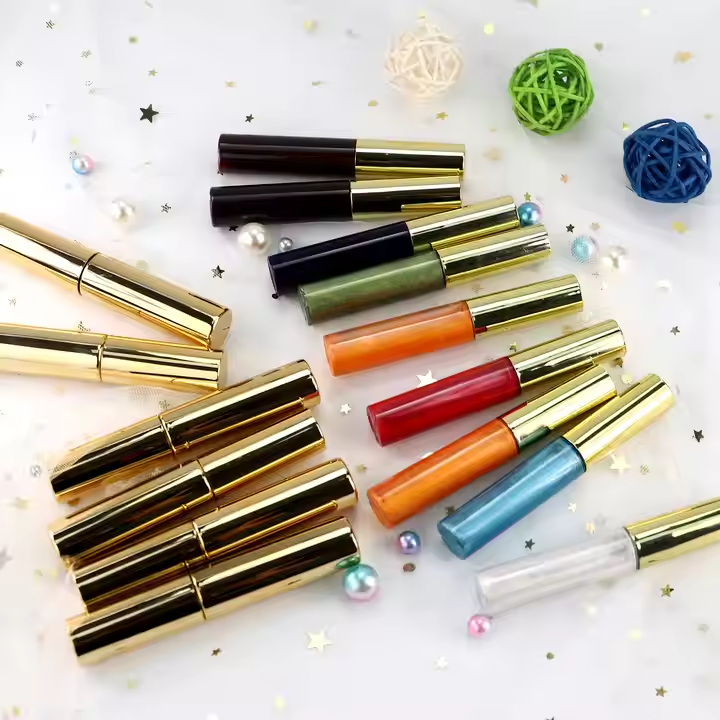
Finding the right lip gloss means looking beyond shine and color. A well-made formula should provide comfort, hydration, and long-lasting wear without leaving lips feeling dry or sticky. Many shoppers compare Candy lip glosses with other options to understand what separates premium formulas from ordinary products. Checking the ingredient list is one of the smartest ways to choose a gloss that supports both beauty and daily lip care.
Why Ingredient Quality Matters in Lip Gloss
The ingredients inside a lip gloss determine how it feels, performs, and protects your lips throughout the day. High-quality formulas help reduce dryness, improve comfort, and create a smooth finish that lasts longer. Poor-quality ingredients may cause irritation, excessive stickiness, or frequent reapplication. A carefully selected blend of moisturizing agents, nourishing oils, and protective elements delivers better results without sacrificing appearance. Reading the ingredient label helps consumers make informed decisions and avoid products that focus only on appearance rather than overall lip health.
Moisturizing Ingredients That Keep Lips Soft
Hydration should be one of the first qualities to look for in a quality lip gloss. Ingredients such as shea butter, cocoa butter, jojoba oil, coconut oil, and vitamin E help maintain moisture while reducing roughness. Hyaluronic acid is another valuable addition because it attracts water to the lips and supports a fuller appearance. Natural oils also create a comfortable barrier that minimizes moisture loss throughout the day. These ingredients work together to leave lips feeling smooth instead of dry after the gloss wears off.
Natural Oils and Protective Ingredients for Daily Wear
Natural oils provide nourishment while protective ingredients help shield lips from environmental stress. Grapeseed oil, avocado oil, sweet almond oil, and argan oil contain vitamins and fatty acids that support healthier-looking lips. Antioxidants such as vitamin C and vitamin E help protect against damage caused by daily exposure to sunlight and pollution. Beeswax or plant-based waxes create a light protective layer that improves wear time without making the gloss feel overly heavy. Balanced formulas offer both comfort and dependable performance.
How to Read a Lip Gloss Ingredient Label
Reading an ingredient label becomes much easier by following a simple process. Start by checking the first several ingredients because they make up the largest portion of the product. Look for moisturizing oils, natural butters, and vitamins near the top of the list. Avoid products that rely mainly on fillers with very few nourishing ingredients. Fragrance and coloring agents should appear in reasonable amounts rather than dominating the formula. This quick review helps shoppers compare products with greater confidence and accuracy.
Ingredients That Are Better Used in Small Amounts
Certain ingredients are commonly included in lip glosses and are generally safe, but moderation remains important. Strong fragrances may irritate sensitive lips, and excessive artificial coloring can increase the risk of discomfort for some users. Alcohol-based ingredients sometimes contribute to dryness, depending on the formula. Preservatives are necessary for product safety, yet balanced formulations use them responsibly. Paying attention to ingredient balance rather than avoiding every unfamiliar name allows buyers to choose products that combine safety, comfort, and reliable performance.
Simple Checklist for Choosing a Quality Lip Gloss
Selecting a reliable lip gloss becomes easier with a practical checklist. Look for products that include:
- Moisturizing oils such as jojoba, coconut, or argan oil
- Natural butters like shea butter or cocoa butter
- Vitamin E and antioxidants for added protection
- Hyaluronic acid for lasting hydration
- Gentle waxes that improve wear without heavy stickiness
- Balanced fragrance and color ingredients
- Clearly listed ingredients from trusted manufacturers
This approach helps shoppers compare products quickly and focus on quality instead of attractive packaging alone.
Choosing the Best Formula for Your Lip Care Routine
The ideal lip gloss should match your personal needs, whether you want extra hydration, natural shine, or comfortable everyday wear. Dry lips often benefit from richer oils and butters, while lightweight formulas suit people who prefer a less noticeable feel. Seasonal weather may also influence the type of gloss that works best, with colder months calling for additional moisture. Comparing ingredient lists, checking product reviews, and testing comfort during regular use are practical ways to identify a formula that consistently delivers satisfying results.
Conclusion
Quality lip glosses should offer more than attractive color and shine. A thoughtful combination of moisturizing ingredients, nourishing oils, protective antioxidants, and gentle waxes creates a product that supports healthier lips throughout the day. Understanding ingredient labels helps shoppers make better purchasing decisions and avoid formulas that focus only on appearance. Investing a few extra minutes in reviewing ingredients leads to greater comfort, longer wear, and improved lip care, making every application a more enjoyable part of a daily beauty routine.