
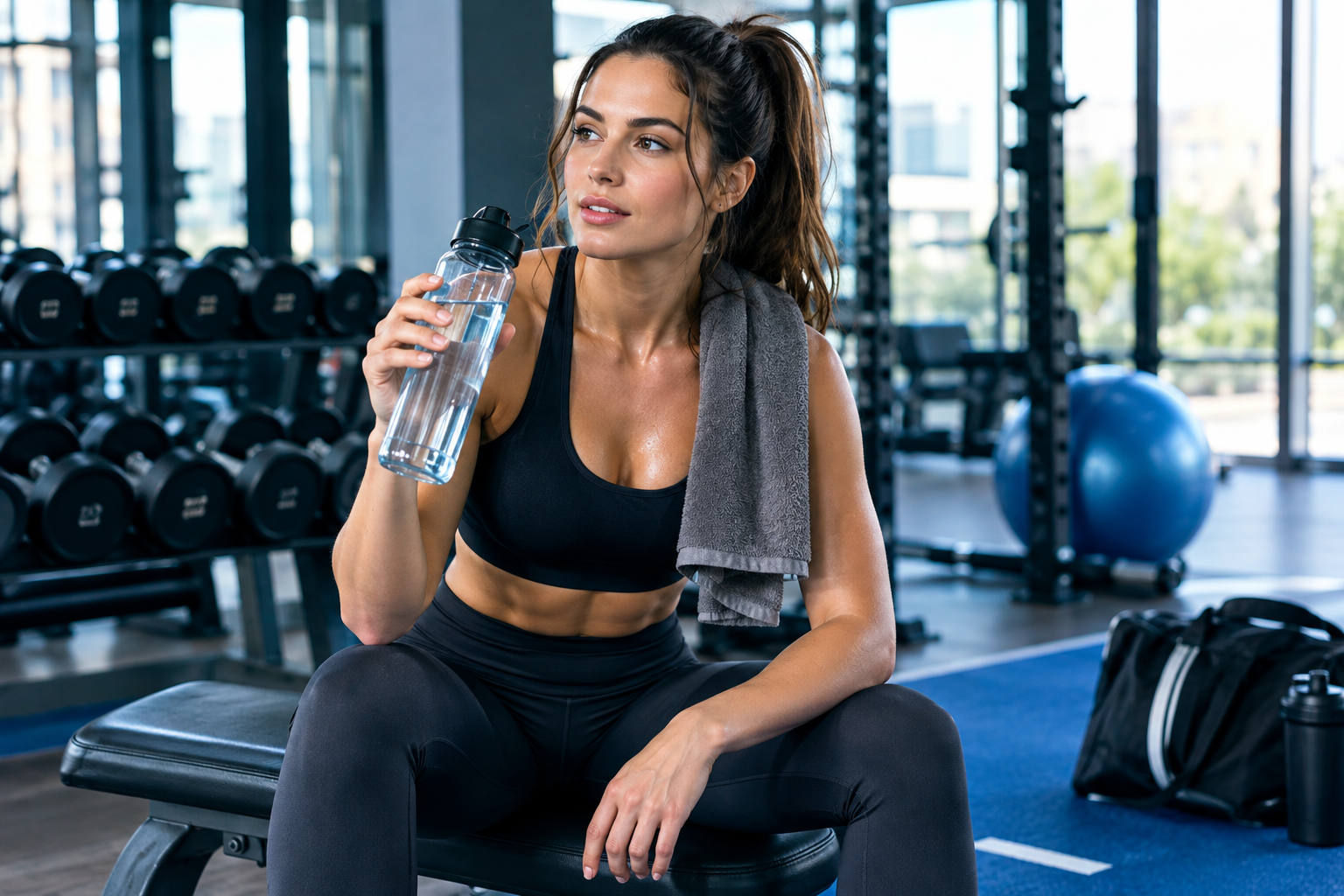
Cutting body fat while maintaining lean muscle requires more than reducing calories and increasing training. Hydration while cutting is another important part of a successful fitness strategy. Water supports many processes involved in exercise, recovery, digestion, temperature regulation, and overall performance.
When calories are lower and training volume is high, staying properly hydrated can help you feel and perform better throughout the day. However, there is no single water target that works perfectly for everyone. Your ideal fluid intake depends on factors such as body size, activity level, climate, diet, and how much you sweat.
Here is how to build a practical hydration strategy that supports your cutting goals without overcomplicating your routine.
Why Hydration Matters During a Cut
Water does not directly burn body fat, but adequate hydration can support the processes that make an effective cutting phase possible. Your body relies on water for circulation, nutrient transport, digestion, temperature regulation, and normal cellular function.
When you are dehydrated, workouts can feel more difficult and fatigue may become more noticeable. Even everyday activities can feel harder when fluid intake is inadequate.
This is particularly important during a calorie deficit. Cutting already requires discipline with nutrition and training, so adding unnecessary dehydration can make the process more uncomfortable.
A consistent approach to water consumption for fat loss is therefore less about trying to drink excessive amounts and more about avoiding dehydration while supporting your normal activity.
How Much Water Do Active People Need?
There is no universal number of glasses or liters that every active person should drink. Individual requirements can change significantly depending on body weight, exercise duration, sweat rate, temperature, and food intake.
Someone completing a short indoor workout in a cool environment may need considerably less fluid than someone performing a long outdoor training session in hot weather.
A useful approach is to start with your normal daily fluid needs and adjust according to activity and sweat losses. Pay attention to thirst, urine color, workout conditions, and how you feel during training.
Your fluid needs may also increase when you:
- Train for longer periods
- Sweat heavily
- Exercise outdoors in hot or humid conditions
- Consume a higher-protein or higher-fiber diet
- Perform multiple workouts in one day
- Spend extended periods in a warm environment
Instead of forcing a rigid amount of water, think of hydration as something you manage throughout the entire day.
Build Hydration Around Your Workouts
One of the easiest ways to improve fluid intake during dieting is to spread water consumption across your training schedule.
Start hydrating before exercise rather than waiting until you become very thirsty. Drinking fluids with meals and throughout the day can help you begin workouts in a better-hydrated state.
During exercise, your needs depend heavily on duration and sweat rate. For shorter sessions, regular water may be sufficient for many people. Longer or particularly sweaty workouts may require a more deliberate hydration strategy.
After training, continue replacing fluids gradually. If you have lost a significant amount of sweat, water alone may not always be the only consideration. Electrolytes such as sodium can also play an important role in maintaining fluid balance, particularly after prolonged or intense exercise.
The goal is not to drink as much as possible. The goal is to replace what your body actually needs.
Use Your Environment to Adjust Water Intake
Climate can dramatically change hydration requirements during a cutting phase.
Training in a hot environment can increase sweat production, while humidity may make it harder for sweat to evaporate efficiently. This can increase fluid losses during exercise.
If you train outdoors, consider increasing your fluid availability on hotter days. Carrying a water bottle can make it easier to drink consistently instead of realizing several hours later that you have barely consumed anything.
Your activity level matters too. A rest day may require less fluid than a demanding leg workout followed by cardio.
Rather than following the exact same hydration routine every day, adjust your intake based on your actual conditions.
Monitor Hydration Without Obsessing Over It
You do not need complicated calculations to monitor everyday hydration.
Thirst is one useful signal, although athletes involved in prolonged exercise may need to pay closer attention to planned fluid intake because thirst alone may not always keep pace with losses.
Urine color can also provide a practical general indication. Consistently very dark urine can be a sign that you need more fluids, while completely clear urine all day may indicate that you are drinking more than necessary.
Body weight can provide another useful tool for athletes who want to understand their sweat losses. Comparing body weight before and after a workout can help identify how much fluid you are losing during certain training conditions.
These methods are best viewed as practical indicators rather than exact measurements.
Don’t Forget Electrolytes and Food
Hydration is not simply about water. Your overall diet contributes to fluid and electrolyte intake as well.
Foods such as fruits, vegetables, yogurt, soups, and other water-rich foods can contribute to daily fluid intake. Sodium, potassium, and other electrolytes also participate in fluid balance and normal muscle function.
This becomes especially relevant for people who sweat heavily during training.
However, adding large amounts of electrolytes is not automatically better. Your needs depend on your diet, sweat losses, exercise duration, and environment. A balanced approach is usually more practical than relying on supplements unnecessarily.
If you are following a strict cutting diet, remember that hydration should complement your nutrition plan rather than replace proper meals.
Create a Simple Hydration Routine for Your Cut
The best hydration strategy is one you can follow consistently.
Start your day with fluids, drink regularly with meals, keep water accessible during work or training, and increase your intake when exercise or environmental conditions increase your losses.
A simple routine might look like this:
Morning: Drink fluids after waking and continue normally with breakfast.
Before training: Make sure you have been drinking consistently rather than trying to consume a large amount immediately before exercise.
During training: Sip according to workout duration, intensity, temperature, and sweat rate.
After training: Continue drinking and consider electrolytes when appropriate, especially after prolonged or heavy sweating.
Throughout the day: Use thirst, urine color, activity level, and environmental conditions to guide your intake.
Remember that hydration is only one part of successful fat loss. A sustainable calorie deficit, adequate protein, resistance training, sleep, and recovery remain fundamental to preserving muscle while reducing body fat.
Final Thoughts
Effective hydration while cutting does not mean constantly drinking huge quantities of water. It means providing your body with enough fluids to support training, recovery, temperature regulation, and normal daily function.
Your ideal water consumption for fat loss will depend on your individual circumstances, while appropriate fluid intake during dieting should change with exercise, sweating, climate, and nutrition.
Keep water available, hydrate consistently, monitor your body’s signals, and adjust your strategy as your training demands change. When combined with smart nutrition and a well-designed training plan, good hydration can make your cutting phase more comfortable, sustainable, and performance-friendly.


