Prefab building in the Philippines is becoming more popular as more people need homes in cities and rural areas. Many communities struggle to find affordable housing because building costs are high and projects take a long time. Prefabricated homes offer a solution by using faster production and easier assembly.
This method involves making building parts in factories and then bringing them to the site for installation. It helps reduce delays caused by bad weather and lack of materials. Because of this, builders can finish projects faster while keeping the quality of homes consistent.
What Is Prefab Building
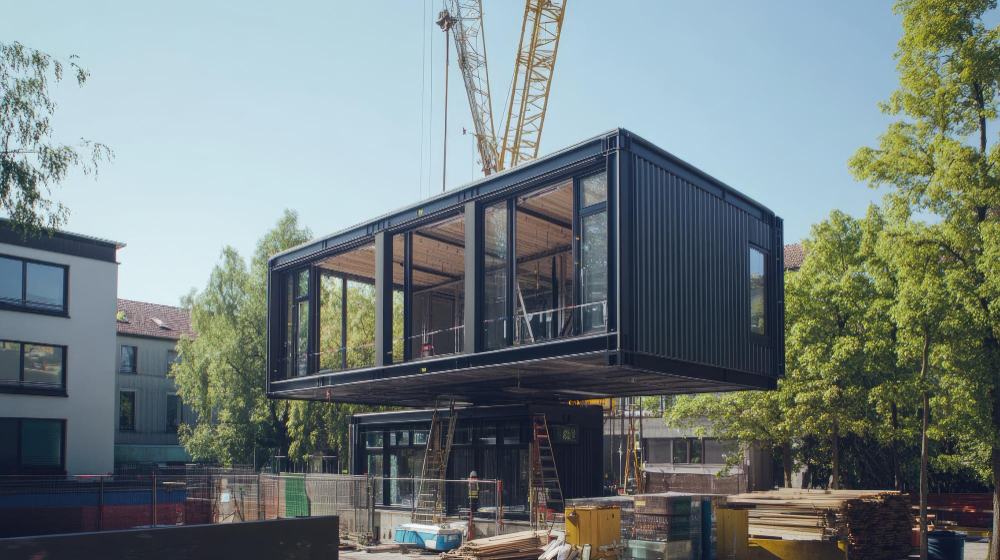
Prefab building is a type of construction where parts of a building are made in a factory and then put together at the site. These parts include walls, floors, roofs, and support frames. Each piece is made with exact measurements, which helps keep the structure even and reduces mistakes during assembly.
In the Philippines, this method is used for homes, temporary shelters, and office spaces. The process includes planning, factory production, delivery, and installation on-site. This organized approach makes the work faster and more efficient compared to traditional construction that relies more on manual labor.
Why Housing Needs Are Growing
The demand for housing keeps rising as the population grows and more people move to cities. Many people look for better job opportunities, which puts pressure on the current housing supply. This often leads to crowded communities and higher property prices.
Affordable housing is still a major concern, especially for middle-income and low-income families. Traditional construction methods often need large budgets and take more time to finish, which makes housing harder to access. Because of this, developers are now exploring other building methods that can provide homes at a lower cost.
Cost Efficiency
Prefab building in the Philippines is often linked to lower costs because it uses fewer workers and produces less waste. Factory production uses exact amounts of materials, which helps reduce extra use. This method helps keep expenses lower while keeping the quality of each project consistent.
Labor costs are also easier to manage since much of the work is done in factories. On-site assembly needs fewer workers compared to traditional construction. With fewer labor needs, total project costs become lower, which makes housing more affordable for more people.
Faster Construction Time
Time is a major factor in housing development, and prefab construction offers a faster timeline compared to traditional methods. Since components are prepared in advance, site preparation and production can happen at the same time. This parallel process shortens the overall project duration.
In many cases, housing units can be completed in weeks instead of several months. This speed is beneficial for large-scale housing projects that need to meet urgent demand. Faster completion also helps developers reduce holding costs and deliver properties to buyers within a shorter period.
Consistent Quality
Prefab construction provides consistent quality due to controlled manufacturing conditions. Factories follow standardized procedures, which help maintain uniform results across multiple units. This setup reduces the risk of defects that may occur in outdoor construction environments affected by weather and site limitations.
Each component undergoes inspection before it is transported to the construction site. This step helps identify issues early and prevents delays during installation. The result is a more reliable structure that meets safety and performance standards expected in residential developments.
Flexible Design Options
Modern prefab systems offer flexible design options that can match different housing needs. Developers can create layouts for single-family homes, multi-unit dwellings, and modular housing communities. These designs can be adjusted based on space availability and local building requirements.
Prefab building in the Philippines also supports future expansion. Homeowners can add extra modules when needed, which makes the structure adaptable over time. This flexibility is useful for growing families or communities that expect population changes in the coming years.
Environmental Impact
Construction activities often produce waste and consume large amounts of resources. Prefab construction helps reduce environmental impact by limiting material waste during production. Factory processes use precise measurements, which lowers leftover materials compared to traditional site-based construction.
Energy use can also be managed more efficiently in controlled environments. Some prefab systems include energy-efficient designs that support better insulation and ventilation. These features contribute to more sustainable housing options that align with environmental goals in urban development.
Application In Affordable Housing
Prefab building in the Philippines has been used in various affordable housing projects across the country. Government programs and private developers have explored this method to provide housing units at a lower cost. These projects often focus on delivering practical homes that meet basic living standards.
The method supports large-scale housing developments where multiple units need to be built within a limited timeframe. Its efficiency helps address housing shortages in densely populated areas. By reducing construction time and cost, prefab solutions offer a practical response to housing challenges.
Challenges And Limitations
Despite its advantages, prefab construction also has certain limitations. Transportation of large components can be difficult, especially in areas with limited road access. This factor may increase logistics costs and affect project planning in remote locations.
There are also regulatory requirements that must be followed for building approval. Some areas may have limited familiarity with prefab systems, which can slow down adoption. Addressing these challenges requires proper planning, coordination, and awareness of local construction standards.
Future Outlook
The future of prefab building in the Philippines shows steady growth as more developers explore alternative construction methods. Advancements in technology continue to improve design flexibility and production efficiency. These improvements make prefab systems more suitable for different types of housing projects.
As housing demand continues to increase, prefab construction may become a common approach in residential development. Its ability to deliver faster and cost-effective housing solutions supports long-term urban planning goals. Continued adoption may help address housing shortages while maintaining construction quality.
Key Takeaway
Prefab building in the Philippines presents a practical approach to affordable housing through faster construction, controlled costs, and consistent quality. Its structured process supports large-scale housing development while reducing delays and material waste.
With growing demand for accessible housing, this method offers a reliable option for developers and communities. Prefab building in the Philippines continues to evolve as a solution that aligns with modern construction needs and long-term housing development plans.