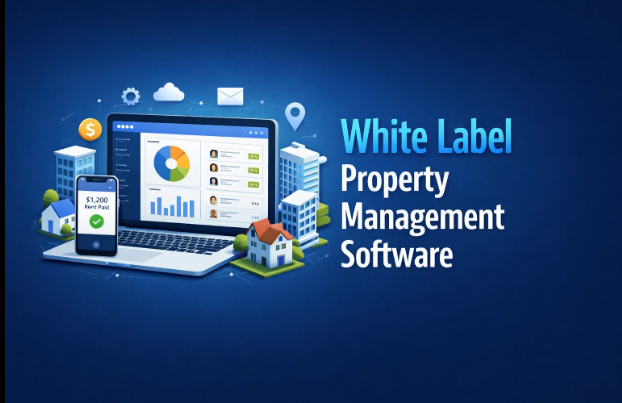
The world of property management is evolving, with technology playing an increasingly pivotal role in streamlining operations and enhancing customer interactions. One of the most powerful tools that has emerged in recent years is white label Property Management Software. By leveraging this innovative technology, property managers, real estate businesses, and landlords are not only optimizing internal workflows but also significantly elevating the customer experience.
The customer experience is at the core of every successful business, and when it comes to property management, it’s no different. Today’s tenants and property owners expect more personalized, efficient, and tech-savvy solutions. This blog delves into how white label Property Management Software is reshaping customer interactions and boosting retention in the competitive real estate market.
What is White Label Property Management Software?
Before we explore how white label Property Management Software enhances customer experience, it’s essential to understand what it is. White label solutions are essentially customizable software solutions that can be branded as your own. For property management companies, this means that instead of building software from scratch, they can take advantage of pre-built, feature-rich platforms developed by an app development company. These solutions can be personalized with the company’s own branding, logo, colors, and even specific functionalities tailored to their needs.
A white label real estate app is a prime example of this technology. Property management companies can offer tenants, property owners, and vendors access to a streamlined and branded interface, improving the experience for all parties involved.
Enhancing Communication with Tenants
In any property management system, communication is key. Tenants want quick, effective, and transparent communication channels with their property managers, while property managers want to ensure they stay informed about their properties’ status. White label Property Management Software allows businesses to enhance these communication lines by integrating a variety of tools that make information sharing easier.
With these systems, property managers can send out automated updates about maintenance, rent reminders, or community news directly to tenants’ phones or emails. Additionally, tenants can easily submit maintenance requests, ask questions, or make inquiries, all through the branded app or platform. This ensures timely responses, reduces misunderstandings, and boosts overall satisfaction. By maintaining clear and consistent communication, property managers create a more engaged and satisfied tenant base, directly contributing to better retention rates.
Streamlining Payment and Financial Processes
One of the most tedious aspects of property management is handling payments and financial transactions. Tenants expect easy and secure ways to pay rent, while property managers need an efficient system to track payments, manage late fees, and ensure financial transparency. White label Property Management Software offers a seamless way to handle these financial aspects.
Customizable features within the platform allow property managers to set up automated rent collection, reminders, and late payment notices. Tenants can pay their rent through various payment gateways, using their preferred method of payment—whether through credit card, ACH, or digital wallets. Furthermore, these systems often offer financial reporting tools that help property managers track expenses, income, and prepare for tax season without hassle.
By offering convenient, secure, and transparent payment systems, white label Property Management Software elevates the customer experience by removing the stress of financial transactions and improving trust between tenants and property managers.
Simplifying Maintenance and Service Requests
Property maintenance is a key aspect of tenant satisfaction. A quick response to repair issues can make a world of difference in retaining tenants, while delays can lead to dissatisfaction and even lease terminations. Traditionally, managing maintenance requests involved phone calls, emails, and manual tracking, which can be time-consuming and prone to errors.
With white label Property Management Software, tenants can submit maintenance requests directly through the app or website, complete with details such as issue description, photos, and preferred timing for repairs. This instant submission allows property managers to address issues more efficiently, assign tasks to service teams, and track the status of requests in real-time. For property managers, this simplifies the process, ensuring that no request goes unnoticed and that tenants feel their concerns are being addressed promptly.
By offering a seamless and responsive maintenance request process, property managers are not only improving tenant satisfaction but also increasing their chances of retaining tenants long-term.
Providing Tenants with Self-Service Options
Today’s tenants are increasingly looking for self-service solutions that empower them to manage their own property-related needs without relying on property managers for every interaction. White label Property Management Software offers self-service portals, where tenants can handle a variety of tasks, such as paying rent, submitting maintenance requests, renewing leases, and updating personal information—all without needing to contact the property manager directly.
This self-service model adds significant convenience for tenants, who can access their accounts and perform tasks on their own schedule, rather than being constrained by office hours. For property managers, it reduces the number of routine inquiries and requests, allowing them to focus on more critical tasks while offering a better experience to tenants. The ability for tenants to handle most of their interactions with minimal friction also promotes a sense of autonomy and satisfaction, which plays a significant role in tenant retention.
Personalizing the Experience
Personalization is a crucial aspect of any customer experience strategy. When it comes to property management, offering personalized services can be the difference between a satisfied tenant and a dissatisfied one. With white label Property Management Software, businesses can create a more tailored experience for their tenants by utilizing data-driven insights and customization features.
For example, property managers can offer tenants personalized reminders based on their specific rent payment cycles, maintenance needs, or lease renewal dates. They can also send tailored notifications about nearby events, promotions, or community updates that may be of interest to individual tenants. Through these personalized interactions, property managers demonstrate attentiveness to tenant needs, which fosters loyalty and increases the likelihood of tenants renewing their leases.
Moreover, white label real estate apps enable property managers to segment tenants based on various criteria, allowing for more targeted communications that resonate with tenants on a personal level. This level of personalization is essential for boosting engagement and retention in today’s competitive property management landscape.
Gaining Insights into Tenant Preferences and Behavior
Effective tenant retention strategies are based on understanding tenant needs, behaviors, and preferences. White label Property Management Software provides property managers with powerful data analytics tools that can gather and analyze tenant interactions with the platform, such as payment history, maintenance requests, and communication preferences. By leveraging this data, property managers can identify patterns and tailor their services to better meet the needs of their tenants.
For instance, if a property manager notices that certain maintenance requests are frequent, they may choose to invest in preventive measures or address specific issues proactively. Similarly, by understanding payment behaviors, they can offer customized solutions for tenants who may struggle with late payments. Data insights help property managers to stay one step ahead and create a more efficient and tenant-centric experience, ultimately boosting retention.
Building Trust and Credibility
Trust is a cornerstone of tenant retention. Tenants want to know that their property managers are reliable, transparent, and responsive. By using white label Property Management Software, property managers can increase transparency and build trust with their tenants in various ways.
For example, real-time updates about maintenance requests, rent payments, and lease renewals help tenants feel informed and confident in the process. Automated messages and notifications also demonstrate professionalism, ensuring tenants are never left wondering about the status of their requests. By offering a consistent, high-quality experience through a branded, reliable platform, property managers are able to cultivate an environment of trust and credibility, which ultimately strengthens tenant loyalty.
Conclusion
The property management, offering an exceptional customer experience is no longer optional—it’s a necessity. White label Property Management Software offers property managers the tools they need to streamline operations, enhance communication, and provide tenants with a seamless, personalized experience. From simplifying payment processes to offering self-service portals and improving communication, this technology is a game-changer in creating satisfied tenants who are more likely to renew their leases and recommend properties to others.
The ability to customize the platform with a company’s own branding and offer a tailored, user-friendly experience also sets property managers apart in a competitive market. As businesses continue to prioritize customer experience and retention, investing in white label Property Management Software is an effective strategy that provides long-term benefits for both property managers and tenants alike.
By embracing these technological advancements, property managers are not only improving operational efficiency but also fostering stronger relationships with tenants, which is the ultimate key to success in property management.