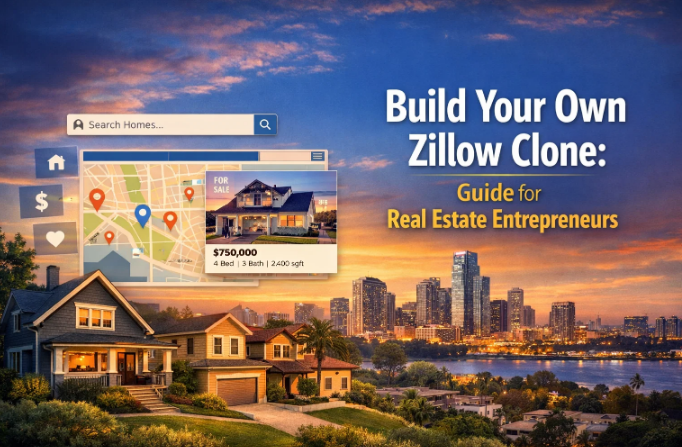
The real estate industry is evolving at a rapid pace, and to stay ahead, you need to leverage the power of technology. With millions of homebuyers, renters, and investors searching for properties online, platforms like Zillow have become household names. However, rather than competing with such giants, many real estate entrepreneurs are choosing to build their own Zillow clone—a custom platform that offers similar features but with their unique branding and specialized services.
In this comprehensive guide, we will walk you through the steps of building your own Zillow clone. This process will include everything from understanding the core features to choosing the right development approach, and selecting a reliable app development company to bring your vision to life.
Understanding What a Zillow Clone Is
A Zillow clone is a ready-made, customizable platform that mimics the key features of Zillow. It provides users with a seamless real estate experience by offering property listings, search filters, and even tools for mortgage calculations. Unlike Zillow, however, a Zillow clone allows you to add your unique touch, branding, and specialized features tailored to your business model.
These clones typically come in two flavors: as a white label real estate app or as a fully customizable web solution. The advantage of a white label real estate app is that it is ready to be branded with your logo and name, making it ideal for entrepreneurs looking for a quicker deployment without compromising on user experience.
Key Features to Include in Your Zillow Clone
When developing a Zillow clone, the features you choose to incorporate will define the quality and success of your platform. Here are some essential features you should consider:
1. Property Listings and Filters
The core of any real estate platform is the ability to search, list, and filter properties based on various criteria. Your Zillow clone app should allow users to search for homes based on location, price range, number of bedrooms, square footage, and more. You can also include additional filters such as amenities, school districts, and walkability scores.
2. Property Details
A detailed property page is crucial. Include high-quality images, virtual tours, floor plans, and in-depth descriptions. Information about the neighborhood, nearby schools, and amenities should be readily available to provide users with all the necessary information they need to make informed decisions.
3. User Registration and Profiles
Allow users to create profiles to save their favorite properties, set up email alerts, and track their search history. Having a registered profile also enables personalized recommendations, which can improve user engagement and satisfaction.
4. Integration with MLS (Multiple Listing Service)
For real estate businesses that want to ensure their listings are up-to-date, integrating your Zillow clone with MLS can be highly beneficial. MLS integration ensures your platform is always in sync with the most current property listings and sales data.
5. Mortgage Calculator and Affordability Tools
Adding tools such as a mortgage calculator or a home affordability estimator is crucial. It can help users determine whether a property fits their budget and give them a clearer understanding of monthly payments, down payments, and interest rates.
6. Communication Tools
A Zillow clone should enable communication between property owners, agents, and potential buyers or renters. This can include in-app messaging, direct contact forms, and even video call integrations to facilitate real-time communication.
7. Review and Rating System
Allow users to leave reviews and ratings for agents, properties, and neighborhoods. This feature builds trust and encourages transparency, which is essential for attracting a loyal customer base.
8. Admin Panel for Property Management
In addition to the user-facing features, the admin panel is a critical component of your Zillow clone. This backend interface should allow admins to manage user accounts, listings, payments, and other aspects of the platform. If you’re considering creating a whitelabel real estate app, ensure your admin panel is intuitive and easy to navigate.
Why a Zillow Clone Makes Sense for Real Estate Entrepreneurs
As a real estate entrepreneur, building your own platform can help you differentiate yourself from the competition and deliver a more personalized experience for your customers. Here are a few reasons why a Zillow clone might be a smart move for your business:
1. Branding and Customization
By choosing a Zillow clone, you’re in control of the platform’s design and user experience. You can customize every aspect—from the color scheme and logo to the features and functionality. This is a key advantage over using generic third-party platforms that don’t allow for much flexibility.
2. Monetization Opportunities
A Zillow clone app offers various monetization strategies. You can generate revenue through listing fees, premium accounts for real estate agents, advertising space, and subscription models. If your platform attracts enough traffic, these revenue streams can be lucrative.
3. Scalability
A Zillow clone is built with scalability in mind. Whether you’re starting with a small local market or expanding globally, you can add more features and listings as your business grows. Most whitelabel real estate apps are designed to handle increasing traffic and property listings without compromising on performance.
4. Data and Analytics
When you own your platform, you have full access to all the data and analytics. You can track user behavior, property views, and other important metrics to optimize the user experience. This data also gives you valuable insights into which areas are most popular, what types of properties people are looking for, and where to focus your marketing efforts.
Choosing the Right App Development Company
Developing a high-quality Zillow clone requires technical expertise and experience in real estate platforms. When selecting an app development company, consider the following:
1. Portfolio and Experience
Look for a development team with a proven track record in building real estate platforms. They should be familiar with the latest technologies and trends in the industry, including mobile-first designs, advanced search algorithms, and integration with real estate data sources like MLS.
2. Customization and Support
Ensure the development company can offer the level of customization you need. The platform should not only look good but function exactly as you envision. Additionally, post-launch support is crucial to address any issues that may arise once your Zillow clone is live.
3. Security and Compliance
Security is a top priority, especially when handling sensitive data such as user profiles, financial details, and property information. Choose a development company that follows best practices in security, data encryption, and compliance with regulations such as GDPR or CCPA.
White Label vs. Custom Zillow Clone: Which Is Right for You?
One key decision you’ll need to make is whether to go for a whitelabel real estate app or develop a completely custom solution. Both options have their pros and cons.
White Label Real Estate App
A white label real estate app is a pre-built solution that can be easily branded with your logo and colors. It is cost-effective and offers a faster launch time compared to custom development. However, it may come with limitations in terms of customization and scalability.
Custom Zillow Clone
A fully custom Zillow clone gives you complete control over the design, features, and functionality of your platform. It is more expensive and takes longer to develop but offers the flexibility to create a truly unique platform that suits your business needs.
If you’re on a tight budget and timeline, a whitelabel real estate app might be the better option. But if you’re aiming for a fully unique product with a competitive edge, a custom Zillow clone might be worth the investment.
The Role of Property Management Software in Your Zillow Clone
If your business model includes managing properties, tenants, or agents, integrating property management software into your Zillow clone can enhance the platform’s functionality. These tools can automate processes such as rent collection, maintenance requests, and lease renewals.
For example, a feature like automated rent payments or maintenance tracking can improve the overall user experience and streamline day-to-day operations for property managers. With the integration of property management software, your Zillow clone can become a one-stop solution for all things real estate.
Final Thoughts
Building a Zillow clone for your real estate business is a powerful way to offer an intuitive, branded platform that resonates with users. By including key features, choosing the right app development company, and understanding the advantages of both white-label and custom solutions, you’ll be on your way to creating a successful real estate platform that stands out in a competitive market.
Whether you choose a Zillow clone, a whitelabel real estate app, or a custom-built solution, the key to success lies in delivering value, transparency, and a seamless user experience. With the right features and a solid tech foundation, you can transform your real estate business into a digital powerhouse.