
Introduction
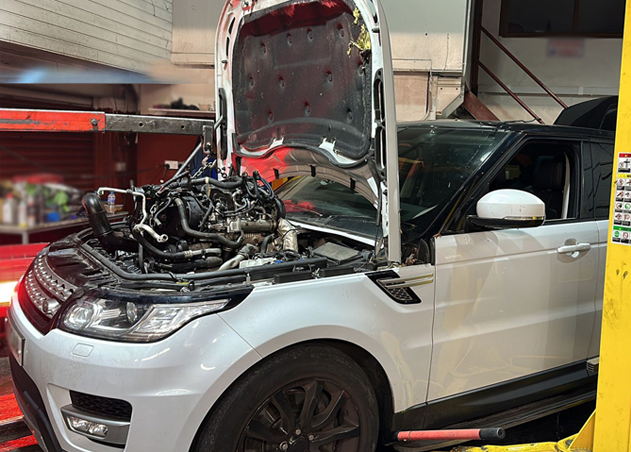
The engine is the heart of every vehicle, and in luxury SUVs, it plays an even more important role. Range Rover engines are designed to deliver a perfect combination of power, efficiency, and reliability. Known for their advanced engineering and smooth performance, these engines allow Range Rover vehicles to perform well both on highways and off-road terrain. Developed with modern technology and high-quality materials, Range Rover engines offer drivers a premium driving experience while maintaining strong durability.
History of Range Rover Engines
Range Rover vehicles have a long history that dates back to 1970 when the first model was introduced by Land Rover. Early Range Rover models used V8 engines that were known for their strength and simplicity. These engines were designed to provide strong torque, which helped the vehicle perform well in rough off-road conditions.
Over time, the company continued to improve engine technology. Diesel engines were introduced to provide better fuel economy and higher torque for heavy-duty use. In recent years, hybrid and mild-hybrid engines have also become part of the Range Rover lineup. These advancements show how the brand has adapted to modern environmental standards while still maintaining strong performance.
Types of Range Rover Engines
Range Rover vehicles are available with several types of engines. Each engine is designed to meet different performance needs and driving styles.
Petrol Engines
Petrol engines are known for their smooth and quiet operation. Range Rover petrol engines often feature turbochargers or superchargers that increase power output. These engines are ideal for drivers who want quick acceleration and a refined driving experience.
Diesel Engines
Diesel engines are popular among drivers who prefer higher fuel efficiency and strong torque. Range Rover diesel engines perform especially well during long-distance driving and towing. Their high torque output also makes them suitable for off-road driving where additional pulling power is required.
Hybrid Engines
Hybrid technology has become increasingly important in modern vehicles. Range Rover hybrid engines combine a traditional internal combustion engine with an electric motor. This system improves fuel efficiency and reduces emissions while still delivering strong performance. Hybrid models also allow short-distance electric driving, which helps reduce fuel consumption in city traffic.
Plug-in Hybrid Engines
Plug-in hybrid engines represent a more advanced form of hybrid technology. These engines include a larger battery that can be charged using external power sources. Drivers can travel a significant distance using only electric power before the petrol engine activates. This technology helps reduce environmental impact while maintaining the capability expected from a luxury SUV.
Key Technologies in Range Rover Engines
Range Rover engines include many modern technologies that improve performance, efficiency, and reliability.
Turbocharging and Supercharging
Many Range Rover engines use turbochargers or superchargers to increase power. These systems force more air into the engine’s combustion chamber, which allows more fuel to burn and generate greater power. The result is stronger acceleration without significantly increasing engine size.
Mild Hybrid Technology
Some modern Range Rover engines use mild hybrid systems. These systems include a small electric motor that assists the engine during acceleration and stores energy during braking. This technology helps improve fuel efficiency and reduces emissions.
Intelligent Engine Management
Range Rover engines use advanced electronic control systems that monitor engine performance in real time. These systems adjust fuel injection, air intake, and ignition timing to ensure the engine runs smoothly and efficiently under different driving conditions.
Performance and Power
Range Rover engines are designed to provide impressive performance while maintaining comfort and control. Depending on the model, engine power can range from around 250 horsepower to more than 500 horsepower in high-performance versions.
These engines deliver strong torque, which is important for both towing and off-road driving. With advanced transmission systems and intelligent four-wheel drive technology, Range Rover vehicles can climb steep hills, cross rough terrain, and drive smoothly on highways.
Acceleration is another strong point. Many Range Rover models can reach 0 to 60 miles per hour in just a few seconds. Despite their large size and weight, these vehicles offer quick response and confident performance.
Fuel Efficiency and Environmental Considerations
Fuel efficiency has become a major focus in modern automotive engineering. Range Rover engines now include several technologies that help reduce fuel consumption. Turbocharging, hybrid systems, and improved engine management all contribute to better efficiency.
Hybrid and plug-in hybrid engines also help reduce carbon emissions. By combining electric power with traditional engines, these systems provide cleaner driving options without sacrificing performance.
Manufacturers are also working on improving engine materials and internal components to reduce friction and improve efficiency. These changes help engines operate more smoothly while using less fuel.
Reliability and Durability
Range Rover engines are built to handle demanding conditions. Whether driving on highways or challenging off-road trails, these engines are designed to provide consistent performance.
High-quality materials such as aluminum engine blocks and advanced cooling systems help maintain durability. Regular maintenance, including oil changes and proper servicing, ensures that the engine continues to perform efficiently over many years.
Modern diagnostic systems also allow technicians to quickly identify potential issues, helping prevent major problems and keeping the vehicle running smoothly.
Maintenance and Care
Proper maintenance is essential for keeping a Range Rover engine in good condition. Regular oil changes, air filter replacements, and coolant checks help maintain engine performance.
Using high-quality fuel and lubricants is also important. These products protect engine components and help maintain smooth operation. Drivers should also follow the manufacturer’s recommended service schedule to ensure long-term reliability.
In addition, modern Range Rover vehicles include onboard diagnostic systems that alert drivers when maintenance is required. This helps prevent damage and ensures the engine continues to operate efficiently.
The Future of Range Rover Engines
The future of Range Rover engines is moving toward greater efficiency and sustainability. Automotive manufacturers are investing heavily in electric and hybrid technologies. Future Range Rover models are expected to include more advanced hybrid systems and fully electric powertrains.
These innovations will allow the brand to maintain its reputation for luxury and performance while meeting global environmental standards. As technology continues to evolve, Range Rover engines will likely become more powerful, efficient, and environmentally friendly.
Conclusion
Range Rover engines represent a perfect blend of power, innovation, and luxury. From traditional V8 engines to modern hybrid systems, the brand has continuously improved its technology to meet the demands of modern drivers. These engines provide strong performance, impressive off-road capability, and increasing levels of fuel efficiency.
For more information.
