Introduction
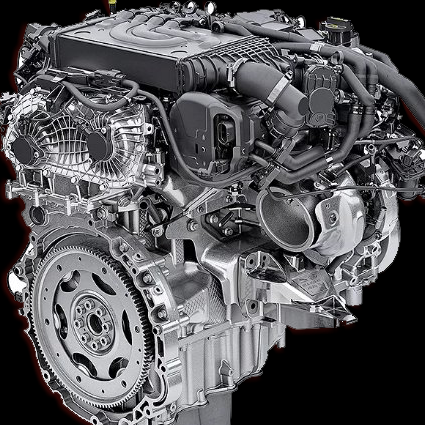
Engines are the heart of any vehicle or mechanical system. Whether used in cars, trucks, industrial machines, or power generators, engines convert fuel into energy that powers movement and operations. However, engines often face challenges such as overheating, reduced efficiency, mechanical wear, and environmental concerns. To overcome these challenges, engineers and manufacturers have developed various engine solutions that improve performance, extend lifespan, and reduce environmental impact. This article explores modern engine solutions, including maintenance strategies, technological innovations, efficiency improvements, and sustainable developments.
Understanding Engine Problems
Before discussing solutions, it is important to understand common engine problems. Engines operate under high pressure and temperature, which makes them vulnerable to wear and tear over time. Some of the most common issues include overheating, poor fuel efficiency, oil leaks, engine knocking, and reduced power output.
Overheating usually occurs when the cooling system fails or when coolant levels drop below the required limit. Poor fuel efficiency may result from clogged fuel injectors, dirty air filters, or improper engine tuning. Oil leaks can damage engine components and reduce lubrication, which may lead to serious mechanical failure. Engine knocking, often caused by improper fuel combustion, can damage internal components if ignored.
Identifying these problems early is crucial because it allows technicians to apply the right engine solutions before the damage becomes severe.
Preventive Maintenance as an Engine Solution
One of the most effective engine solutions is preventive maintenance. Regular servicing ensures that engine components remain in good working condition and helps detect small issues before they turn into costly repairs.
Oil changes are among the most essential maintenance practices. Engine oil lubricates moving parts, reduces friction, and prevents overheating. Over time, oil becomes contaminated with dirt and metal particles, which reduces its effectiveness. Replacing engine oil at recommended intervals helps maintain engine health.
Another important aspect is air filter replacement. Clean air filters allow sufficient airflow into the engine, improving fuel combustion and efficiency. Dirty filters restrict airflow and reduce performance.
Regular inspection of spark plugs, fuel injectors, belts, and hoses also plays a critical role in preventive maintenance. These components directly affect engine performance and reliability.
Advanced Engine Technologies
Modern vehicles use advanced engine technologies to address common performance challenges. These technologies are designed to improve power output, reduce fuel consumption, and lower emissions.
One of the most widely used technologies is turbocharging. A turbocharger forces more air into the engine’s combustion chamber, allowing more fuel to burn efficiently. This process increases power without significantly increasing engine size.
Another innovative solution is direct fuel injection. In this system, fuel is injected directly into the combustion chamber instead of the intake manifold. This results in more precise fuel delivery, better combustion, and improved fuel efficiency.
Variable valve timing is another technology that adjusts the timing of engine valves based on driving conditions. This improves engine efficiency and performance while reducing fuel consumption.
These advanced technologies demonstrate how modern engineering has transformed engines into highly efficient and powerful systems.
Engine Cooling Solutions
Cooling systems play a crucial role in maintaining engine temperature. Without proper cooling, engines can overheat and suffer severe damage.
Radiators are the main component of the cooling system. They dissipate heat from the coolant as it circulates through the engine. Coolant absorbs heat from the engine and carries it to the radiator, where it is released into the air.
Electric cooling fans also help regulate engine temperature by increasing airflow through the radiator when necessary. Thermostats control coolant flow and ensure the engine operates within the optimal temperature range.
Regular maintenance of the cooling system, including coolant replacement and radiator inspection, ensures the engine remains protected from overheating.
Improving Fuel Efficiency
Fuel efficiency has become one of the most important concerns for vehicle owners and manufacturers. Rising fuel prices and environmental concerns have encouraged the development of engine solutions that reduce fuel consumption.
One effective solution is engine tuning, which adjusts engine parameters to achieve optimal performance. Proper tuning ensures that fuel and air mix correctly during combustion.
Lightweight engine components are another solution. Using materials such as aluminum instead of heavier metals reduces engine weight and improves fuel efficiency.
Hybrid technology also contributes to fuel savings. Hybrid engines combine a traditional internal combustion engine with an electric motor. This allows vehicles to use electric power at low speeds and switch to fuel power when needed, reducing overall fuel consumption.
Reducing Engine Emissions
Environmental regulations have pushed manufacturers to develop cleaner engine solutions. Engines produce harmful emissions such as carbon monoxide, nitrogen oxides, and hydrocarbons. These pollutants contribute to air pollution and climate change.
Catalytic converters are widely used to reduce harmful emissions. They convert toxic gases into less harmful substances before releasing them into the atmosphere.
Exhaust gas recirculation systems are another solution. They redirect a portion of exhaust gases back into the combustion chamber, reducing nitrogen oxide emissions.
Many modern engines also use advanced sensors and electronic control units to monitor combustion and adjust fuel delivery. This ensures that engines operate efficiently while producing fewer emissions.
Engine Diagnostics and Smart Monitoring
Technology has significantly improved the way engines are monitored and diagnosed. Modern vehicles are equipped with onboard diagnostic systems that continuously monitor engine performance.
These systems detect faults and display warning messages when problems occur. Technicians can connect diagnostic tools to identify specific issues within seconds. This reduces repair time and helps prevent further damage.
Smart sensors also monitor engine temperature, oil pressure, fuel levels, and air intake. By collecting real-time data, these sensors allow drivers and technicians to respond quickly to potential problems.
The use of digital diagnostics represents a major advancement in engine solutions, making maintenance faster and more accurate.
The Future of Engine Solutions
The future of engine technology is focused on sustainability and efficiency. Researchers and engineers are working on new solutions that reduce environmental impact while maintaining performance.
Electric engines are gaining popularity as they produce zero tailpipe emissions. Many manufacturers are investing heavily in electric vehicle technology to replace traditional combustion engines.
Hydrogen-powered engines are another promising solution. Hydrogen fuel cells generate electricity through a chemical reaction between hydrogen and oxygen, producing only water as a byproduct.
Additionally, artificial intelligence and advanced software are expected to play a larger role in engine management. AI systems can analyze engine data and optimize performance automatically.
These innovations indicate that the evolution of engine solutions will continue to transform the automotive and industrial sectors.
Conclusion
Engine solutions are essential for maintaining performance, improving efficiency, and reducing environmental impact. From preventive maintenance and advanced technologies to cooling systems and emission control, various strategies help engines operate effectively.
Modern engines have become more efficient and reliable due to innovations such as turbocharging, direct fuel injection, and digital diagnostics. At the same time, the development of hybrid, electric, and hydrogen technologies is shaping the future of engine solutions.
For more information.